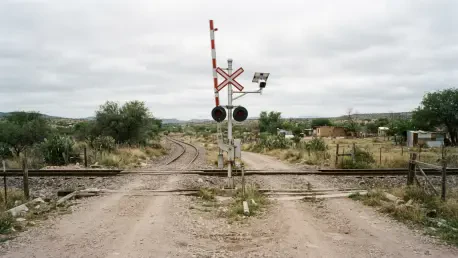

Integrating intelligent cameras and automated signaling systems into Mexico’s rail network creates a complex landscape of cyber vulnerabilities. As the nation accelerates its transition from traditional mechanical operations to sophisticated digital frameworks, the primary objective remains the enhancement of safety and operational oversight across thousands of miles of track. Central to this massive technological shift is the adoption of “smart” technologies, particularly at level crossings—the critical points where rail traffic intersects with vehicular and pedestrian pathways. This digitalization journey is not without its perils, as the deployment of Internet of Things (IoT) devices introduces new entry points for potential exploitation. Operators now face a dual challenge: leveraging the undeniable benefits of artificial intelligence for real-time monitoring while simultaneously implementing rigorous security protocols to protect critical infrastructure from increasingly sophisticated digital threats.
Bridging the Gap Between Innovation and Infrastructure Protection
Navigating the Risks: Network Interconnectivity and Vulnerability
The primary concern for digital engineering executives in the current landscape of 2026 is the expanding attack surface created by connecting edge devices, such as high-definition smart cameras, directly to core signaling and control platforms. When an intelligent camera is integrated into a network that regulates train movements, it ceases to be a peripheral monitoring tool and becomes a critical component of the signaling chain. Mexican railways often operate using a complex blend of legacy analog systems and cutting-edge digital integrations, which frequently results in networks that lack adequate logical segmentation. This architectural oversight is dangerous because if a peripheral device with lower inherent security is compromised, an attacker could potentially move laterally through the internal network to interfere with primary train controls. Effective isolation between surveillance data and operational command systems is no longer optional but a baseline requirement for safety.
Managing External Risks: Supply Chain and Vendor Governance
Reliance on a globalized network of external suppliers introduces significant supply chain risks where every software update or third-party maintenance connection serves as a potential entry point for malicious actors. The scope of these risks is vast, encompassing everything from unauthorized access to sensitive camera feeds to the remote alteration of hardware configurations. Furthermore, the potential for Distributed Denial of Service (DDoS) attacks poses a physical threat, as such maneuvers could effectively blind operators during critical switching operations or high-speed maneuvers. To mitigate these evolving threats, Mexican railway executives are moving beyond simple procurement toward a framework of strict digital governance. This includes implementing mandatory security audits for all hardware vendors and requiring long-term support for security patches throughout the lifecycle of the equipment. Ensuring digital resilience requires constant vigilance and accountability from every partner.
Data Integrity: Ensuring Regulatory Compliance and System Truth
Information Integrity: Combatting Manipulation and Alarm Fatigue
A nuanced and growing threat in the digitalization of Mexican railways involves the manipulation of data integrity, where compromised AI-enabled cameras may fail to report genuine obstructions or generate “false positives.” This type of interference is particularly insidious because repeated false alerts lead to “alarm fatigue,” a psychological state where human operators begin to override safety protocols or ignore genuine threats due to a perceived lack of system reliability. To counter this, international precedents established between 2026 and 2028 advocate for a robust multi-sensor approach. By combining standard visual cameras with thermal imaging and LIDAR, operators can verify environmental data through multiple, independent channels. From a cybersecurity perspective, this hardware redundancy acts as a vital safeguard, as a successful cyberattack would need to simultaneously compromise several disparate sensor technologies to present a convincingly false narrative to the central control center.
Standards and Design: Implementing Security at the Architectural Level
In Mexico, the regulatory landscape is currently anchored by NOM-050-SCT2-2017, which dictates the strict requirements for railway crossing signaling and ensures that warning systems enter “fail-safe” modes during technical malfunctions. While this standard provides a solid foundation for physical operational safety, modern engineering teams must adopt a “Security by Design” philosophy that integrates cybersecurity into the very first architectural phase of any project. Large-scale investments, such as the Mexico City-Queretaro-Irapuato corridor project, serve as the ultimate testing grounds for whether high-speed digitalization can successfully coexist with national security requirements. These initiatives require rigorous vulnerability testing and ironclad supplier contracts that treat digital uptime with the same urgency as physical track integrity. By embedding security into the blueprint rather than treating it as an afterthought, the industry can proactively address vulnerabilities before they are exploited.
Future Resilience: Establishing Strategic Frameworks for Long-Term Security
Strategic Infrastructure: Strengthening Network Isolation and Data Authentication
To ensure that Mexico’s railway modernization achieves its long-term safety goals, operators must prioritize the implementation of advanced network segmentation strategies. This involves ensuring that surveillance and diagnostic data are transmitted over communication lines that are both logically and physically separated from the critical train control systems that manage speed and braking. Furthermore, modern digital frameworks must incorporate sophisticated cryptographic controls to ensure that data sent from sensors to control centers remains authentic and has not been tampered with while in transit. These technical safeguards are essential for maintaining the integrity of the operational environment, preventing unauthorized actors from injecting malicious commands or spoofing sensor readings. By establishing these secure communication tunnels, the rail industry can protect its traffic management systems and maintain public trust in automated transport.
Operational Safety: Upholding Resilience in the Digital Realm
The industry is shifting its focus toward a culture where digital protection is treated with the same gravity as track maintenance or heavy locomotive engineering. The traditional “fail-safe” mentality of railroading must be translated into the digital realm to ensure that cyber disruptions do not manifest as physical collisions. Operators are moving to adopt comprehensive incident response plans that prioritize the safety of passengers and cargo above all other metrics. By integrating robust cybersecurity measures with multi-source data verification, the foundation is being laid for a railway network that operates with unprecedented efficiency and resilience against 21st-century threats. Future initiatives focus on the continuous training of personnel to recognize digital anomalies, ensuring that human oversight remains a strong final line of defense. This proactive stance allows modernization efforts to move forward, securing the nation’s logistics corridors against both intentional attacks and system failures.