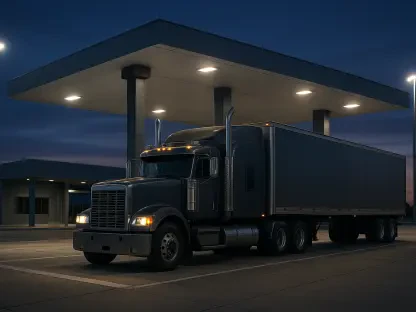

Transporting high-value capital goods across international borders involves a complex web of logistical hurdles that can jeopardize the integrity of specialized machinery, massive transformers, and precision turbines. The current global landscape presents a gauntlet of risks, ranging from extreme temperature fluctuations and maritime humidity to the mechanical stresses of turbulent sea crossings and uneven overland routes. Geopolitical shifts and tightening delivery schedules further complicate these operations, making traditional passive monitoring insufficient for modern industrial needs. Without constant oversight, a single undetected impact or a subtle shift in orientation during transit can lead to catastrophic mechanical failure upon installation, resulting in millions of dollars in losses and operational downtime. Logistics managers now require more than just a record of what happened; they need an active window into the journey of their assets to ensure that every phase of the transport process adheres to the rigorous safety protocols required for complex project cargo.
Proactive Risk Mitigation Through Integrated Sensor Technology
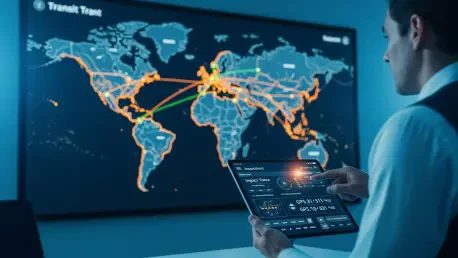
The transition from reactive damage assessment to proactive supply chain management is being driven by the integration of multi-sensor data loggers and sophisticated cloud platforms. Systems such as the ASPION L-Track provide a comprehensive 360-degree view of cargo conditions by monitoring a wide array of environmental variables including shock, vibration, tilt, and even light exposure. Operating across approximately 160 countries, this IoT-based solution utilizes global cellular connectivity to transmit real-time alerts the moment a threshold is breached. This immediacy allows stakeholders to intervene while the cargo is still in transit, perhaps by requesting an inspection at the next port or adjusting the handling procedures for the remainder of the journey. By centralizing this data in a cloud environment, companies can move away from siloed information, ensuring that everyone from the manufacturer to the end customer has access to a transparent and verifiable record of the transport conditions.
Technical Precision and the Future of Accountability
Beyond immediate operational benefits, the use of high-resolution digital loggers addresses the critical need for legal and financial accountability in the event of transit damage. Advanced hardware now records mechanical impacts with millisecond resolution, providing precise time stamps and force vectors that are essential for determining exactly when and where an incident occurred. This level of detail is vital for insurance claims and liability disputes, as it removes the ambiguity often associated with manual reporting or lower-frequency sensors. Compliance with international standards, such as IEC 60721-3-2, ensures that the collected data meets the evidentiary requirements of global trade regulations and industrial insurance policies. The latest iterations of these tools, including Version 2 of the ASPION L-Track, have further refined the user experience through enhanced data visualization and automated reporting features. These advancements signify a broader industry shift toward a digitalized, data-driven framework that prioritizes the long-term reliability of global infrastructure projects.
Strategic Implementation for Modern Logistics
Organizations looking to enhance their shipping safety should prioritize the adoption of scalable monitoring packages that integrate seamlessly with existing enterprise resource planning systems. The move toward modular starter kits allows firms to test these tracking capabilities on high-risk routes before committing to a full-scale fleet deployment. It is recommended that logistics directors conduct a thorough audit of their current sensor resolution to ensure it aligns with the strict requirements of heavy-lift transport insurance. Moving forward, the focus must shift toward predictive analytics, where historical transport data is used to identify high-risk corridors or problematic carriers before a shipment even departs. By investing in hardware that offers both real-time connectivity and high-fidelity logging, companies established a robust defense against the unpredictability of international freight. This shift toward a more transparent and responsive supply chain ultimately fostered a more resilient global trade environment, where the safety of critical industrial components was no longer left to chance.