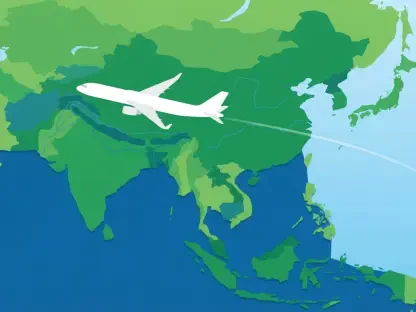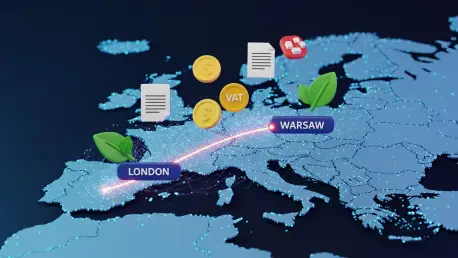

The logistical landscape connecting the United Kingdom to the European Union has undergone a profound transformation, requiring businesses and individuals to navigate a sophisticated web of customs protocols and digital documentation. Since the shifts in trade agreements finalized between 2026 and 2028, the volume of parcels moving from London to Warsaw has surged, necessitating a more robust understanding of international shipping standards than ever before. Successful delivery is no longer just about choosing a courier; it involves a meticulous alignment with Polish regulatory bodies and the utilization of advanced tracking technologies that ensure transparency across borders. Stakeholders must now consider everything from Harmonized System codes to the environmental impact of their supply chains to remain competitive. This evolution in trans-European shipping reflects a broader trend of technological integration where data accuracy is as vital as the physical security of the goods.
Regulatory Standards: Documentation and Fiscal Duty
Customs Protocols: The Importance of Data Accuracy
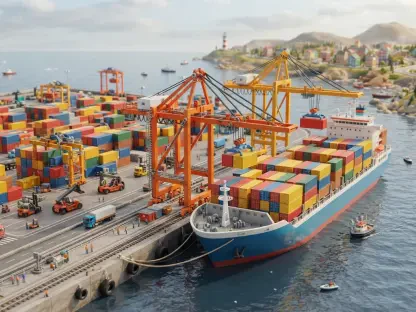
Customs clearance remains the most critical hurdle for any shipment entering Poland from a non-EU territory, as specific documentation is now strictly enforced by the Krajowa Administracja Skarbowa. Every package must be accompanied by a detailed commercial invoice that specifies the country of origin, the total value of the goods, and a precise description of the contents to avoid unnecessary impoundment. Utilizing the correct Harmonized System (HS) codes has become even more vital in 2026, as Polish customs officials utilize automated scanning systems that cross-reference item descriptions with international tax databases for immediate verification.
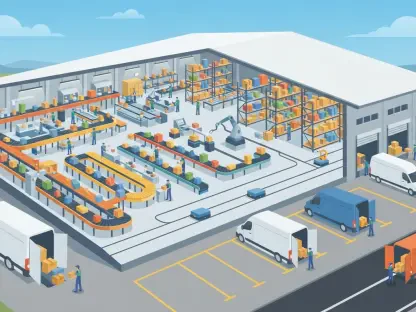
Digital integration of shipping manifests allows for pre-clearance, which significantly reduces the transit time once the goods arrive at major hubs like Poznań. Shippers who fail to provide accurate electronic data often face significant delays and additional storage fees, which can erode the profitability of small-scale e-commerce operations. Ensuring that all digital labels are legible and linked to the correct customs declaration is the foundation of a reliable delivery strategy in the current trade environment.
Tax Obligations: Navigating VAT and EORI Requirements
Managing the financial implications of shipping to Poland requires a comprehensive understanding of the Value Added Tax, known locally as Podatek od Towarów i Usług, which typically stands at twenty-three percent for consumer goods. For businesses, obtaining an Economic Operator Registration and Identification number is a prerequisite for engaging in cross-border trade, as this unique identifier tracks all movements within the European customs union. The choice between Delivery Duty Paid and Delivery Duty Unpaid significantly influences the customer experience, as Polish consumers increasingly prefer transparent pricing models that include all fees at the point of purchase.
Implementing a DDP strategy ensures that the sender handles all import duties beforehand, preventing the recipient from facing unexpected charges upon delivery. This approach has become the industry standard for high-volume retailers who wish to maintain brand loyalty in the competitive Polish market. Conversely, smaller shippers may opt for DAP, but this necessitates clear communication with the recipient to ensure they are prepared to settle tax obligations through the local postal or courier portal.
Sustainable Operations: Strategic Next Steps
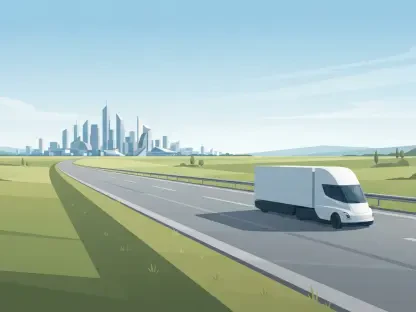
The focus of international shipping transitioned toward environmental accountability as the implementation of green corridors and electric transit fleets became the standard across the European continent. Shippers who adopted biodegradable packaging and carbon-neutral transit options found greater success with Polish consumers, who increasingly prioritized sustainability in their purchasing decisions. Logistics providers integrated sophisticated life-cycle assessments into their service offerings, allowing businesses to quantify the ecological footprint of every parcel sent from the United Kingdom to Poland.
Organizations eventually streamlined their operations by auditing their supply chains and removing bottlenecks in the customs declaration process through the use of dedicated software. They established partnerships with local Polish distributors to mitigate the risks associated with long-haul transit and ensured that all fiscal obligations were handled with digital precision. These proactive measures ultimately resulted in a more resilient shipping framework that balanced regulatory compliance with the high expectations of the modern marketplace.