
The subtle shift of trade routes away from historically congested corridors toward the mouth of the Río de la Plata marks a significant turning point in how global commerce navigates the complexities of the Southern Cone. While global supply chains have recently grappled with geopolitical friction, Uruguay has emerged as a beacon of reliability and strategic depth. The full acquisition of Aero Cargas S.A. by DHL Global Forwarding signals a definitive end to the era of mere partnerships, ushering in a period of direct, high-capacity operational control. This transition reflects a broader trend where major logistics entities seek to anchor themselves in locations that offer both geographical advantage and legislative stability.
This expansion is far more than a simple corporate consolidation; it represents a fundamental re-engineering of the South American trade landscape. By absorbing a firm with six decades of local expertise, DHL has effectively neutralized the traditional barriers to entry that often hinder international firms in the Mercosur region. The move positions Montevideo not merely as a regional stopover, but as a central orchestrator for high-value goods moving between the Atlantic and the Pacific. As the logistics industry enters this new phase in 2026, the focus has shifted from simple transportation toward the management of sophisticated, end-to-end value chains.
The Transformation of Montevideo Into a Global Shipping Powerhouse
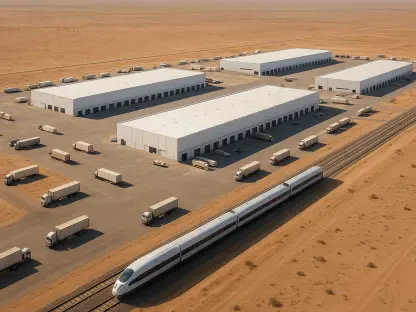
The evolution of the Uruguayan capital into a dominant logistics hub is the result of decades of infrastructure investment meeting a sudden shift in global demand. The integration of Aero Cargas into the DHL framework allows for a seamless blend of global logistics technology and localized operational nuance. This combination is essential for navigating the specific regulatory environments of neighboring Brazil and Argentina, which remain major but often difficult markets to access.
Moreover, the transformation is characterized by a shift toward high-tech freight management systems that provide real-time visibility across the entire Southern Cone. Montevideo now serves as a testing ground for integrated multimodal solutions that connect maritime traffic with inland distribution networks. This level of synchronization ensures that the city remains a critical node in the global trade network, regardless of the volatility seen in other international shipping lanes.
Why Uruguay Is the New Strategic Gateway for the Southern Cone
Uruguay’s “Free Port” status and its unique legal framework provide a sanctuary for businesses looking to mitigate the risks associated with regional trade volatility. Unlike many of its neighbors, the country offers a predictable environment where goods can be stored, processed, and redistributed without the immediate burden of import duties. This regulatory agility is a cornerstone of why global logistics leaders are now doubling down on their physical presence within the country.
The deep-water capabilities of Uruguayan ports further enhance this strategic advantage, allowing for the handling of larger vessels that are increasingly common in 2026. These physical assets, combined with political stability, create a “safe harbor” effect that attracts diverse industries ranging from heavy manufacturing to retail. Consequently, the country is no longer just a doorway to the Southern Cone but a vital platform for sustainable regional growth.
Orchestrating a High-Value Logistics Ecosystem
The strategy in Uruguay focuses on the precision required for high-stakes industries, particularly the life sciences and healthcare sectors. With over $1 billion in pharmaceutical products flowing through the country annually, the demand for cold-chain integrity and specialized handling has never been higher. DHL is now managing the intricate reprocessing and repackaging of active ingredients, ensuring that global pharmaceutical brands can meet the stringent requirements of South American regulators with speed and accuracy.
Simultaneously, the surge in AI development and data center construction across the region has necessitated a new breed of technology logistics. Managing the transport of heavy cooling units, specialized servers, and sensitive digital infrastructure requires more than just cargo space; it demands a sophisticated understanding of project logistics. By leveraging sixty years of experience from its new local arm, the company provides the technical oversight necessary to build the physical backbone of South America’s digital future.
Insights From the Southern Cone Leadership
Industry experts view the integration of Uruguay into the PAC cluster—comprising Peru, Ecuador, Argentina, and Chile—as a masterstroke in regional resource allocation. This organizational structure ensures that Montevideo is part of a cohesive strategy that prioritizes cross-border efficiency and shared logistics intelligence. Leadership within the region has emphasized that the retention of local staff is not merely a formality but a strategic necessity for maintaining the ground-level knowledge required to navigate South American customs.
Furthermore, this move is underpinned by a significant financial commitment, part of a larger multi-million euro investment plan dedicated to the Latin American market. This funding is being directed toward upgrading existing facilities and implementing greener logistics solutions that align with modern environmental standards. The focus remains on building a resilient network that can withstand regional economic shifts while providing a consistent level of service to multinational clients.
Strategies for Navigating the New Mercosur Trade Landscape
For businesses looking to thrive in this revamped environment, the use of tax-advantaged zones for inventory management has become a critical tactical move. By maintaining regional stock in Uruguay, companies can respond to market fluctuations in Brazil and Argentina within days rather than weeks. This proximity allows for a “just-in-time” delivery model that was previously difficult to achieve in the Southern Cone.
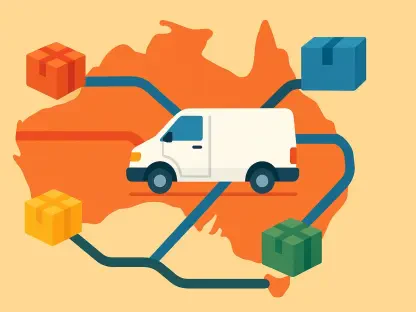
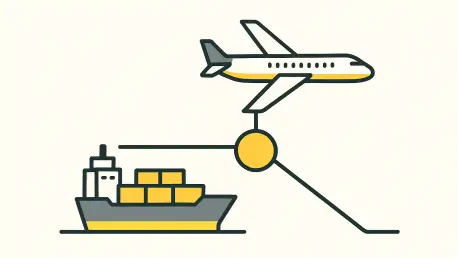
Adopting a multimodal approach is also essential for maintaining supply chain resilience in the face of local disruptions. Integrating air, ocean, and land freight through a single, wholly owned provider simplifies the chain of custody and reduces the risk of administrative delays. As quality control becomes a paramount concern, the ability to apply global standards to regional operations ensures that the most sensitive products reach their destination without compromise.
The consolidation of logistics power in Uruguay established a new benchmark for how international trade operated within the Southern Cone. This transition moved the industry beyond simple brokerage and toward a model of total supply chain integration. Stakeholders realized that the combination of local expertise and global infrastructure was the only viable way to manage the complexities of modern commerce. Moving forward, the focus turned to enhancing digital transparency and further refining the “Free Port” model to accommodate even faster trade cycles. Businesses that leveraged these new strategic hubs found themselves better positioned to weather global shifts while tapping into the high-growth markets of South America.