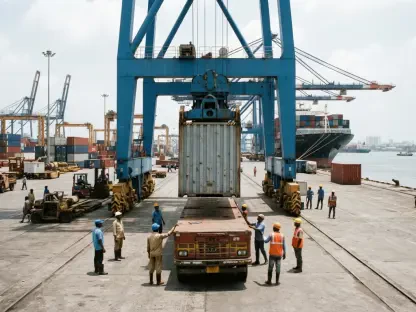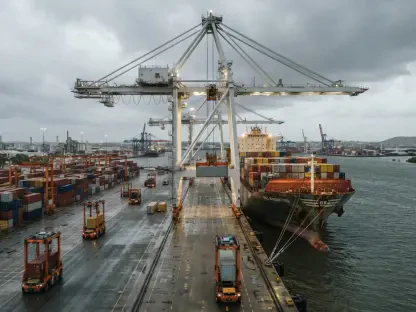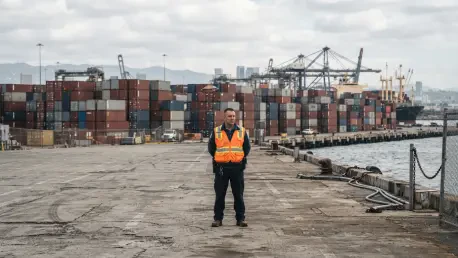

Federal mediators from the FMCS played a decisive role in bridging the gap between the Pacific Maritime Association and union workers during the final hours of November. This critical intervention occurred at a time when the Port of Los Angeles and the neighboring Port of Long Beach were facing an unprecedented operational standstill. As the primary engines for American maritime trade, these gateways handle a vast majority of the nation’s containerized goods, making any disruption a matter of national economic security. A recent standoff involving a specialized group of workers highlighted how even a small labor unit can threaten to paralyze the movement of billions of dollars in cargo, demonstrating the fragility of modern logistics. The tension underscored the interconnectedness of global supply chains, where a single localized dispute can create a massive ripple effect across the entire American retail and manufacturing landscape, necessitating swift and expert mediation to avoid a total shutdown of the Western seaboard.
Labor Dynamics and Economic Expectations
The conflict primarily involved Local 26, a specialized group of approximately 250 watchmen responsible for critical gate security and cargo oversight. Although these workers represent only a tiny fraction of the total port workforce, their role was recognized as a vital linchpin for daily operations. The primary concern during the dispute was not merely the withdrawal of their specific labor, but the high probability that over 22,000 other longshore workers and marine clerks would refuse to cross their picket lines in a show of solidarity. Such a move would have effectively paralyzed the movement of goods at terminals that handle the vast majority of Southern California’s maritime cargo. This potential for a “sympathy strike” gave a relatively small union local immense leverage over the national economy, forcing terminal operators and the Pacific Maritime Association to take the threat of a work stoppage with extreme seriousness during the peak shipping season.
At the heart of the disagreement were labor contracts that had remained expired for over a year, alongside significant gaps in wage expectations between the parties. The Pacific Maritime Association publicly highlighted that their existing offer included substantial wage increases and improvements to pension plans for the watchmen. According to employer data, the average full-time watchman already earned a substantial annual salary exceeding $170,000, which was further supplemented by comprehensive, employer-paid healthcare benefits. While the specific counter-demands of the union were not released to the public, the pressure to secure long-term financial stability and enhanced pension protections remained a primary sticking point throughout the negotiations. The lengthy period of bargaining without a resolution prior to November indicated a deep-seated disconnect regarding the valuation of security roles within the broader port ecosystem, requiring the intervention of federal authorities to find a middle ground.
Escalation: Targeted Terminal Impact
The chronology of the dispute was defined by a series of tense deadlines and incremental extensions throughout November that kept the shipping industry in a state of constant anxiety. Following a strike authorization that had been in place since the start of the month, a definitive strike deadline was set for November 4. To avoid immediate chaos, the parties agreed to multiple short-term contract extensions, moving the deadline from early November to the middle of the month and finally toward the Thanksgiving holiday. These extensions allowed for continued federally mediated talks while keeping the ports operational during a period of record-breaking cargo volumes. The breakthrough finally arrived on Saturday, November 21, when a tentative agreement was announced, ending the immediate threat of a lockout or strike. This resolution followed a breakdown in talks earlier that week, illustrating how close the region came to a total maritime shutdown before a deal was brokered.
The strike threat was particularly potent because it specifically targeted key terminals that manage the bulk of maritime traffic in Southern California. The union’s strike notice highlighted eight critical locations, including APM Terminals, Long Beach Container Terminal, and Total Terminals International. These specific facilities handle approximately 85% of the containerized cargo in Long Beach and a third of the volume in Los Angeles, making them the most significant nodes in the regional supply chain. By focusing on these high-volume gateways, the labor dispute created a strategic bottleneck that would have immediately impacted the flow of retail goods, automotive parts, and industrial components. The concentration of cargo at these specific terminals meant that even a localized picket line would have caused an immediate backlog of vessels in the San Pedro Bay, creating a logistical nightmare that would have taken several months to clear even after the labor dispute ended.
Logistics Bottlenecks and Retail Vulnerability
This labor uncertainty occurred while the ports were already grappling with record-breaking cargo volumes and severe inland rail bottlenecks. In September, the Port of Los Angeles set an all-time monthly record for cargo handling, which meant that the system was already operating at maximum capacity. High “dwell times” for import containers destined for trains rose to over seven days, indicating that the ports were struggling to move boxes off the docks and into the interior of the country even before the labor dispute reached its peak. Additionally, regional infrastructure projects added further complexity to the situation. The scheduled 16-month closure of the Vincent Thomas Bridge forced thousands of daily truck trips to find alternative routes, complicating the already difficult task of container pickup and delivery. These overlapping challenges created a “perfect storm” for logistics managers who were forced to navigate labor threats while dealing with physical constraints on the ground.
The timing of the standoff was especially critical for the retail sector as businesses rushed to secure inventory for the year-end shopping season. Because the dispute coincided with the final push to land holiday goods, a total work stoppage would have prevented “just-in-time” deliveries, leading to empty shelves and significant revenue losses for businesses nationwide. Many retailers rely on the San Pedro Bay port complex to receive high-value consumer electronics, apparel, and toys during this specific window. The pressure to avoid a national economic fallout during the most sensitive time of the commercial calendar forced all parties to consider the broader consequences of a prolonged shutdown. For many companies, the threat of a strike served as a wake-up call regarding their reliance on a single geographic gateway, prompting a reevaluation of their inventory management strategies and the necessity of maintaining “safety stock” to buffer against such sudden and volatile labor disruptions.
Strategic Navigation and Future Industry Evolution
Industry experts concluded that the most effective response to the dispute involved a shift toward granular tracking and proactive logistics planning. Shippers who successfully navigated the uncertainty were those who identified exactly which terminals handled their cargo and accelerated their pickup schedules to beat the announced strike deadlines. Some organizations determined that the best course of action was to explore alternative ports, such as Oakland or Seattle, which remained unaffected by this specific local dispute. This strategic diversion allowed for the continued flow of goods, though it often came with increased inland transportation costs. Furthermore, businesses learned that negotiating “demurrage and detention” fees in advance of potential strikes was a necessary financial safeguard. These past actions demonstrated that modern supply chain resilience required a combination of real-time data visibility and the flexibility to shift operations away from high-risk terminals at a moment’s notice.
The resolution of the dispute also highlighted broader trends that shaped the maritime industry as it moved toward 2027. Regulatory shifts, such as stricter U.S. Customs and Border Protection requirements for foreign importers of record, emerged as a new priority for global trade entities. Shippers began to adopt AI-powered ocean freight solutions to manage the increasing complexity of port operations and labor negotiations, seeking more predictable outcomes in an era of trade policy volatility. The industry recognized that port stability would no longer be a guaranteed constant, necessitating a more integrated approach to customs brokerage and digital logistics management. By the end of the conflict, it became clear that the successful movement of goods depended on a deep understanding of both local labor dynamics and global regulatory changes. This period of disruption ultimately functioned as a catalyst for technological adoption, ensuring that stakeholders were better prepared for future shifts in the geopolitical and economic landscape.