
The traditional dominance of passenger-centric airports in the European logistics chain is rapidly eroding as specialized freighter-first hubs provide the dedicated infrastructure and operational flexibility required for modern global trade. As primary airports like London Heathrow or Amsterdam Schiphol prioritize passenger movements and implement stringent noise curfews, the air freight sector has sought more reliable alternatives. This pivot has placed airports like Liege Airport (LGG) at the forefront of a movement that treats cargo as the primary customer rather than a secondary consideration for belly-hold capacity. By operating outside the constraints of urban passenger hubs, these specialized gateways offer a logistical safe haven for global supply chains facing increasing volatility. The transition is not merely a geographic shift but a fundamental rethinking of how air cargo should interact with landside infrastructure. As a result, the European landscape is being redrawn, with traditional secondary airports evolving into central nodes that define the speed and efficiency of the continent’s entire trade network.
Bypassing the Constraints of Conventional Hubs
Operational Continuity: The Value of Unrestricted Flight Access
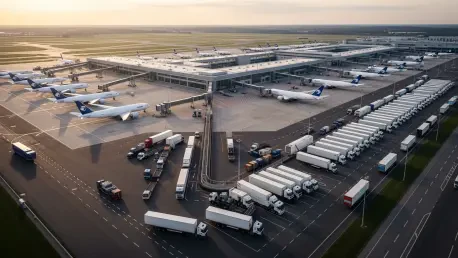
Operational certainty has become the most valuable currency for modern logistics providers who cannot afford the delays caused by night flight bans and slot restrictions at major metropolitan airports. At freighter-first hubs, the removal of curfews allows for genuine 24/7 operations, which is essential for the express delivery and e-commerce sectors that rely on overnight processing. While traditional hubs often limit freighter slots during peak passenger hours, dedicated cargo airports provide the flexibility to schedule landings based on supply chain needs rather than airline timetables. This freedom ensures that high-priority goods do not sit on the tarmac waiting for a passenger window to open, thereby reducing total transit times significantly. Furthermore, the absence of urban congestion around these specialized sites means that trucks can enter and exit the facilities with minimal delay. This seamless integration between air and ground transport creates a reliable rhythm that passenger-centric airports, burdened by thousands of daily travelers, simply cannot replicate today.
Structural Stability: Moving Beyond Passenger Belly Capacity
The volatility inherent in relying on the belly capacity of passenger aircraft was laid bare during recent global disruptions, prompting a decisive shift toward dedicated freighter operations. Unlike passenger planes, which fly where people want to go on a seasonal basis, freighters are deployed specifically where trade flows demand them, providing a stable skeleton for European industry. Freighter-first hubs facilitate this stability by offering a diverse range of slots that accommodate various aircraft types and cargo volumes without competing for gate space with commercial flights. This allows carriers to optimize their routes based purely on economic demand and logistical efficiency. Moreover, these hubs serve as critical buffers during peak seasons, absorbing the overflow that traditional airports are unable to handle due to their structural limitations. By specializing in cargo, these airports have built a more resilient system that remains operational even when passenger travel patterns fluctuate wildly. This shift has established a new standard for reliability, ensuring that the movement of essential goods is never treated as a secondary priority.
Strategic Growth Through Infrastructure and Digital Intelligence
Physical Expansion: Preparing Facilities for Cargo Demand
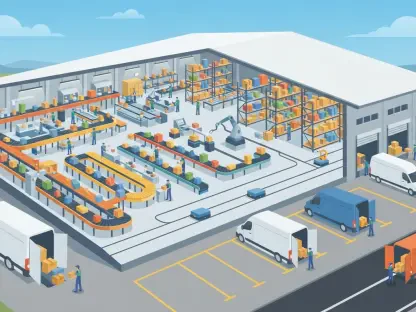
Large-scale infrastructure investments are currently transforming these hubs into sophisticated logistical ecosystems designed specifically for the requirements of next-generation widebody freighters. A prime example of this commitment is the €500 million masterplan at Liege Airport, which focuses on expanding cargo capacity and apron space to accommodate the increasing use of aircraft like the Boeing 777F. By developing nearly 90 hectares of land specifically for cargo-related activities, these hubs are creating the physical space necessary for rapid sorting and distribution that traditional, land-locked urban airports lack. These expansions include specialized climate-controlled facilities for the pharmaceutical and perishable sectors, ensuring that the integrity of sensitive goods is maintained throughout the handling process. The design of these facilities emphasizes a straight-line flow, where goods move from the aircraft to the truck in the shortest possible distance. Such forward-thinking infrastructure projects ensure that these hubs will remain the primary gateways for European trade for decades, providing a scalable solution to the continent’s growing logistical needs.
Technical Integration: Digital Twins and Real-Time Visibility
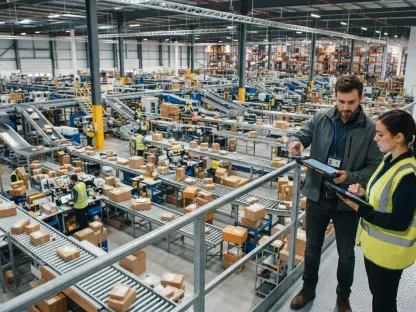
The integration of advanced digital technologies is further distinguishing freighter-first hubs from their passenger-oriented counterparts by optimizing every stage of the cargo handling process. The implementation of Digital Twin technology allows airport operators to simulate and manage the flow of goods in real time, identifying potential bottlenecks before they impact operations. These digital layers provide logistics providers with unprecedented visibility into their shipments, fostering a more transparent and efficient supply chain. In addition to hardware and software upgrades, these hubs are diversifying their carrier networks by welcoming new-generation cargo airlines and partnerships with major shipping lines like MSC Air Cargo. This strategy reduces the risk associated with relying on a few legacy carriers and creates a more competitive and dynamic marketplace. By fostering a diverse ecosystem of airlines, freight forwarders, and technology providers, these airports have built a robust network capable of adapting to rapid changes in global trade routes. This digital and structural agility ensures that the hubs can provide consistent service levels even during periods of extreme market pressure.
Resilient Partnerships: Strategic Actions for Future Security
The emergence of specialized cargo gateways established a clear blueprint for the future of European air logistics by prioritizing infrastructure and operational freedom. Stakeholders recognized that the old model of relying on passenger hubs was no longer sustainable in a world where speed and reliability were paramount. To maintain this momentum, industry leaders shifted their focus toward deep digital integration and the adoption of sustainable aviation fuels to address the growing environmental scrutiny of freighter operations. It was essential for airports to move beyond simple storage and become active participants in the digital supply chain, offering real-time data and specialized handling for high-value sectors like healthcare. The transition proved that specialized facilities were the only way to insulate trade from the unpredictability of passenger traffic and urban regulation. Moving forward, the success of the European logistics sector depended on the continued expansion of these dedicated nodes and their ability to connect seamlessly with multimodal transport networks. By fostering strategic partnerships between air carriers and shipping lines, the industry secured a more resilient and adaptable framework for the years ahead.