
Rohit Laila stands at the intersection of traditional logistics and cutting-edge innovation, bringing decades of perspective to the rapidly evolving supply chain landscape. As an expert in delivery systems and technological integration, he has witnessed firsthand how the digital revolution translates into massive physical cargo moving through global corridors. Today, he shares his insights on the significant infrastructure shift occurring within Texas, where the explosion of data center construction and AI growth is fundamentally reshaping the state’s economic identity and logistical operations.
With Texas ports now facilitating over $107 billion in hardware imports annually, how is this massive influx of AI-related infrastructure reshaping the state’s logistical landscape?
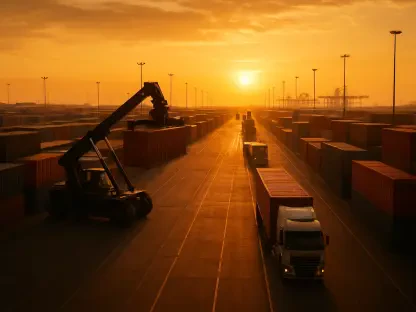
The scale of these imports, which have seen a 19.5% compound annual growth rate since 2020, is fundamentally altering how we view port operations in the region. We are no longer just looking at standard cargo; we are managing a complex flow of servers, specialized power equipment, and critical components that fuel the global AI boom. This surge is directly tied to a nearly 400% increase in data center construction spending, creating a massive ecosystem of industrial activity that requires logistics providers to be significantly more agile. High-value hardware must move seamlessly from the docks to the facilities to meet the urgent needs of modern technological growth, requiring a more sophisticated approach to handling and tracking.
Laredo has emerged as the premier U.S. gateway for data center hardware; what does this shift tell us about the evolving role of cross-border trade with Mexico in the tech sector?
Laredo’s rise highlights a critical shift toward integrated North American manufacturing where Mexico is becoming a powerhouse for high-tech electronics production. Mexico’s data-center-related exports are projected to grow by 145% in 2025, driven by massive investments from major manufacturers in regions like Chihuahua and Guadalajara. We are seeing a sophisticated rail and road network take shape, such as the Quantum de Mexico intermodal service that connects Mexico’s electronics manufacturing base directly to distribution networks in Dallas. This cross-border synergy is essential because it allows for a rapid response to the rising demand for servers and infrastructure that domestic production alone cannot satisfy.
The Port of Houston is managing increasingly complex shipments of heavy equipment; could you describe the operational challenges and scale involved in these specialized movements?
Moving massive infrastructure through Houston is a feat of precision engineering and logistical coordination that goes far beyond standard shipping. We recently saw six massive turbines arrive at the port, which required more than 400 specialized truck movements to reach their final destination within the state. These are critical components like switchgear and transformers that require meticulous planning for every mile of the journey to ensure safety and structural integrity. Houston has effectively become the primary entry point for this heavy equipment, necessitating a robust network of staging areas and specialized transport teams to manage the sheer physical weight of the AI revolution.
Beyond the data centers themselves, how is the demand for industrial real estate and warehousing expanding to support this specialized supply chain?
The impact on industrial real estate is staggering, with data-center-related leasing reaching nearly 14 million square feet in 2025, which is more than double the level recorded five years earlier. For every single operating data center in Texas, there is an average requirement for over 531,000 square feet of additional industrial occupancy for warehousing and equipment staging. This creates a secondary boom in the real estate market as providers race to secure enough square footage to house the components and manufacturing support necessary for ongoing operations. It is a massive ripple effect that transforms how we plan and utilize industrial space throughout the entire state of Texas.
What is your forecast for the future of this logistics ecosystem as AI infrastructure continues to mature?
I anticipate that the integration between our digital needs and physical transportation networks will only deepen, leading to even more specialized logistics corridors throughout the Texas-Mexico region. We are likely to see continued growth as the 19.5% compound rate we have experienced since 2020 becomes the new baseline for the entire industry. As manufacturing investments in Mexico continue to scale, the reliance on intermodal rail and automated facilities will be the only way to handle the massive volumes effectively. Ultimately, Texas is positioning itself as the central nervous system for the global AI supply chain, requiring a permanent and significant expansion of our industrial and logistics footprint.