
The modern supply chain has arrived at a juncture where the precision of a digital signal is now as valuable as the physical movement of the cargo itself. This reality is most evident in the final-mile sector, where the complexity of getting a parcel to a doorstep has evolved into a high-stakes balancing act of technology and speed. As the global logistics industry shifts toward hyper-local fulfillment, the last mile has solidified its position as the primary touchpoint for consumer brand loyalty. Traditional delivery models are no longer sufficient to handle the volume and variety of modern commerce. Instead, companies are increasingly turning to a diverse ecosystem of national and regional carriers to bridge the gap between distribution centers and the end user.
The rise of the e-commerce surge forced carrier networks to adapt rapidly, leading to the adoption of hybrid fulfillment models that utilize multiple tiers of providers. This heterogeneous environment presents a significant challenge because each carrier often operates on its own proprietary technology stack. Without a cohesive data strategy, the result is often a disjointed experience for both the shipper and the consumer. Market scope is expanding, and with it, a heavy dependency on data-driven delivery precision has emerged. For a brand to remain competitive, it must ensure that every package is visible, every milestone is recorded, and every delay is communicated with absolute clarity.
The technological influences shaping this landscape are profound. From the integration of regional specialists to the use of micro-fulfillment centers, the physical infrastructure is being redesigned for proximity. However, the digital infrastructure has often lagged behind, creating a fragmented view of the delivery journey. Ensuring that a delivery made by a local courier is tracked with the same rigor as one handled by a global giant is the new operational imperative. As precision becomes the baseline expectation, the ability to synthesize disparate data streams into a single narrative has become a defining factor for market leaders.
Trends and Performance Metrics Shaping the Logistics Sector
Emerging Drivers of Data Uniformity and Consumer Expectations
Rapid adoption of specialized regional providers is currently the primary strategy for companies looking to maximize their geographic reach and delivery capacity. These localized players offer deep knowledge of specific urban or rural corridors, yet they often lack the sophisticated tracking interfaces found in larger networks. This gap has created a sudden and urgent demand for data uniformity across the entire supply chain. At the same time, consumer behavior is shifting toward a demand for real-time precision and extremely narrow delivery windows. The expectation is no longer for a package to arrive on a specific day, but rather within a specific hour, with live updates provided at every stage of the journey.
The rise of diverse delivery fleets is another driver of this need for standardization. Modern urban logistics now feature a mix of electric vehicles, cargo bikes, and two-wheelers, each with different transit times and physical constraints. Managing this fleet diversity requires a sophisticated data layer that can normalize the performance metrics of a cargo bike in a dense city center with those of a heavy van in the suburbs. Moreover, the influence of machine learning is moving the industry toward a predictive rather than reactive supply chain. By analyzing historical delivery patterns, these systems can identify potential delays before they occur, but they require standardized data to function effectively.
Market Growth Projections and Industry Success Indicators
Analysis of the global last-mile market shows a significant valuation increase in logistics technology, particularly for platforms that offer unified visibility. From 2026 to 2029, investment in tracking standardization is expected to be a top priority for firms seeking to lower their operational overhead. Success in this sector is increasingly measured by key performance indicators that focus on first-attempt delivery success and the total cost-per-package. When tracking is standardized, companies can identify the specific causes of failed deliveries, whether they are due to incorrect address data or carrier performance issues, and take immediate corrective action.
Forward-looking forecasts indicate a transition from retrospective reporting to the use of proactive decision engines. These engines use real-time data to reroute shipments and adjust delivery priorities on the fly. Data-backed insights suggest that standardized visibility correlates directly with reduced operational churn, as it eliminates the need for manual intervention and reduces the volume of customer service inquiries. As the market grows, the valuation of logistics firms will be tied not just to their physical assets, but to the quality and reliability of their data streams. This shift underscores the importance of viewing tracking as a foundational business asset rather than a secondary technical requirement.
Overcoming Structural Fragmentation and Operational Disruptors
Addressing the information vacuum caused by incompatible carrier technology stacks is one of the most difficult challenges facing modern logistics managers. When each delivery partner uses different codes and definitions for milestones, the shipper is left with a fragmented picture that is difficult to interpret. This lack of standardization often leads to escalating costs associated with “Where Is My Order” inquiries, which represent a significant drain on customer support resources. By establishing a common language for delivery events, companies can provide consumers with self-service tools that reduce the need for direct contact and improve the overall user experience.
Solving the challenge of inconsistent proof-of-delivery and administrative claim disputes is another critical area for improvement. Without a standardized way to document a successful drop-off, whether through photos or digital signatures, resolving disputes becomes a time-consuming and expensive process. Furthermore, navigating the complexities of reverse logistics remains a major pain point for many retailers. Inventory reconciliation delays often occur because the tracking data for returned items is not as robust as it is for outbound shipments. Bridging this visibility gap is essential for maintaining a healthy circular economy and ensuring that returned products can be resold quickly.
Tactics for preventing service failures often involve identifying re-attempt loops and addressing them before they become a recurring problem. When a carrier fails to deliver a package, the lack of standardized data often means the system simply schedules another attempt without investigating why the first one failed. This leads to wasted fuel, increased labor costs, and frustrated customers. By integrating more granular data points, such as gate codes or specific drop-off instructions, into the standardized tracking flow, logistics providers can increase their first-attempt success rates. This proactive approach turns potential failures into opportunities for operational refinement.
The Regulatory Environment and Technical Compliance Standards
Understanding the shift toward standardized event vocabularies and milestone definitions is necessary for any company operating on a global scale. Regulatory bodies and industry groups are increasingly advocating for a common set of standards that allow different logistics platforms to communicate seamlessly. The role of data security and privacy is also central to this discussion, especially as real-time geolocation tracking becomes more prevalent. Companies must balance the need for precise tracking with the legal requirements for protecting consumer data, ensuring that location information is only used for its intended purpose and stored securely.
Compliance with Service Level Agreements through objective, standardized performance data is becoming a mandatory part of carrier contracts. Shippers are no longer willing to rely on a carrier’s internal reports to judge performance; instead, they require independent, standardized data that can be verified in real-time. This trend is also influenced by international shipping standards and regional regulations that dictate how data should be shared across borders. By adhering to these standards, logistics providers can avoid costly fines and ensure that their operations remain transparent to all stakeholders in the supply chain.
Security measures for digital proof-of-delivery are being updated to prevent fraud and ensure the integrity of the final mile. As more transactions occur digitally, the risk of fraudulent claims for non-delivery increases. Standardized tracking systems that include geofenced photo evidence and timestamped digital signatures provide a robust defense against these risks. This level of technical compliance not only protects the shipper and the carrier but also builds trust with the consumer. In a landscape where brand reputation can be damaged by a single poor delivery experience, maintaining high standards for tracking and documentation is a critical safeguard.
The Future of Integrated Logistics and Autonomous Tracking
Anticipating the move toward fully automated exception workflows and recovery playbooks is essential for scaling logistics operations in the coming years. In the future, a delivery failure will automatically trigger a series of recovery actions, such as notifying the customer or rerouting the package to a nearby pickup point, without any human intervention. The role of predictive ETAs will become even more prominent, driven by live environmental data such as weather patterns and historical dwell times at specific locations. This will allow for an unprecedented level of transparency, giving consumers a near-perfect view of when their order will arrive.
Integration of autonomous delivery robots and drones into a unified tracking timeline represents the next frontier of last-mile logistics. These autonomous systems generate vast amounts of data that must be normalized and integrated with traditional carrier data to provide a comprehensive view of the network. How global economic conditions and sustainability mandates will force deeper data integration is another key consideration. As companies are pressured to reduce their carbon footprints, they will need standardized data to optimize routes and ensure that every delivery is as efficient as possible. This transition toward a single source of truth is the only way to manage dynamic capacity allocation effectively.
The convergence of these technologies will create a landscape where the delivery process is almost entirely self-managing. In this environment, the ability to shift volume between different types of carriers and vehicles based on real-time demand and performance data will be a major competitive advantage. Companies that invest in the necessary data infrastructure now will be well-positioned to take advantage of these innovations. The future of logistics is not just about moving boxes more quickly, but about moving them more intelligently through the use of standardized, integrated, and autonomous tracking systems.
Strategic Framework for Scalable Logistics Excellence
The risks posed by unstandardized tracking data were found to be systemic and damaging to the long-term health of the logistics sector. Leaders across the industry realized that continuing with fragmented systems resulted in higher costs and lower customer satisfaction. The necessity of a unified event vocabulary became clear as the primary means for maintaining carrier governance and ensuring that all partners met the same high standards. Organizations that prioritized this alignment were able to manage their networks with much greater precision, reducing the noise created by inconsistent data and focusing on actual performance improvements.
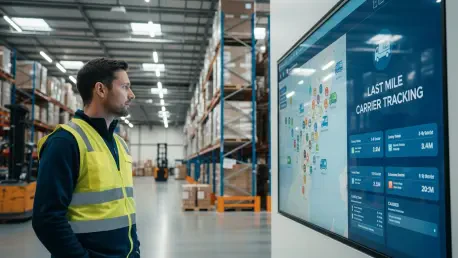
Recommendations for investing in centralized control towers focused on the need to synthesize disparate data streams into a single, actionable interface. These control towers allowed logistics managers to see across their entire network, identifying bottlenecks and service gaps in real-time. This comprehensive view was essential for scaling operations without a corresponding increase in administrative overhead. By moving away from manual data reconciliation, firms were able to allocate their resources more effectively, targeting improvements where they would have the greatest impact on the bottom line.
The transition from viewing tracking as a technical utility to treating it as a competitive brand asset was a pivotal moment in the industry’s development. This change in perspective allowed companies to build deeper trust with their customers by providing a transparent and reliable delivery experience. Ultimately, the adoption of standardized tracking protocols laid the groundwork for future innovations in automation and autonomous delivery. Those who embraced these standards found themselves with a more resilient, efficient, and scalable logistics framework that was capable of meeting the demands of a rapidly changing global market.