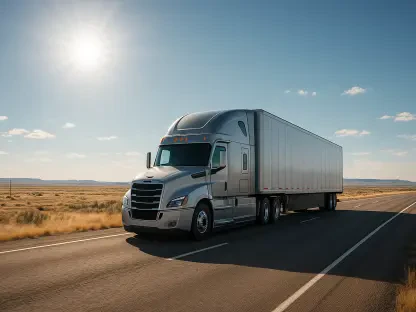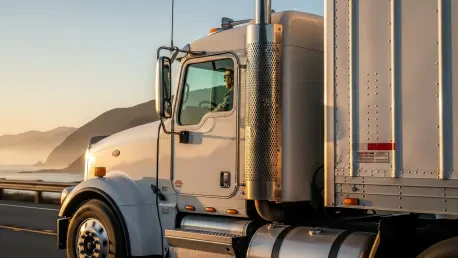

A massive logistical shift is currently unfolding across the European continent as a French startup named Truckly introduces a ride-sharing model designed specifically for the heavy-duty freight sector. By identifying the thousands of empty passenger seats traversing highways every day, the company aims to eliminate what it describes as a monumental waste of transport capacity within the traditional logistics chain. This concept, known as truckpooling, targets long-distance routes where traditional public transportation is often infrequent or entirely absent, effectively transforming the existing network of freight vehicles into a viable secondary transit system for the general public. While the idea of hitching a ride in a semi-truck may seem unconventional, the initiative seeks to maximize every mile driven by offering travelers an alternative way to cross regions. By integrating passengers into the freight ecosystem, the startup hopes to solve accessibility issues in remote areas while simultaneously optimizing the use of energy and road space.
Financial Gains: Balancing Profit and Green Mobility
For trucking companies, the primary draw of this model is the potential to establish an entirely new revenue stream without necessitating any significant alterations to their core logistics operations. The startup provides fleet owners with sophisticated digital tools and profit calculators that allow them to visualize exactly how much additional income can be generated from every mile traveled with an occupied passenger seat. Beyond the immediate financial gains, the founders believe this collaborative model will assist in rehabilitating the public image of the professional trucking industry by making it more transparent and social for observers who typically only view these vehicles from a distance. By inviting the public into the cabin, the industry can demonstrate the skill and dedication required for long-haul transport. This transparency is intended to humanize a profession that is frequently misunderstood or ignored by those outside the logistics sector.
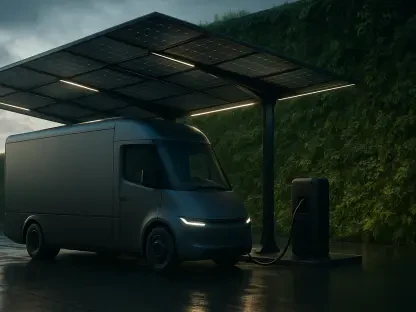
To demonstrate that the concept is technically and socially viable, the startup recently facilitated its inaugural official passenger trip utilizing a fully electric heavy-duty truck. This specific milestone was framed as a dual victory for environmental sustainability and interpersonal connection, featuring a passenger who decided to gift this unique travel experience to his father. By emphasizing the pride and emotion inherent in the trucking profession, the platform is attempting to market freight travel as a modern, sustainable, and soulful method of navigating the country. This narrative shift aims to move beyond simple cost-efficiency to position truckpooling as a lifestyle choice for environmentally conscious travelers. The use of electric vehicles in these early stages serves as a powerful symbol of the industry’s commitment to modernization, suggesting that the future of freight could be as much about moving people as it is about moving products. This strategy builds a bridge between corporate goals and values.
Regulatory Hurdles: Managing Liability and Driver Safety
Despite the optimistic marketing, the path to widespread industry adoption is obstructed by a variety of significant legal and professional hurdles. Many seasoned experts within the transport sector have expressed concerns regarding what they term the uberization of freight, noting that commercial trucks are strictly regulated for the transport of goods rather than acting as impromptu passenger buses. There are substantial and currently unresolved questions concerning liability and insurance coverage, particularly regarding who bears responsibility if a passenger sustains an injury during a journey. It remains unclear whether standard commercial insurance policies even permit the presence of non-employees within the cabin during transit. Without clear regulatory frameworks that address these specific insurance gaps, many fleet operators may find the potential risks far outweigh the financial rewards. The legal distinction between a cargo vehicle and a public transit vessel is narrow, and blurring these lines could invite rigorous scrutiny.
Furthermore, there is a growing concern about how the presence of a passenger might negatively influence the day-to-day operations and mental health of the driver. Professional truckers operate under incredibly strict labor laws and tachograph regulations that dictate exactly when they must perform their duties and when they must take mandatory rest. Critics argue that introducing a paying passenger into this highly controlled environment creates an awkward hybrid role where the driver is forced to prioritize freight safety while simultaneously providing hospitality services. This ambiguity in roles could lead to increased driver fatigue or unexpected distractions that might ultimately compromise the safety of everyone on the road. The mental load of managing a stranger’s expectations while navigating a forty-ton vehicle through heavy traffic is a factor that has not yet been fully accounted for in current pilot programs. Maintaining the professional boundaries necessary for safe operation becomes significantly more difficult.
Security Risks: Mitigating Crime and Planning for Stability
Perhaps the most pressing and urgent concern voiced by industry stakeholders involves the rising tide of sophisticated cargo crime occurring across the continent. With annual losses reaching hundreds of millions of euros, security experts are naturally wary of any platform that facilitates the entry of total strangers into the cabins of high-value freight vehicles. There is a legitimate and pervasive fear that criminal organizations could exploit truckpooling services to place scouts directly inside the vehicles to gather critical intelligence on security protocols, specific routes, and the types of cargo being transported. This would essentially provide a direct entry point for organized theft groups to plan more effective hijackings or warehouse raids. Given that some trucks carry electronics or pharmaceuticals worth millions, the risk of providing a front-row seat to a potential criminal is a vulnerability that many security directors find unacceptable. The verification processes for passengers would need to be exceptionally rigorous.
To address these multifaceted challenges, the logistics industry examined several strategic solutions that balanced innovation with rigorous safety standards. The implementation of advanced biometric verification and background checks for all passengers became a mandatory requirement for any fleet participating in the shared cab program. Regulators and insurance providers worked in tandem to develop specialized policy riders that specifically covered third-party passengers in commercial freight settings, thereby providing the legal clarity that was previously absent. Furthermore, fleet managers began using internal monitoring systems to ensure that driver rest periods remained undisturbed by passenger presence, maintaining a strict separation between professional duties and social interaction. By prioritizing security and regulatory compliance over rapid expansion, the industry sought to turn truckpooling from a risky experiment into a structured, secure component of the modern transportation network. This evolution suggested that the cabin was shared safely.