
The global logistics landscape is currently undergoing a massive transformation as the demand for rapid e-commerce delivery outpaces the capacity of traditional freight hubs to manage small-parcel volume efficiently. Liège Airport has addressed this challenge by launching a dedicated zone designed to act as a specialized conduit for high-speed digital trade between global markets. This initiative focuses on integrating physical infrastructure with digital processing to eliminate the typical bottlenecks found in mixed-use cargo terminals. By dedicating specific areas to e-commerce, the airport provides a streamlined pathway that avoids the complexities of heavy industrial freight. This strategic move ensures that time-sensitive shipments are prioritized and processed through high-velocity channels, maintaining the flow of goods across borders. The project represents a fundamental shift in how airports view their role in the global supply chain, moving from generalist hubs to specialized centers.
Architectural Innovations for Modern Freight
Integrated Sorting and Processing Systems
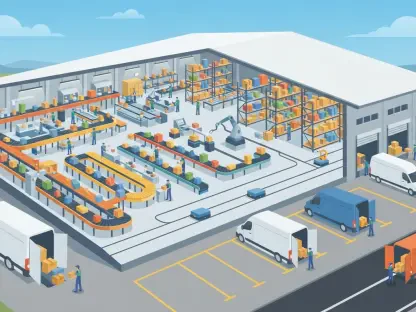
At the heart of the new facility is an array of automated sorting systems that are capable of managing millions of individual packages with extreme precision while reducing the need for manual handling. These systems utilize advanced scanning technologies to identify and route parcels to their next destination in a matter of seconds, ensuring that the transition from air to ground is as fast as possible. The infrastructure was built to support the high-density throughput required by major online retailers who face pressure to deliver products within tight windows. By centralizing these operations, the airport has managed to reduce the average ground time for e-commerce freight, allowing for more frequent flight rotations and better asset utilization. This efficiency is further enhanced by the inclusion of dedicated customs lanes that are synchronized with the sorting process to prevent delays. The resulting ecosystem is one where every element of the terminal design is optimized for specific parcel requirements.
Sustainable Infrastructure and Green Logistics
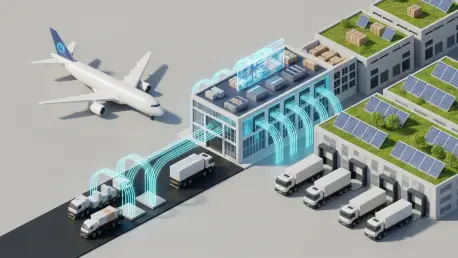
Beyond operational speed, the project incorporates modern environmental standards that focus on reducing the overall carbon footprint of large-scale logistics operations within the region. The buildings are equipped with high-efficiency energy systems and renewable power sources, such as solar panels, to provide the electricity needed for continuous sorting activities. This commitment to green logistics extends to the ground fleet, with the airport providing extensive charging infrastructure for electric vehicles that handle the local distribution of goods. By prioritizing sustainable construction materials and energy-efficient designs, the airport aligns its growth with broader environmental goals, ensuring that increased capacity does not come at an unacceptable ecological cost. These features also provide a significant advantage to logistics companies that are increasingly required to report and reduce their scope emissions while maintaining a clear focus on environmental stewardship and long-term resource efficiency.
Strategic Positioning in the Global Supply Chain
Strengthening Cross-Border Trade Alliances
The development of this specialized hub has facilitated new levels of collaboration between international carriers and European customs authorities, leading to more transparent and efficient trade flows. By creating a standardized environment for e-commerce processing, the airport has simplified the complex regulatory requirements that often hinder the movement of small parcels across international borders. These partnerships are supported by a digital platform that allows for the real-time exchange of shipment data, providing all stakeholders with better visibility into the status of goods. This collaborative approach has attracted a diverse range of logistics players, from global integrators to specialized platforms looking to leverage the hub’s unique capabilities. The synergy between private enterprise and public regulatory bodies ensures that the infrastructure remains responsive to the changing needs of the global market, providing a stable foundation for ongoing growth and innovation.
Operational Efficiency and Future Scalability
The successful implementation of this specialized infrastructure provided a definitive answer to the growing complexities of international parcel delivery. Stakeholders who recognized the value of dedicated e-commerce zones were able to achieve faster turnaround times and lower operational costs compared to those relying on outdated, multi-purpose facilities. Moving forward, it became clear that the integration of digital tracking systems and sustainable energy sources was no longer an optional luxury but a core requirement for any competitive logistics hub. Logistics managers and retail executives found it necessary to prioritize partnerships with airports that offered such specialized ecosystems to meet the rising expectations of a global customer base. The lessons learned from this expansion highlighted the importance of modular design and proactive regulatory engagement in maintaining a fluid supply chain. For those looking to optimize their distribution networks, the emphasis shifted toward selecting hubs that could bridge the gap for delivery.