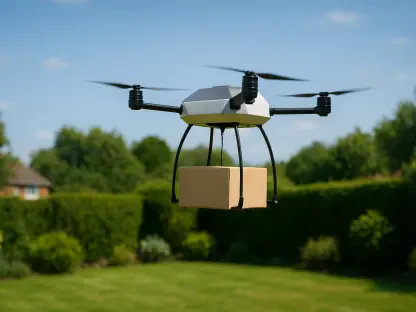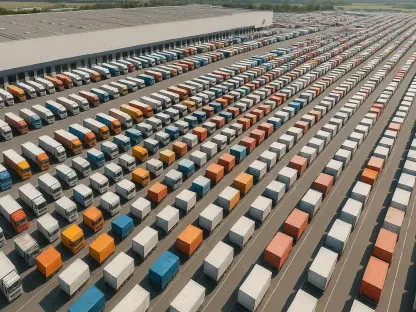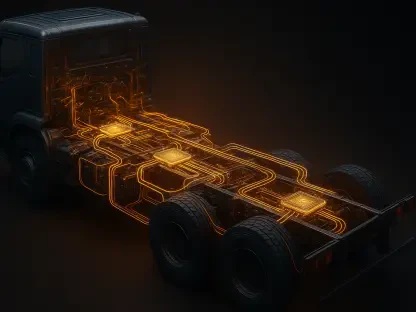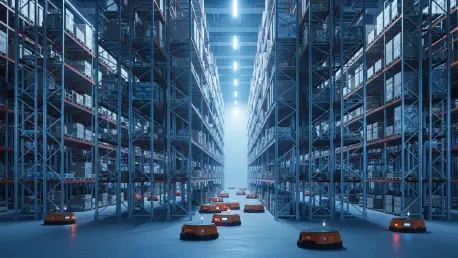

The relentless hum of a distribution center used to be punctuated by the shouts of floor managers and the rhythmic beep of manually operated forklifts, but a silent revolution is currently sweeping across the logistics landscape. Recent industry projections indicate that by 2030, half of all new warehouses in developed markets will achieve a “human-optional” status. This shift marks a radical departure from the traditional blueprints of the last century, moving toward facilities designed exclusively for autonomous efficiency.
The 2030 Pivot: Beyond the Traditional Warehouse Floor
The physical footprint of global logistics is undergoing a profound metamorphosis as companies abandon human-centric designs. Instead of wide aisles built for pedestrian safety and ergonomic picking heights, the new architecture prioritizes the vertical and spatial needs of robotic swarms. These “born-automated” sites are not just upgraded versions of old buildings; they represent a fundamental pivot where the facility itself becomes a giant, cohesive machine.
Forces Redefining the Logistics Labor Market
Chronic labor shortages and the steady rise of wage floors have made the transition to autonomy an economic necessity. The grueling nature of repetitive tasks has historically led to high turnover rates, creating a cycle of constant recruitment and training that erodes operational margins. By investing in autonomous environments now, enterprises are insulating themselves against the volatility of the modern workforce and the physical limitations of manual labor.
The Architecture of a Robot-Centric Facility
In these advanced hubs, artificial intelligence serves as the central nervous system, orchestrating every movement with surgical precision. Unlike static legacy systems, autonomous fleets utilize dynamic task rerouting to navigate demand spikes without human intervention. This “lights-out” capability allows warehouses to operate in specialized environments that do not require standard lighting or climate control, significantly slashing overhead costs.
From Manual Labor to Exception Management
The human element remains vital, yet the required skillset is shifting from physical endurance to high-level exception handling. Professionals on the floor now act as strategic supervisors who intervene only when complex problems exceed the current capabilities of AI. This transition has notably reduced workplace injuries while increasing job satisfaction, as employees focus on nuanced problem-solving rather than exhausting, repetitive motions.
A Roadmap for Navigating the Autonomous Transition
Successful integration requires a forward-thinking strategy that leverages digital twins to simulate workflows before a single brick is laid. Rather than purchasing rigid, proprietary hardware, leaders should prioritize flexible platforms that allow for software-managed scaling. Establishing deep developmental alliances with vendors ensured that these facilities remained agile and capable of evolving alongside rapid technological advancements through the turn of the decade.