
The recent collision between a semi-trailer and several passenger vehicles on a crowded Florida highway has reignited a fierce national debate regarding the adequacy of current commercial trucking safety regulations and the integration of automated driver assistance technologies. This incident, occurring during a period of high traffic volume near a major logistics hub, resulted in multiple fatalities and underscored the persistent risks associated with heavy-duty transport on aging infrastructure. Federal investigators have focused their attention on the vehicle’s braking response and the potential failure of onboard collision avoidance sensors that were designed to mitigate such impacts. As the industry grapples with increasing delivery demands and a shrinking pool of experienced long-haul drivers, this tragedy serves as a catalyst for federal oversight agencies to reevaluate existing safety protocols. The conversation has now shifted toward mandatory implementation of next-generation safety hardware across all commercial fleets by the end of the year to prevent such occurrences.
Regulatory Evolution: Strengthening Federal Mandates and Safety Protocols
The Federal Motor Carrier Safety Administration has accelerated its review of hours-of-service regulations to address the chronic fatigue often cited in catastrophic accidents involving large trucks. While current standards were intended to provide adequate rest for drivers, the pressure of just-in-time delivery models frequently forces operators to push the limits of their physical endurance. Industry leaders are now advocating for more sophisticated biometric monitoring systems that can detect early signs of drowsiness through eye-tracking cameras and heart rate sensors. These technologies are no longer viewed as optional luxuries but as essential components of a modernized fleet that prioritizes human life over speed. Implementation of these systems across major carriers has shown a measurable reduction in lane-departure incidents, suggesting that proactive monitoring can counteract the effects of exhaustion. However, the cost of retrofitting older vehicles remains a significant hurdle for smaller independent owner-operators who struggle with narrow margins.
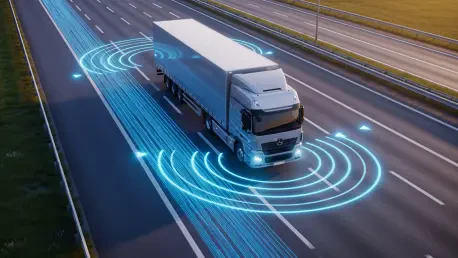
Beyond driver monitoring, the push for universal automatic emergency braking systems has gained significant momentum in the legislative chambers of Washington D.C. as 2026 progresses. Proponents argue that standardizing these systems would eliminate the variability in safety performance between luxury fleets and budget-conscious transport companies. The technology utilizes a combination of radar and lidar sensors to identify obstacles and initiate braking faster than a human operator could react. Critics, however, point to the potential for false-positive activations, which could lead to rear-end collisions from following vehicles unaware of the sudden deceleration. To mitigate these risks, engineers are developing more refined algorithms that can distinguish between stationary debris and actual hazards with near-perfect accuracy. The debate is no longer about whether these systems should exist, but how quickly they can be reliably deployed without disrupting the delicate balance of the national supply chain through sudden mandates.
Technological Integration: Advancing Artificial Intelligence and Infrastructure
Artificial intelligence has become the cornerstone of modern logistics, offering real-time data processing that can predict potential accident hotspots based on weather patterns and traffic density. By leveraging cloud-based platforms, dispatchers can reroute heavy vehicles away from hazardous conditions before a driver even encounters them on the road. This proactive approach relies on the seamless integration of vehicle-to-everything communication, which allows trucks to receive immediate updates from infrastructure and nearby cars. For instance, smart highways in Florida are now testing embedded sensors that alert commercial drivers to sudden congestion around blind curves. This level of connectivity aims to create a safety bubble around large vehicles, reducing the likelihood of multi-vehicle pileups that often lead to total road closures. Such systems represent a significant shift from reactive safety measures toward a holistic, data-driven environment where information is shared instantly to prevent mechanical or human failure.
The resolution of the Florida investigation indicated that a multi-faceted approach involving both legislative reform and technological investment was the only viable path forward for the industry. Policymakers recognized that simply penalizing drivers for errors did not address the systemic issues inherent in modern transport logistics or the limitations of existing highway designs. Therefore, state departments of transportation initiated the construction of dedicated freight lanes on major interstates to separate heavy commercial vehicles from smaller passenger cars. This separation significantly decreased the complexity of the driving environment, allowing autonomous systems to operate with higher confidence and reducing the risk of lethal interactions. Logistics firms also adopted comprehensive training programs that focused on the symbiotic relationship between human intuition and machine precision. Moving forward, the focus shifted toward establishing a national safety standard that harmonized digital infrastructure with physical road improvements for all users.