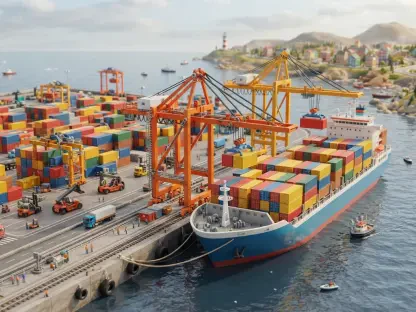

The deep blue waters of the European continent conceal a harsh labor reality where thousands of seafarers and fishers are regularly forced to endure work shifts that far exceed the limits deemed safe for any other industrial profession. Recent research from the World Maritime University has shed light on a troubling trend that persists despite the broader modernization of European labor laws. While land-based workers enjoy the protections of the Working Time Directive, which strictly limits hours to ensure physical and mental health, sea workers are governed by a different set of rules. This disparity is often framed as a necessity of the industry, yet it frequently leads to chronic exhaustion and severe safety risks that jeopardize both lives and the environment. The maritime sector has become a pocket of industrial practice where historical traditions of extreme labor still hold sway over contemporary human rights expectations. This gap in protection highlights a significant failure in the current regulatory framework to treat maritime labor as equal to terrestrial work.
The Historical Persistence: Why Maritime Exceptionalism Endures
The concept of maritime exceptionalism serves as a cornerstone for the current legal isolation of sea workers, drawing from an ancient history that viewed the ocean as a space beyond standard social rules. For centuries, maritime law has functioned to prioritize the absolute authority of vessel masters and the uninterrupted flow of global commerce over the individual rights of those performing the labor. This tradition established a “society at sea” that is fundamentally disconnected from the legal developments affecting land-based employment. Consequently, the maritime industry has managed to maintain a separate legal status that effectively bypasses the labor protections that became standard during the industrial and post-industrial eras. This historical legacy is not merely a relic of the past but a foundational element that continues to shape how international organizations and national governments approach the regulation of shipping and fishing, often resulting in a systemic disregard for the physical limitations of the human body in these specific environments.
Modern analysts have argued that the continued reliance on this exceptionalist narrative is less a functional necessity and more a strategic choice for commercial interests. By maintaining a separate set of rules, the industry can prioritize operational speed and profit margins without being hindered by the strict 48-hour weekly limits found in other sectors. This separation allows vessel owners to implement working conditions that would be considered illegal in a factory or office setting. The social isolation inherent in maritime work further complicates the issue, as seafarers are often out of the public eye and away from the reach of traditional labor inspectors. This lack of visibility ensures that the outdated customs of the sea remain unchallenged by the modern human rights standards that have transformed other high-risk industries. As long as the maritime sector is treated as a unique entity exempt from standard labor expectations, the structural overwork of its employees will likely remain an accepted norm rather than an urgent crisis.
Regulatory Disparities: The 91-Hour Reality Versus Modern Standards
One of the most glaring contradictions in European labor policy is found in the massive gap between the working time standards for land-based employees and those for people at sea. In the European Union, the general standard for “decent work” includes a 48-hour limit on the work week to prevent burnout and ensure safety. In stark contrast, maritime regulations currently permit schedules that reach up to 91 hours per week, often involving 14-hour days as a standard operating procedure rather than an emergency exception. These grueling schedules are structurally embedded in the industry through international conventions that have been adopted by European authorities. This preference for the most lenient possible standards suggests that the safety and well-being of sea workers are frequently traded for global uniformity and the maintenance of competitive advantage. The result is a regulatory environment that validates extreme fatigue as a byproduct of the profession, ignoring the extensive scientific evidence regarding the dangers of chronic sleep deprivation.
The failure of regulators to address these health risks is often attributed to a desire to maintain alignment with international standards, even when those standards are insufficiently protective. European regulators have the legal authority to implement more rigorous protections within their own waters, yet they have consistently chosen to follow the “least protective” path established by global maritime bodies. This decision reflects a prioritization of commercial fluidity over the health and safety of the workforce. By refusing to bridge the gap between land-based and sea-based labor laws, the governance system effectively signals that the lives of those at sea are governed by a different set of ethics. This disparity is particularly concerning given the high-risk nature of maritime operations, where a single moment of exhaustion-induced error can lead to catastrophic environmental disasters or significant loss of life. The current regulatory framework does not just permit overwork; it actively facilitates it by providing a legal shield for practices that are known to be hazardous.
Structural Exhaustion: Assessing the Global Maritime Business Model
The prevalence of excessive work hours is not an isolated incident within specific companies but a global structural feature of the maritime business model. Whether a ship flies an EU flag or is registered under a flag of convenience, the patterns of overwork remain remarkably consistent, indicating that the problem is baked into the very economics of the industry. Seafarers now face annual workloads that exceed any other labor category within the European Economic Area, even when periods of time off the ship are factored into their total yearly hours. This constant state of activity is driven by the demand for rapid turnaround times in ports and the continuous operation of global supply chains. The maritime industry has built its success on a foundation of human endurance that is pushed to its absolute breaking point. This model treats the crew as a replaceable component of the vessel’s machinery rather than as human beings with biological needs for rest, creating a sustainable environment for profit but an unsustainable one for the workers.
In the fishing sector, the situation is even more critical and frequently characterized by a total lack of transparency and data. National studies have indicated that fishers often endure shifts lasting between 16 and 20 hours, with a significant majority of the workforce routinely exceeding the 91-hour weekly limit. This sector is often invisible to the public and lacks the same level of union representation found in large-scale commercial shipping. As a result, fishers operate in a state of chronic exhaustion that poses a severe threat to their lives and the safety of their vessels in some of the world’s most dangerous working conditions. The invisibility of this workforce allows the industry to ignore the human cost of the seafood supply chain. Without a fundamental shift in how the maritime business model accounts for human labor, these workers will continue to be subjected to conditions that defy modern social expectations. The reliance on extreme workloads is a choice made by an industry that has prioritized cost reduction over the basic welfare of its most essential contributors.
Systemic Failures: Manning Certificates and the Normalization of Risk
Governance issues and a significant power imbalance within regulatory debates have allowed the voices of shipowners to dominate the conversation regarding labor standards. This dominance has led to the adoption of rules that preserve commercial interests while eroding the bargaining power and protections of the crew. On a daily level, labor inspections often reveal a “normalization” of these breaches, where excessive work is dismissed as a simple operational necessity rather than a serious safety violation. When vessels are inspected, the focus is often on the paperwork rather than the actual physical state of the crew, allowing companies to hide the reality of exhaustion behind compliant logs. This culture of normalization makes it incredibly difficult for workers to report abuses or for inspectors to enforce meaningful changes. The system is designed to keep the ships moving, and any disruption caused by labor concerns is often seen as an obstacle to be managed rather than a legitimate grievance to be resolved.
Companies frequently utilize “minimum safe manning certificates” as a legal loophole to justify understaffing, which places an impossible physical burden on the remaining crew members. These certificates often reflect the absolute minimum number of people required to navigate a ship under ideal conditions, rather than the number needed to handle the complex, multi-tasking environment of modern maritime operations. When fatigue inevitably leads to human error, the administrative system tends to blame the individual seafarer rather than the structural demands that caused the exhaustion. This focus on individual culpability serves to protect the underlying system from scrutiny and reform. By ignoring the link between systemic understaffing and operational risk, the maritime sector continues to rely on a model that ignores human limitations. The safety of the global maritime infrastructure is currently being maintained by a workforce that is perpetually tired, a situation that is tolerated only because the industry has successfully shifted the burden of risk onto the shoulders of the individual workers.
Future Resolutions: The Strategic Path Toward Enhanced Labor Safety
The findings from recent labor assessments provided a clear roadmap for addressing the systemic inequalities faced by sea workers in European waters. Experts identified that a primary solution resided in the harmonization of maritime labor laws with the standard European Working Time Directive. This shift required a move away from the “least protective” international standards and toward a model that recognized the fundamental human right to adequate rest and recuperation. Stakeholders argued that the implementation of stricter weekly limits, specifically reducing the maximum allowable hours from 91 toward the terrestrial standard of 48, was essential for modernizing the sector. These recommendations focused on the necessity of treating maritime personnel as equal citizens whose health could not be sacrificed for the sake of maritime exceptionalism. By aligning these rules, the industry was expected to foster a more sustainable and attractive career path for the next generation of seafarers who increasingly demanded better work-life balance.
Actionable progress was also linked to the reform of manning standards and the transparency of labor data within the fishing industry. Researchers proposed that manning certificates should be calculated based on realistic operational workloads rather than theoretical minimums. This change aimed to ensure that every vessel carried enough crew to distribute tasks without forcing individuals into chronic sleep deprivation. Furthermore, the development of digital monitoring systems was suggested to provide accurate, real-time data on working hours, preventing the manipulation of paper logs. This approach shifted the focus from reactive inspections to proactive management of human fatigue. By addressing the root causes of overwork, the maritime community sought to create an environment where safety was a shared responsibility rather than an individual burden. The ultimate goal of these reforms was to integrate the “society at sea” back into the broader framework of modern labor rights, ensuring that no worker was denied a decent life simply because their job happened to be on the water.