


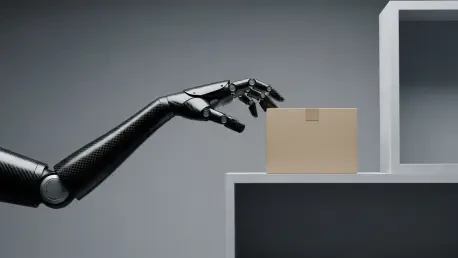

The rapid convergence of advanced neural networks and high-torque actuators has finally pushed the robotics industry beyond the experimental phase into full-scale commercial utility across global supply chains. As retailers face an increasingly complex landscape defined by the need for near-instantaneous fulfillment and a shrinking pool of manual labor, the deployment of bipedal humanoid robots offers a versatile solution that traditional automation simply cannot match. Figure AI has emerged as a frontrunner in this transition, moving its sophisticated machines out of controlled laboratory settings and directly into the high-intensity environments of retail logistics hubs. These robots are not mere replacements for conveyor belts but are designed to navigate spaces originally built for humans, utilizing sophisticated vision systems to identify, sort, and transport goods with a level of dexterity that was considered science fiction only a few years ago. This shift marks a significant milestone in the evolution of industrial automation.
The Architecture of Modern Logistics: Advancing Humanoid Capabilities
Mechanical Sophistence: The Evolution of Physical Form
The physical design of the current Figure AI models reflects a significant departure from the rigid, specialized machines of the past, focusing instead on a human-centric form factor that allows for seamless integration into existing infrastructure. With an emphasis on high-performance electric actuators and custom-designed robotic hands, these machines possess the necessary strength to lift heavy crates while maintaining the finesse required to handle delicate retail items such as electronics or apparel. The latest iterations feature an increased range of motion in the shoulder and wrist joints, which enables the robots to reach items on high shelves or deep within delivery trucks without requiring specialized docking equipment. Furthermore, the integration of high-density battery systems ensures that these units can operate for entire shifts without frequent recharging, a critical requirement for maintaining the throughput necessary in peak seasonal shopping periods. By mirroring the human silhouette, these robots utilize the same pathways as their human counterparts.
Spatial Awareness: Navigating the Complex Warehouse Floor
Beyond mere strength, the mobility of these bipedal systems has been refined through years of testing in diverse terrain, allowing them to navigate cluttered warehouse floors and narrow aisles with remarkable stability. Unlike wheeled robots that require perfectly flat surfaces and wide turning radii, the humanoid design allows for stepping over obstacles and pivoting in place, which maximizes the usable space within a retail distribution center. This spatial efficiency is complemented by a sophisticated sensor suite, including high-resolution LiDAR and multiple cameras that provide a 360-degree view of the environment in real-time. These sensors allow the robot to detect subtle changes in floor conditions or the sudden appearance of obstacles, such as a fallen box or a moving forklift, and adjust its gait accordingly to prevent collisions. This level of physical adaptability ensures that the introduction of humanoid workers does not necessitate a complete and costly overhaul of the facility’s existing physical layout or safety protocols.
Scaling Commercial Operations: From Trials to Integration
Economic Viability: Measuring the Return on Investment
The economic justification for deploying humanoid robots in retail logistics has shifted toward immediate operational necessity as the cost of hardware continues to decline relative to labor. While the initial investment in a fleet of Figure AI robots remains substantial, the reduction in hourly operational costs compared to human labor—especially in markets with high turnover rates—provides a clear path toward a positive return on investment within a short timeframe. These robots can work around the clock without fatigue, allowing distribution centers to maintain a constant pace of fulfillment that was previously impossible without expensive multi-shift staffing. Furthermore, the ability of these machines to perform repetitive and ergonomically taxing tasks reduces the incidence of workplace injuries, which in turn lowers insurance premiums and worker compensation claims for the employer. This transition allows human employees to be moved into higher-value roles, thereby optimizing the total workforce for both efficiency and satisfaction.
Strategic Integration: Building the Autonomous Future
Retail executives who successfully integrated humanoid robotics into their logistics chains observed a marked improvement in overall operational resilience and fulfillment speed. To maintain a competitive edge, organizations moved toward establishing robust internal maintenance teams and developing software layers that allowed for seamless data exchange between robotic fleets and warehouse management systems. Those who prioritized early adoption were able to refine their training protocols and safety standards ahead of the broader market, ensuring that their transitions were smooth and their workforces were properly prepared for the shift. Looking ahead, the focus for retail leaders remained on refining the interoperability between different robotic platforms and investing in the retraining of the human workforce to oversee these complex autonomous systems. By treating humanoid deployment as a long-term strategic asset rather than a hardware upgrade, companies positioned themselves to navigate the modern economy with flexibility.


