
The transition of European logistical networks from carbon-intensive road transport to a modernized rail system has reached a critical juncture as national economies struggle with highway congestion and rising operational costs. For decades, the promise of a unified European rail area has been hampered by fragmented technical standards and archaic manual processes that slow down cross-border movement. Czechia is now positioning itself at the forefront of this transformation, leveraging its central geographic location to pilot technologies that could redefine how goods move across the continent. This initiative involves a massive overhaul of existing rolling stock and the integration of digital systems designed to replace labor-intensive tasks that have remained unchanged for over a century. By focusing on automation and interoperability, the Czech Ministry of Transport aims to demonstrate that rail can compete with the flexibility of trucking while providing the volume and efficiency required for a sustainable industrial future.
Modernizing the Backbone of Continental Logistics
Implementation of Digital Automatic Coupling Technology
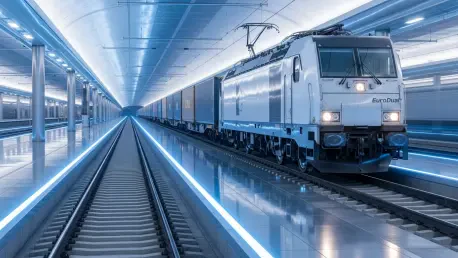
The implementation of Digital Automatic Coupling, or DAC, represents the most significant technological leap for European rail freight in several generations, moving beyond the manual screw coupling systems that have dominated the industry since the nineteenth century. This technology allows for the automatic mechanical and pneumatic connection of freight wagons, while simultaneously establishing a continuous power and data line throughout the entire train consist. In Prague and other major rail hubs, the transition is viewed as a prerequisite for increasing the capacity of existing lines without requiring the construction of entirely new tracks. By reducing the time needed for shunting and train preparation, DAC enables operators to run more frequent services and respond more dynamically to the needs of modern supply chains. However, the sheer scale of the rollout requires nearly half a million wagons across Europe to be retrofitted, a task that Czech engineers are currently spearheading through rigorous testing and standardized prototyping.
Enhancing Operational Efficiency Through Integrated Data
Beyond the mechanical advantages of automated coupling, the integration of telematics and smart monitoring systems is transforming the rail wagon from a passive container into an intelligent node within the global internet of things. Czech rail operators are increasingly deploying sensors that monitor load conditions, wheel temperature, and GPS coordinates in real-time, allowing for predictive maintenance that prevents costly breakdowns and delays. This shift toward a data-driven model provides freight customers with the transparency they have come to expect from road transport, such as precise arrival estimates and sensitive cargo monitoring. Furthermore, the presence of a consistent power supply on wagons facilitates the transport of refrigerated goods, an area where rail has traditionally struggled to compete with specialized trucking fleets. As these digital systems become standard, the cumulative data will allow for more sophisticated traffic management, optimizing the flow of goods through the dense network of Central Europe.
Strategic Infrastructure and Financial Realities
Expanding High-Capacity Rail Corridors Across Europe
The strategic focus on the Trans-European Transport Network, specifically the corridors passing through Czech territory, serves as the physical foundation for these technological advancements. Czechia acts as a vital bridge between the Baltic, Adriatic, and North Sea ports, making its internal rail capacity a matter of continental importance. Current projects are focused on removing notorious bottlenecks, such as aging bridge structures and sections of track that lack the necessary clearance for high-capacity intermodal trains. By upgrading these corridors to support longer and heavier trains, the Czech government is ensuring that the local infrastructure can handle the projected increase in rail freight volumes as the European Union shifts away from long-haul trucking. These upgrades also include the widespread deployment of the European Train Control System, which harmonizes signaling across borders and allows locomotives to transition between different national networks without the need for time-consuming technical adjustments or locomotive swaps.
Strategic Pathways for Long-Term Sector Resilience
To ensure the long-term viability of these rail initiatives, policymakers and industry leaders prioritized the creation of stable financial frameworks that incentivized private investment in rolling stock modernization. It became clear that the successful transition to a digitized rail network required a unified approach to regulation that eliminated the cumbersome bureaucratic hurdles previously slowing down cross-border permits. Strategic investments in terminal infrastructure were finalized, allowing for seamless transfers between rail, water, and road transport modes. The recommendation for stakeholders focused on the development of a skilled workforce capable of maintaining advanced digital rail systems, as the demand for traditional manual labor decreased in favor of high-tech engineering roles. The establishment of decentralized logistics hubs near industrial centers proved to be a decisive factor in reducing the last mile problem, making rail a more attractive option for a wider range of businesses. These steps collectively ensured that the rail sector remained resilient against energy price volatility and shifting trade patterns.