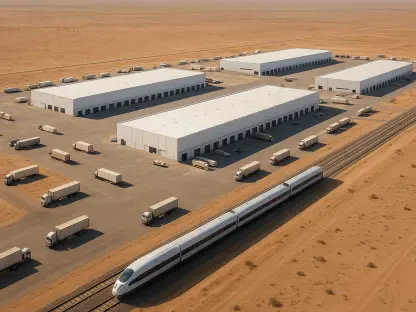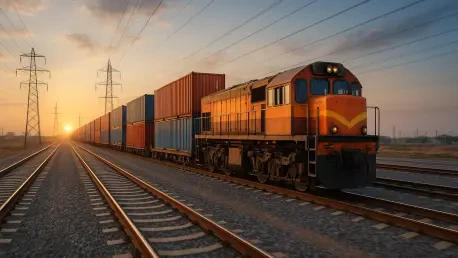

Infrastructure developments such as the EDFC have allowed for the seamless movement of diverse commodities, ranging from iron ore to refined manufactured products. The sheer scale of this transformation has catapulted India’s national carrier into a dominant position on the global stage, overtaking long-standing industrial giants in total tonnage hauled per year. This achievement is not merely a matter of adding more trackage but represents a fundamental shift in how the nation manages its internal and export-oriented logistics. By prioritizing heavy-haul corridors and modernizing legacy signaling systems, the network has drastically reduced transit times between northern manufacturing hubs and western maritime ports. The integration of high-capacity wagons and higher axle loads has further optimized the throughput, ensuring that the rail system can keep pace with the nation’s burgeoning industrial output. As the network expands its reach, it continues to serve as the backbone of a rapidly industrializing economy.
Transforming Global Supply Chains Through Rail Expansion
The Operational Impact of Dedicated Corridors
The Western and Eastern Dedicated Freight Corridors serve as the primary engines driving this newfound logistical efficiency, separating freight traffic from passenger lines to eliminate chronic bottlenecks. For decades, the mixing of slow-moving cargo trains with high-speed passenger services led to unpredictable schedules and high operational costs for domestic industries. By creating exclusive pathways for goods, the rail administration has enabled average speeds to triple, allowing heavy-haul locomotives to traverse the subcontinent in a fraction of the time previously required. These corridors are engineered with advanced double-stack container capabilities, which allow for a significant increase in the volume of goods transported per trip. This architectural upgrade has been pivotal in managing the massive quantities of coal and steel required for urban infrastructure projects while facilitating the export of high-value machinery across the global trade network efficiently and reliably.
Strategic Economic Advantages and Port Connectivity
This expanded capacity has directly contributed to a more resilient supply chain, shielding the domestic market from the volatility of global shipping disruptions and road transport delays. Manufacturing hubs in landlocked regions now possess a direct, high-speed link to deep-water ports, making local products more competitive in international markets. The cost of logistics as a percentage of the total gross domestic product has begun to stabilize, reflecting the efficiencies gained from shifting a larger portion of heavy freight from road to rail. This transition not only lowers the cost of doing business but also attracts significant foreign direct investment from global corporations looking to establish manufacturing bases. Furthermore, the strategic placement of multi-modal logistics parks along these rail corridors has created a decentralized network of distribution centers that can respond rapidly to shifts in consumer demand, ensuring that essential goods reach their destination on time.
Technological Integration and Operational Scalability
Digitization and Predictive Maintenance Systems
Central to this operational success is the implementation of sophisticated digital management systems that provide real-time visibility into the movement of every freight car across the vast network. By utilizing advanced Internet of Things sensors and automated tracking technologies, operators can now monitor the health of rolling stock and track conditions with unprecedented precision. This shift toward predictive maintenance has significantly reduced the frequency of unplanned downtime, as potential mechanical failures are identified and addressed before they cause service interruptions. The data collected from these sensors is processed using artificial intelligence algorithms to optimize route planning and locomotive deployment, ensuring that energy consumption is minimized while throughput is maximized. This level of technological sophistication has allowed the rail carrier to handle complex logistics requirements that were previously considered impossible, cementing its reputation as a reliable and modern global partner.
Strategic Logistics and Future Operational Initiatives
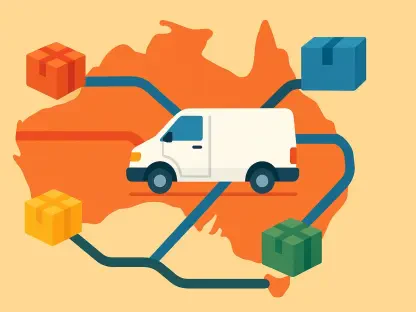
The recent climb to the second-largest freight carrier position necessitated a focus on intermodal connectivity and the integration of last-mile delivery solutions to bridge the gap between rail terminals and final consumers. Decision-makers prioritized the construction of specialized terminals for perishables and hazardous materials, ensuring that the network could accommodate a broader spectrum of industries. Partnerships with private logistics firms flourished, allowing for the creation of seamless end-to-end transportation packages that simplified the shipping process for small and medium-sized enterprises. These strategic collaborations were essential in breaking down the traditional silos between different transport modes, resulting in a unified logistical ecosystem. By investing in these collaborative frameworks, the rail authority moved beyond being a mere infrastructure provider and evolved into a comprehensive service partner that actively facilitated trade and industrial growth across the vast landscape.