
Rohit Laila is a veteran of the logistics industry with decades of experience bridging the gap between traditional supply chain management and cutting-edge innovation. As a leader passionate about how technology transforms the movement of goods, he brings a unique perspective on the integration of autonomous systems within the modern warehouse. In this conversation, we explore the rise of “Drone as a Service” and how the ZenaDrone IQ Nano is reshaping everything from inventory accuracy to worker safety through high-resolution imaging and AI-driven mapping. We discuss the technical capabilities of compact indoor drones, the seamless integration of 4K scanning into existing management systems, and the shift toward subscription-based robotics models that eliminate heavy upfront capital expenditures.
The IQ Nano is designed as a compact, agile drone specifically for indoor environments. How does its small frame navigate high-traffic aisles, and what specific obstacle avoidance sensors allow it to operate safely alongside human workers and moving heavy machinery?
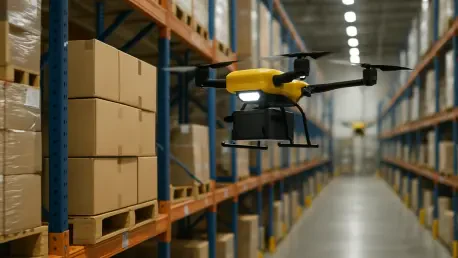
The ZenaDrone IQ Nano was engineered specifically to solve the “clutter problem” found in busy distribution centers where every inch of space is utilized. Its small, agile frame allows it to zip through narrow aisles where traditional machinery would struggle, utilizing a sophisticated obstacle avoidance system to detect human workers or heavy forklifts in its path. You can practically feel the precision as it hovers steady near racking to scan a code without ever making contact with the environment. This agility ensures that even in high-traffic zones, the drone maintains a steady flight path, preventing the types of collisions that usually lead to costly downtime or equipment damage.
Modernizing inventory management requires syncing real-time data with existing warehouse management systems. How does the 4K barcode and QR scanning technology integrate into these platforms, and what steps ensure the onboard AI accurately updates stock levels without manual intervention?
Integrating 4K imaging into a Warehouse Management System (WMS) is about more than just capturing pretty pictures; it’s about high-fidelity data capture that eliminates human error entirely. As the drone glides past pallets, the onboard AI processes the 4K barcode and QR scans instantly, feeding that information directly into the facility’s digital nervous system. This automated data flow means that as soon as a flight concludes, the dashboard reflects the absolute current state of the stock with no manual data entry involved. It effectively removes the lag time and the “fat-finger” mistakes that often plague traditional inventory audits, ensuring the numbers on the screen match the boxes on the shelf.
Using swarms of drones to scan inventory at dangerous heights can significantly reduce workplace injuries. When multiple units operate independently, how is their flight path coordination managed, and what metrics typically show the difference in speed and accuracy between drone swarms and traditional manual labor?
The use of independent drone swarms is a total game-changer for safety, especially when you consider the inherent hazards of sending workers up on lifts to scan high-bay racking. Each unit in the swarm coordinates its movements to ensure full coverage of the warehouse, covering vast areas in a fraction of the time it would take a manual crew to climb and scan. We see a dramatic leap in speed and accuracy because these drones don’t get tired or lose focus when working at heights that are unsafe for humans. The result is a comprehensive inventory count that is completed significantly faster than traditional methods, all while keeping your floor staff safely on the ground and focused on more complex tasks.
The “as a service” model offers pay-per-use and subscription options to help businesses avoid the high capital costs of drone ownership. How do these financial models handle hardware maintenance and autonomous docking station setup, and what are the cost-saving benefits for a warehouse transitioning from a manual fleet?
The “Drone as a Service” model is designed to lower the barrier to entry by replacing massive upfront capital expenditures with predictable pay-per-use or subscription fees. Under this arrangement, the burden of hardware maintenance and the setup of autonomous docking stations falls on the provider, not the warehouse operator. This means a facility can transition to an automated fleet without worrying about the technical upkeep or the longevity of the IQ Nano units. After a mission, the drones simply return to their stations to recharge autonomously, ensuring the system is always ready for the next cycle without requiring a dedicated internal team to manage the hardware.
Drone intelligence can provide centimeter-level mapping and monitor safety compliance from floor to ceiling. What is the step-by-step process for generating these detailed warehouse maps, and how does the AI identify specific workflow bottlenecks or security vulnerabilities during a routine inspection flight?
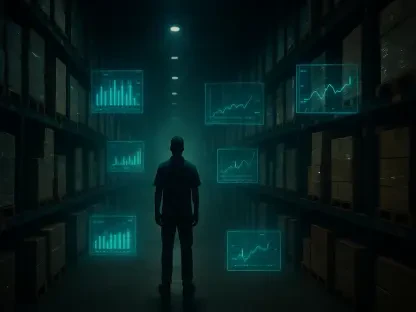
The mapping process begins with the drone’s high-resolution sensors capturing the warehouse environment from floor to ceiling to create a centimeter-level digital twin of the entire space. This detailed map allows managers to visualize the entire workspace layout with incredible precision, identifying where shelving might be better utilized or where aisles are becoming congested. The AI then layers workflow data over this map to spot safety compliance issues or physical bottlenecks that slow down the picking process during the day. By observing these patterns during routine inspection flights, the system can flag security vulnerabilities or structural wear and tear, such as roof damage, long before they become critical problems.
What is your forecast for the role of autonomous drone technology in the global supply chain over the next decade?
Over the next decade, I expect autonomous drones like the IQ Nano to become the standard heartbeat of the global supply chain, moving from a luxury to a fundamental necessity for survival. We are heading toward a future where “lights-out” warehouses are managed by swarms that handle everything from roof inspections to real-time security without any human intervention. This shift will not only drive down operational costs but will also create a more resilient supply chain that can react to inventory changes in seconds rather than days. As AI continues to evolve, these drones will move beyond just scanning and mapping to becoming proactive decision-makers that optimize every square inch of the logistics ecosystem.