
When a pitcher in a bright yellow uniform executes a perfect backflip before firing a strike, the thousands of fans screaming in the stands rarely consider the massive fleet of semi-trucks and the sprawling 100,000-square-foot warehouse that made their experience possible. This theatrical approach to baseball has captivated audiences globally, but the true masterclass lies in the logistical orchestration happening behind the dugout. The Savannah Bananas have effectively transitioned from a whimsical local sports team into a sophisticated, multi-channel retail powerhouse that operates with the mechanical precision of a global logistics firm.
This transformation represents a significant departure from the standard sports merchandising playbook. While traditional teams often treat retail as a secondary revenue stream managed by external vendors, this organization has embraced its supply chain as a core component of its identity. By managing everything from inventory forecasting to last-mile delivery in-house, the Bananas have created a “fans-first” ecosystem that prioritizes the customer experience as much as the athletic performance. This internal synergy is what allows the brand to remain relevant in a fast-paced digital landscape.
Beyond the Yellow Jerseys: The Hidden Engine of Banana Ball
The spectacle of “Banana Ball” is designed to look like effortless chaos, yet the underlying operational framework is anything but accidental. Behind the vibrant jerseys and choreographed dances is a high-stakes logistical operation that manages thousands of unique products across various sales channels. The organization has successfully leveraged its entertainment value to fuel a retail engine that moves merchandise with incredible velocity, ensuring that the brand lives in the homes of fans long after the final out is recorded.
This success is driven by a fundamental understanding of the modern sports consumer. In an age where digital engagement often dictates market value, the Bananas have used their viral moments to drive a massive direct-to-consumer business. This requires a warehouse operation capable of pivoting at a moment’s notice to meet surges in demand. The ability to synchronize these physical logistics with the digital rhythm of social media trends is the hidden engine that keeps the organization profitable and expanding into new markets every year.
Why Agile Logistics Matter: The Experience Economy
In the current experience economy, a brand is defined by every interaction a consumer has with it, including the physical act of receiving a package. The Savannah Bananas recognized early on that outsourcing their fulfillment to third-party providers would lead to a generic and disconnected journey for their supporters. By maintaining total brand control over the supply chain, the organization ensures that every touchpoint—from a website click to the unboxing of a new jersey—feels authentically aligned with their playful and energetic identity.
This control allows for a level of personalization and care that is rare in the sports world. Custom packaging, unique inserts, and rapid fulfillment times turn a standard transaction into a memorable event for the fan. This shift in focus from mere product delivery to “experience delivery” addresses a critical trend in modern business: the need for emotional connectivity. When the logistics team treats a shipment with the same level of performance as a player on the field, it reinforces the fan’s loyalty and justifies the organization’s premium brand positioning.
A Triple-Threat Distribution Model: E-Commerce, Stadium, and the World Tour
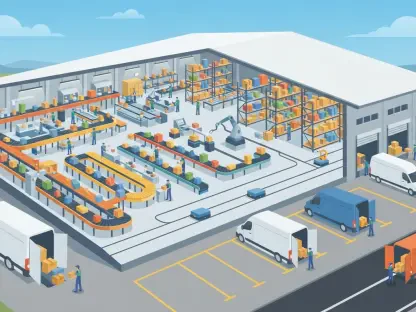
The organization manages a complex, three-pronged retail strategy that requires constant synchronization to maintain inventory health. At the center of this operation is a massive warehouse facility that serves as the nerve center for all global e-commerce fulfillment. Simultaneously, this hub must act as a replenishment center for the team’s permanent stadium store in Savannah. The fluid nature of this system allows inventory to migrate between online and physical channels based on real-time data, ensuring that popular items remain in stock where they are needed most.
The most demanding aspect of this model is the “World Tour,” which necessitates the creation of a mobile retail infrastructure. To support the tour, the team loads multiple semi-trucks with specialized road cases designed for rapid deployment. Upon reaching a new city, the crew must stand up over 20 points of sale in venues ranging from minor league parks to major league stadiums. This “pop-up” mindset requires a supply chain that is both durable and flexible, capable of handling the rigors of the road while maintaining the high standards of a permanent retail environment.
The In-House Advantage: Prioritizing Control Over Convenience
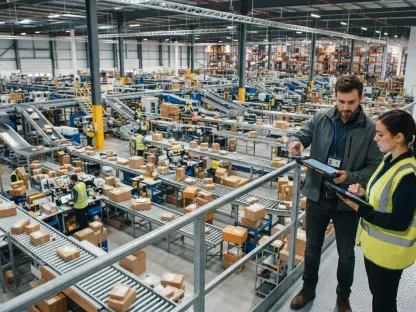
Rejecting the industry standard of third-party logistics (3PL) was a calculated move led by Tucker Robinson, the team’s warehouse and inventory director. While managing internal fulfillment is notoriously resource-intensive and logistically messy, it grants the Bananas the power to pivot instantly. In a traditional 3PL arrangement, the lead times required for new product launches or inventory adjustments are often too long to capitalize on fleeting social media trends. By owning the warehouse, the Bananas can design, produce, and ship merchandise before a viral moment fades from the public eye.
This vertical integration also provides a significant competitive advantage in terms of quality control and operational transparency. The leadership team can walk the warehouse floor and make immediate adjustments to workflows or packaging standards. This proximity between the product and the decision-makers ensures that the “fans-first” philosophy is never diluted by a third-party’s standardized processes. While many organizations seek the convenience of outsourcing, the Bananas have proven that the complexity of in-house management is a price worth paying for total brand agility.
Strategies for Scaling: High-Velocity Retail Operations
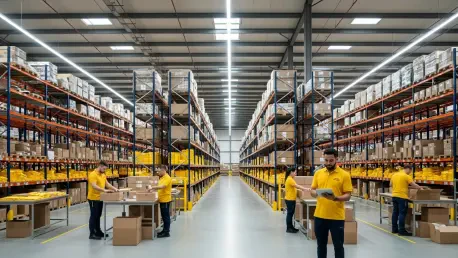
Scaling a retail operation to support multiple teams and a national tour required a total overhaul of the organization’s physical infrastructure. As the team grew from four to six separate entities, the warehouse layout was reorganized to prioritize brand identity over product category. Instead of grouping all hats or shirts together, the facility was zoned by “team brand,” such as the Bananas or their rivals, the Party Animals. This reorganization streamlined the picking and packing process, allowing staff to fulfill orders more efficiently as the complexity of the catalog increased.
Success in this high-velocity environment also requires a balance between historical data and operational readiness. The team frequently utilizes “flash sales” to test market demand and generate excitement, which puts immense pressure on the fulfillment loop. To mitigate the risk of stockouts or shipping delays, the supply chain is designed with a “pop-up” flexibility that can absorb sudden shocks in volume. This readiness allows the organization to scale its physical presence rapidly without compromising the quality of the fan experience, proving that a robust supply chain is the ultimate foundation for growth.
The Savannah Bananas transformed their logistical framework into a strategic asset that went far beyond mere shipping and receiving. By internalizing the supply chain, the organization maintained absolute control over the brand narrative and reacted with unprecedented speed to market shifts. Businesses that observed this model recognized that true agility came from vertical integration and a refusal to compromise on the customer journey. The transition from a category-based warehouse to a brand-centric operation demonstrated how physical organization influenced overall efficiency. Ultimately, the team showed that a well-oiled back-end was the only way to sustain a high-energy front-end in a competitive entertainment landscape. This approach provided a clear roadmap for any organization looking to turn its logistics into a primary driver of fan loyalty and commercial success.