
The modern distribution center operates within a high-pressure environment where every second spent walking across a sprawling warehouse floor equates to lost profit and diminished competitiveness. As consumer expectations for rapid delivery continue to escalate from 2026 to 2028, many facility operators find themselves caught between the prohibitive costs of full-scale robotic overhauls and the diminishing returns of traditional manual labor. This tension creates a critical need for accessible automation—solutions that are modular, cost-effective, and capable of being integrated into existing workflows without months of downtime. Instead of replacing the human element entirely, the most successful logistics strategies focus on augmenting worker capabilities by removing repetitive physical burdens and cognitive fatigue. By shifting the perspective from “all-or-nothing” robotics to targeted technological interventions, companies have begun to unlock significant gains in throughput while simultaneously improving the daily experience of their frontline employees.
Strategic Implementation: Transitioning from Manual Labor to Integrated Systems
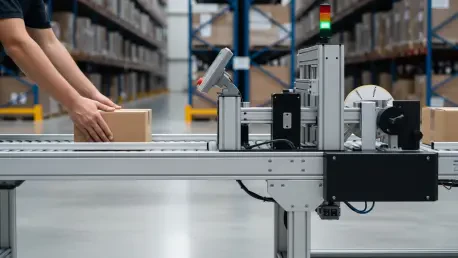
One of the most immediate ways to enhance performance involves addressing the physical movement of goods through the deployment of modular conveyor systems and gravity-fed tracks. These tools represent a low-barrier entry point into automation that effectively eliminates the non-productive “travel time” associated with workers manually transporting items from receiving docks to storage racks. Beyond simple movement, the integration of pick-to-light technology and automated labeling units provides a visual roadmap for the workforce, significantly reducing the mental load required to identify and sort diverse inventory items. By utilizing high-intensity LEDs to guide a picker to the exact bin location, these systems virtually eliminate the common errors found in manual paper-based processes. This precision ensures that order fulfillment remains both rapid and accurate, allowing staff to handle a higher volume of transactions with less stress and a much shorter training period for new hires.
The optimization of physical space further illustrates how accessible automation transforms the logistical landscape by utilizing vertical lift modules and one-dimensional pallet shuttles. These technologies tackle the challenge of “wasted motion” by bringing items directly to the operator, rather than requiring the operator to navigate narrow aisles or climb ladders to retrieve stock. When these hardware solutions are paired with a lightweight Warehouse Management System, the digital infrastructure begins to function as the central nervous system of the facility. These platforms automate task prioritization and provide real-time updates through mobile devices or wearables, ensuring that every movement made on the floor is intentional and data-driven. The shift toward digital checklists and automated inventory tracking removes the communication gaps that often plague large-scale operations. Consequently, the combination of physical assistance and digital guidance creates a cohesive ecosystem where labor efficiency is maximized through organized, predictable, and highly streamlined workflows.
As organizations evaluated the results of these incremental upgrades, it became clear that the path to sustainable growth rested on localized, scalable technology rather than massive capital expenditures. Decision-makers recognized that the most effective way to boost labor efficiency was to empower existing staff with tools that removed the friction from their daily tasks. The transition toward modular automation demonstrated that even minor investments in conveyor belts or basic software updates yielded a high return by reducing employee burnout and increasing order accuracy. Moving forward, the industry prioritized a culture of continuous improvement where automation acted as a support pillar for human ingenuity. Facilities that embraced this hybrid model positioned themselves to handle fluctuating market demands with agility and precision. Ultimately, the integration of accessible automation proved to be the most viable solution for balancing operational costs with the need for high-speed logistics in a competitive landscape, ensuring that the human workforce remained both productive and satisfied.