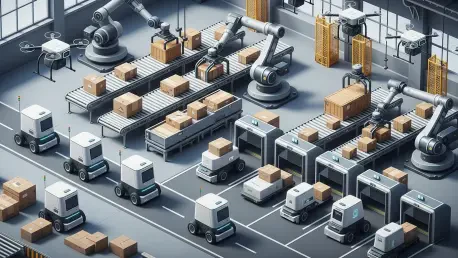

The global logistics industry is currently navigating a pivotal transformation where the speed of technological integration often outpaces the ability of the human workforce to adjust to new digital realities. Warehouses are transitioning from manual hubs into sophisticated ecosystems where algorithms manage inventory flow and personnel scheduling. Major global players are aggressively pushing toward automated decision support to maintain a competitive edge. This shift changes the very nature of frontline roles, requiring workers to collaborate with intelligent systems rather than performing isolated physical tasks.
The Rapid Rise of AI Tools and the Widening Readiness Gap
Emerging Technological Trends Reshaping Daily Logistics Operations
Systems now drive predictive forecasting and real-time routing, reacting instantly to the volatile shifts in consumer e-commerce habits. These tools offer unprecedented efficiency, yet they demand a level of technical literacy that remains rare among traditional staff. Consequently, the industry faces a critical bottleneck where the digital infrastructure is ready, but the human operators are not.
Market Projections and the Data Behind the Skills Deficit
Recent data indicates that logistics ranks among the top sectors most vulnerable to disruption through 2028. While investment in automation continues to climb, the rate of employee training remains alarmingly stagnant. This disconnect serves as a primary performance indicator for firms struggling to realize a return on their technological investments.
Addressing the Operational Obstacles of Rapid Digital Transformation
Rapid transformation often brings hidden costs, such as ballooning training expenditures and stalled system rollouts. When employees feel overwhelmed by complex interfaces, turnover rates spike, further destabilizing already thin margins. Organizations must close the readiness gap now to prevent operational paralysis during peak seasons. Finding new talent with the right blend of experience and technical savvy has become a major hurdle.
The Regulatory Landscape and Security Standards for AI in the Workplace
Regulatory bodies are introducing new safety standards for human-robot interaction to protect workers in automated environments. Data privacy remains a top priority, as ethical implementation requires transparent handling of performance metrics. Compliance with these evolving labor laws is no longer optional but a core component of long-term corporate strategy. These regulations heavily influence where companies choose to invest their capital.
Future Outlook: Innovation, Disruption, and the Upskilling Mandate
Looking ahead toward 2028, autonomous robotics will likely become the standard for last-mile delivery and heavy sorting. Human-centric innovation is emerging as a counterweight, ensuring that tech rollouts focus on enhancing rather than replacing the worker experience. Economic shifts and trade policies will continue to dictate how fast these technologies spread across global borders. High-growth areas still rely on human intuition for complex problem-solving.
Recommendations for Securing a Resilient and AI-Capable Logistics Workforce
The transition required more than just buying software; it demanded a systemic overhaul of how talent was cultivated and retained. Leaders recognized that investing early in comprehensive support programs provided a shield against the volatility of a tight labor market. Future success depended on treating workforce development as a critical infrastructure project rather than a secondary task. This proactive stance allowed the most resilient firms to bridge the human-machine divide and secure a dominant position.