
The meteoric rise of e-commerce across the Australian continent has fundamentally altered the relationship between consumers and the logistics networks that sustain their daily shopping habits, making traditional delivery models increasingly obsolete in a high-speed digital economy. As online retail participation reaches unprecedented levels from 2026 to 2028, the strain on existing postal routes has necessitated a radical rethink of how goods reach their final destination. Australia Post responded to this shift by investing in a sophisticated parcel locker network that functions as a decentralized hub for national commerce. This transition moved the industry away from rigid, home-based delivery windows toward a more flexible, user-centric model that prioritizes the schedule of the recipient. By turning a once-niche convenience into vital infrastructure, the organization has managed to maintain its relevance in an era where speed and reliability are non-negotiable for consumers.
Solving the Last-Mile Delivery Bottleneck and Ensuring Security
Last-mile delivery has long been characterized as the most expensive and complex phase of the supply chain, often resulting in significant friction for both logistics providers and their customers. Historically, the reliance on home-based delivery meant that successful handoffs were dependent on the recipient being physically present, a scenario that became increasingly rare as workforce dynamics shifted. When deliveries failed, customers were often left with the frustration of finding missed delivery cards, requiring them to make time-consuming trips to local post offices during restricted business hours. This inefficiency not only burdened the consumer but also created a backlog for postal workers who had to process and store undelivered items. By introducing a centralized locker system, Australia Post has effectively mitigated these bottlenecks, allowing for a more streamlined flow of goods that bypasses the logistical hurdles associated with individual residential stops.
Furthermore, the rise in residential package volume created an environment ripe for porch piracy, where parcels were frequently stolen directly from doorsteps before the owners could retrieve them. This security gap led to increased costs for retailers who had to replace stolen merchandise and a general erosion of trust in the online shopping experience. The implementation of a secure locker network provides a definitive solution to this problem by offering a tamper-proof environment for high-value goods. Beyond theft prevention, these lockers protect parcels from the unpredictable Australian weather, ensuring that items are not damaged by rain or extreme heat while waiting for collection. This shift toward secure, secondary locations has fundamentally changed the risk profile of home delivery, moving the liability away from the vulnerable front porch to a controlled, surveillance-backed environment that guarantees the integrity of every single transaction in the delivery lifecycle.
Expanding National Infrastructure and Enhancing Urban Living
The expansion of the parcel locker program has transformed it into a massive operation that now encompasses more than 1,400 strategically selected locations across the country. These hubs are not placed randomly; rather, they are the result of rigorous data analysis aimed at identifying the points where daily life and commerce intersect. By situating lockers in high-traffic zones such as major train stations, supermarkets, and busy shopping centers, the network has been woven into the fabric of the commuter’s routine. This placement ensures that collecting a package requires zero additional effort, as the lockers are already on the path that people take to work or while running essential errands. This geographical strategy has been essential in scaling the service to meet the demands of a growing population, providing a reliable touchpoint for millions of Australians who might otherwise find it difficult to interact with traditional services during a standard professional workday.
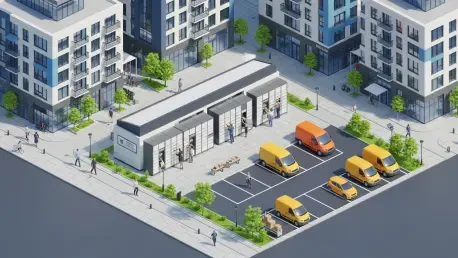
High-density urban living presents a unique set of challenges for traditional delivery services, as many modern apartment complexes and multi-story buildings lack secure foyers or dedicated concierge staff. Without a safe place to leave parcels, delivery drivers are often forced to leave items in communal areas where they are vulnerable to theft or accidental damage. Parcel lockers address this issue by serving as a secure intermediary for urban dwellers, providing a designated spot for incoming mail that is separated from the public spaces of the building. This solution is particularly beneficial for those living in city centers where foot traffic is high and the risk of loss is significantly elevated. Beyond individual security, the locker network offers substantial environmental benefits by consolidating dozens of individual deliveries into a single hub, which significantly reduces the carbon footprint and eases traffic congestion by limiting the number of delivery van stops.
Integrating Digital Technology and Designing Future Spaces
A significant part of the network’s success is rooted in its deep integration with the MyPost application and modern mobile technology. When a parcel is deposited into a locker, the recipient is immediately notified through their smartphone, receiving a unique QR code or a secure collection pin. This digital-first approach eliminates the need for physical paperwork and ensures that the collection process is both fast and contact-free, reflecting a broader societal shift toward touchless interactions. The technology behind the system allows for real-time tracking and instant updates, providing users with transparency regarding the status of their orders. In addition to convenience, the digital nature of the system serves as a shield against phishing scams. Users know that legitimate notifications and access codes will only appear within the protected environment of the official app, providing peace of mind for shoppers handling valuable retail goods or sensitive items.
Looking back at the evolution of this infrastructure, it became clear that the adoption of centralized delivery hubs represented a viable path forward for sustainable urban growth. Property developers realized that proactive integration of these systems was necessary to avoid the logistical paralysis caused by unmanaged parcel volumes. Moving forward, stakeholders identified that the most effective strategy involved collaborating with logistics providers during the early design phases of urban renewal projects. This collaborative approach ensured that locker installations were both accessible to the public and architecturally integrated into residential blueprints. Developers treated these installations as a standard amenity, comparable to a gymnasium or communal workspace. This transition successfully addressed the most pressing challenges of the last-mile cycle and provided a blueprint for nations seeking to modernize their postal networks in response to the permanent shift in consumer behavior.