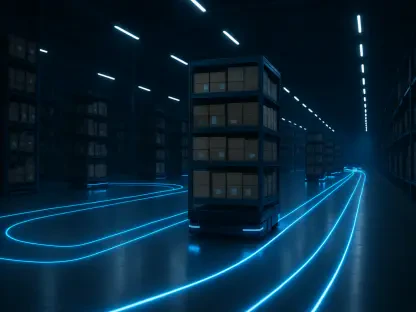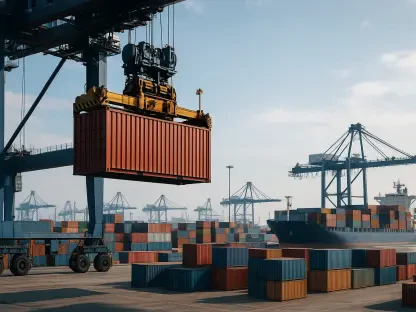

The global landscape of industrial logistics has undergone a profound transformation as autonomous technology shifts from experimental laboratory prototypes to robust, real-world deployment on airport tarmacs and factory floors. This evolution culminated in the official launch of TLD Robotics, a specialized entity within the ALVEST Group designed to revolutionize how goods and equipment move across complex environments. By centralizing decades of engineering expertise and cutting-edge software development, the company has positioned itself as a primary driver of the next industrial revolution. This development is particularly significant as industries worldwide struggle with labor shortages and the urgent need for more sustainable, efficient ground operations.
Foundations of Excellence: The Consolidation of ALVEST and EasyMile
The formation of TLD Robotics was the result of a multi-year strategic alignment between ALVEST and EasyMile, two leaders in their respective fields of ground support equipment and autonomous software. This consolidation effectively integrated the driverless technology activities of TLD with the sophisticated navigational capabilities developed by EasyMile, creating a specialized powerhouse. By merging these previously separate divisions, the ALVEST Group has removed the friction often found in third-party collaborations, allowing for a more cohesive approach to industrial automation.
Leadership within the organization recognized that the path to scalability required a single, accountable partner for global clients. Historically, the TractEasy joint venture served as a successful testing ground, proving that autonomous tractors could operate safely in structured yet dynamic environments. Now, as a unified brand, the entity provides a clear roadmap for airports and industrial sites seeking to transition away from traditional, manual operations toward fully automated ecosystems. This structural shift ensures that every aspect of the technology, from the chassis to the code, is optimized for peak performance.
Key Milestones and Technological Breakthroughs
The journey toward industrial-scale autonomy has been defined by a series of rigorous benchmarks and technological leaps. Rather than focusing on theoretical models, the team prioritized functional excellence and safety in high-traffic zones. This pragmatic approach allowed the technology to mature beyond simple pilot programs, transforming it into a reliable tool for some of the world’s most demanding logistics hubs.
Industrial-Scale Operational Footprint
The transition from experimental stages to managing over 35 global operations represents a massive leap in maturity. With 50,000 completed missions, the company has demonstrated that autonomous vehicles can function effectively in diverse weather conditions and complex traffic patterns. These operations are not merely demonstrations; they are critical components of daily workflows in ten different countries, proving that the technology is ready for the rigors of 24/7 industrial use.
The “One-Stop-Shop” Integrated Platform
By offering a unified model that combines vehicle manufacturing, specialized software, and long-term customer support, the company has simplified the adoption process for major enterprises. This integrated platform, known as XOPS, provides the supervision necessary to coordinate entire fleets of autonomous equipment from a single interface. This holistic view allows operators to manage missions, monitor safety parameters, and optimize traffic flow without needing to jump between different vendor systems.
Rapid Market Expansion and Growth
The demand for these solutions has surged, resulting in a tenfold increase in business volume as more organizations realize the benefits of automation. From 2026 to 2029, the autonomous fleet size is projected to triple annually, a rate of growth that reflects a fundamental shift in how industrial sites plan their future. This expansion is supported by an industrial backbone that includes twelve factories, ensuring that the company can meet the growing global appetite for autonomous ground support equipment.
Defining the Competitive Edge in Autonomous Solutions
What truly sets TLD Robotics apart is its ability to leverage the massive manufacturing footprint of the ALVEST Group while maintaining the agility of a software innovator. Unlike technology startups that often lack the infrastructure to support vehicles in the field, this entity provides a global maintenance network that ensures maximum uptime for its clients. This combination of “heavy metal” engineering and high-level artificial intelligence creates a product that is both physically durable and intellectually sophisticated.
Furthermore, the company remains committed to a “Leaner & Greener” philosophy, focusing on electric-powered autonomous solutions that reduce the environmental impact of industrial operations. By optimizing vehicle paths and reducing idle times through advanced algorithms, the systems help clients meet aggressive decarbonization goals. This focus on sustainability, paired with a commitment to safety, provides a competitive advantage that resonates with modern corporate values and regulatory requirements.
Current Landscape: Global Deployments and Strategic Projects
Today, the company’s technology is an active part of the infrastructure at major international hubs like Munich and Narita Airports. These deployments involve sophisticated interactions between autonomous tugs and manned aircraft, requiring a level of precision and reliability that was once thought impossible. The success of these projects has attracted a prestigious client base, including industry giants such as BMW Group, Daimler Truck AG, and Lufthansa Cargo.
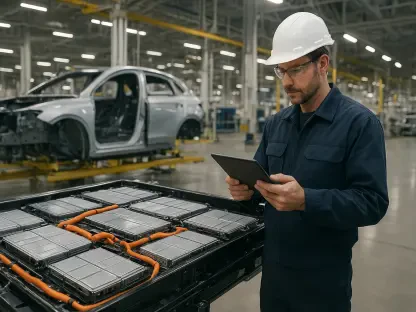
In addition to aviation, the company has made significant inroads into the industrial and manufacturing sectors. Sites operated by Bosch and John Deere utilize these autonomous systems to streamline internal logistics, moving parts and materials with a consistency that human operators cannot always match. These projects serve as a testament to the versatility of the platform, showing that the same core technology can excel in both the sprawling environment of an airport and the constrained aisles of a factory.
Reflection and Broader Impacts
Reflection
The primary strength of the current model lies in its vertical integration, which allows for rapid iteration and a tighter feedback loop between users and developers. However, the transition to autonomy is not without its hurdles, as it requires a significant cultural shift within organizations and a deep understanding of local regulatory frameworks. The challenge for the future involves maintaining this high level of safety and reliability as the density of autonomous vehicles on site increases.
Broader Impact
Beyond the immediate operational benefits, the rise of TLD Robotics addresses a critical global labor crisis by filling roles that are increasingly difficult to staff. By automating repetitive and hazardous tasks, the technology allows the human workforce to focus on more complex, value-added activities. This shift not only improves safety but also enhances the overall resilience of global supply chains, ensuring that goods keep moving even during times of labor volatility.
The Future of Autonomous Industrial Mobility
The launch of TLD Robotics redefined the boundaries of what was possible in ground support operations by merging hardware manufacturing with software innovation. This strategic move provided a scalable solution that addressed the most pressing needs of the global logistics industry, from labor shortages to environmental sustainability. Stakeholders across the aviation and manufacturing sectors found that the integration of these technologies into a single platform offered a reliable path to operational excellence. As the industry looked toward the upcoming years, the foundations laid by this entity served as a blueprint for a more efficient and resilient industrial mobility landscape. Leaders were encouraged to view autonomy not as a distant goal, but as a current standard that could be implemented to drive immediate value and long-term growth.