The relentless pressure to deliver goods faster than ever before has forced global supply chains to abandon experimental blueprints in favor of robust, execution-heavy frameworks that yield immediate returns on investment. This shift characterizes the current state of the global supply chain, where

In a market where traditional logistics often buckle under the weight of unpredictable consumer demands, the arrival of CubeVerse represents a fundamental shift from simple mechanical motion toward deep algorithmic intelligence. The industry has long relied on the brute force of hardware—more
The relentless pressure of same-day delivery mandates has pushed traditional warehouse management beyond its breaking point, necessitating a radical shift from simple mechanical storage to autonomous systems that can think for themselves. Modern logistics no longer relies solely on the physical
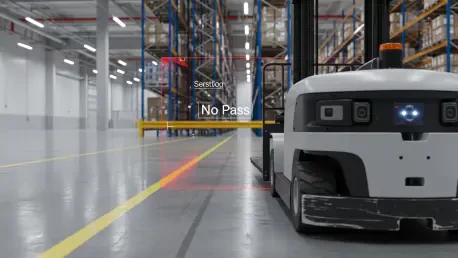
Industrial automation is currently undergoing a significant shift as the lines between traditional Automated Guided Vehicles (AGVs) and more flexible Autonomous Mobile Robots (AMRs) begin to blur. Rohit Laila, a veteran of the logistics and supply chain sector with decades of hands-on experience,
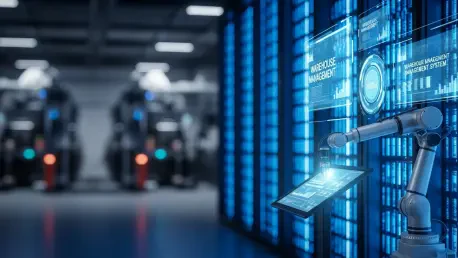
The global industrial landscape is currently navigating a high-stakes transition where the difference between a functional supply chain and a failing one depends entirely on the speed of autonomous decision-making. As Zhejiang Galaxis Technology Group Co., Ltd. makes its definitive entrance onto
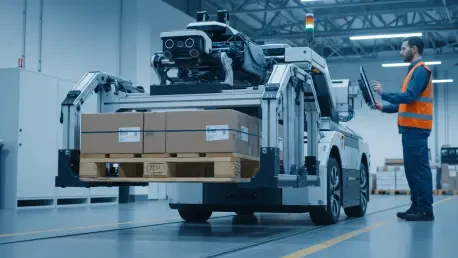
The rapid disappearance of traditional forklifts from the modern warehouse floor is not merely a trend but a fundamental shift in how global commerce manages its physical burden. This transition is fueled by the realization that human laborers spend nearly half of their shifts simply walking