
Rohit Laila brings a wealth of knowledge from decades in the logistics trenches, witnessing everything from the digital revolution to global supply disruptions. With the latest data showing a significant surge in industry activity, his perspective helps bridge the gap between raw data and the high-stakes reality of moving goods across the country. This discussion centers on the remarkable resilience of consumer spending, the strategic shift toward proactive inventory management, and the mounting pressures on warehousing and transportation infrastructure as the industry navigates a period of rapid expansion.
With the Logistics Managers’ Index recently hitting 71.1, the industry is seeing its fastest rate of expansion in years. How do you interpret this surge, and what does it feel like on the ground for those managing these complex networks?
Seeing the index climb to 71.1 is a massive signal because it marks the first time we’ve crossed that 70-point threshold since March 2022. On the warehouse floor and in the dispatch offices, you can practically feel the electricity in the air as operations shift into high gear. This isn’t just a minor uptick; it’s a significant jump from May’s 69.5, proving that the momentum is building rapidly despite the headwinds of inflation. For those of us in the field, this represents a return to a high-velocity environment where every square foot of storage and every available trailer becomes a precious asset in a very short amount of time.
There has been a notable shift from defensive inventory management to a more proactive investment strategy among larger firms. Why are retailers making this move now, and what are the risks of holding more stock in the current economic climate?
Retailers are moving away from the “wait and see” approach because consumer spending has stayed surprisingly resilient, even with the weight of inflation and slower job growth pressing down. They are aggressively replenishing inventories right now to stay ahead of the back-to-school rush and the inevitable holiday shopping madness that defines the end of the year. It’s a bold play to preposition goods, sometimes even to beat future tariff increases and lock in pricing before any potential hikes take effect. However, this proactive stance puts immense pressure on inventory costs, making the balancing act between having enough product and overextending capital a delicate and nerve-wracking process for any director.
The data highlights a tightening of warehousing capacity alongside rising utilization and prices. How are these physical constraints reshaping daily operations?
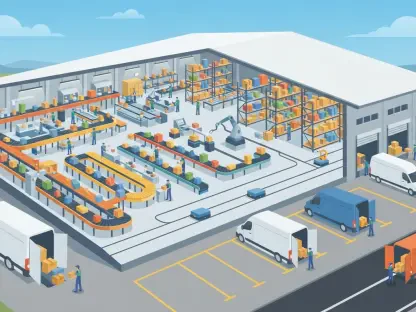
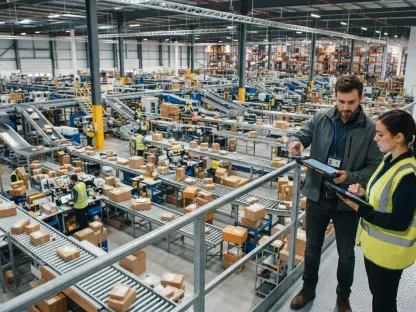
We are seeing a real squeeze where warehousing capacity is tightening so much that utilization and prices are forced upward in a relentless, daily cycle. It feels like a high-stakes game of Tetris, where logistics managers are constantly reorganizing spaces to fit every possible pallet as downstream retailers demand more room for their stock. In the transportation sector, the story is similar; strong freight demand is driving up both utilization and prices, leaving very little room for error or delay. When capacity gets this thin, you see executives scrambling to secure long-term contracts because they know that waiting even a week could mean paying a much steeper premium for the same service.
Considering the mention of inbound shipment container rates and potential tariff hikes, how are global trade policies influencing domestic logistics decisions today?
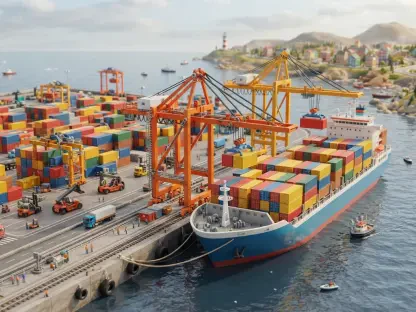
The threat of future tariff increases is acting like a ticking clock, forcing many firms to pull their inventory forward to mitigate those looming costs before they hit the bottom line. We’ve already seen how this persistent demand has sent inbound container rates climbing, which eventually trickles down through the entire supply chain and impacts domestic transport. It’s a sensory overload for supply chain planners who have to track these geopolitical shifts while managing the immediate physical movement of goods across borders. Monitoring these price increases is essential because we need to understand exactly how much of that burden will eventually land on the shoulders of the everyday consumer.
What is your forecast for the logistics industry over the next twelve months?
While the outlook for the next year points toward continued expansion, the path forward is definitely shrouded in a bit of fog due to limited capacity and ongoing trade policy uncertainty. I expect we will see firms continue to double down on innovation to squeeze more efficiency out of their existing warehouse footprints as prices remain elevated. We will likely witness a period of sustained high activity where the 50-point expansion mark is comfortably cleared, but the real challenge will be managing the sheer cost of that growth. If consumer demand holds steady, the logistics sector will remain the engine of the economy, but it will be a grueling test of endurance and flexibility for everyone involved.