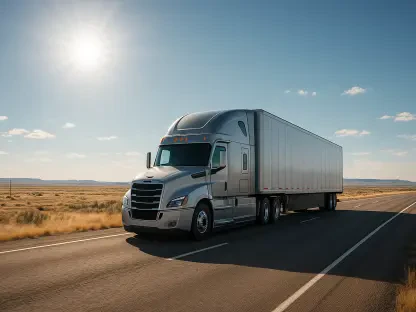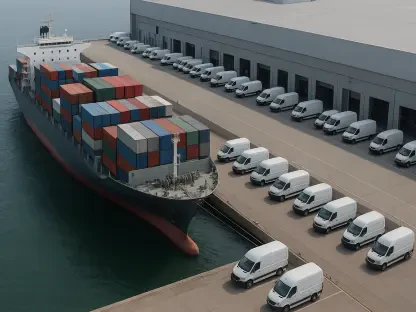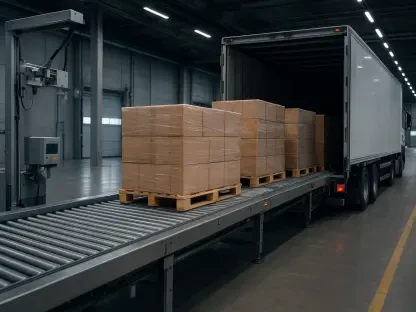

The high-stakes world of heavy-duty truck manufacturing leaves absolutely no margin for error when the primary assembly facility for vehicle cabs suddenly threatens to destabilize an entire continental production network. For Volvo Group North America, this scenario became a reality when a key supplier in Kings Mountain, North Carolina, began to struggle with the complexities of modern logistics, creating a bottleneck that jeopardized the assembly of Class 8 heavy-duty trucks and medium-duty city fleets. The facility in question serves as a vital artery for operations in Virginia and Pennsylvania, where cabs must arrive in a precise sequence to meet the demands of continuous assembly lines. If the flow of materials stalled at Kings Mountain, the impact would be felt across the entire North American market, affecting everything from over-the-road tractors to specialized vocational vehicles.
To address this critical production risk, Volvo embarked on a strategic logistics rescue mission that involved acquiring the facility and partnering with a trusted third-party logistics provider. This article explores the details of that transformation, highlighting the rapid nine-day sprint that converted an operational liability into a high-functioning distribution hub. Readers will gain insights into how Volvo and its partner, A. Duie Pyle, navigated infrastructure voids, inventory mismatches, and compliance requirements to stabilize a failing node in the supply chain. By examining the logistical frameworks and the collaborative effort required for such an overhaul, this narrative provides a comprehensive look at how an industrial giant protects its manufacturing integrity through decisive action and expert partnership.
Key Questions
Why Did Volvo Decide to Transition From a Supplier Model to Internal Logistics Management?
The shift toward internal management was driven by a fundamental failure in the existing supplier-side operations that directly threatened the continuity of Volvo’s production lines. Initially, the Kings Mountain site operated as an independent supplier within the network, but the facility struggled to manage warehouse capacity and the complex movement of materials effectively. Because the cabs assembled at this location represent the heart of the vehicle, any lag in production or inventory errors at this site created a cascading effect across Volvo’s broader market commitments. The supplier was unable to maintain the necessary cadence, and the resulting bottlenecks became a systemic risk rather than a series of incidental delays.
Recognizing that the issue required more than just external support, Volvo shifted its strategy from oversight to direct ownership by acquiring the operation entirely. This acquisition was a tactical necessity to gain full control over the warehouse and distribution frameworks that fueled their assembly plants. By bringing the facility under the Volvo umbrella, the organization could implement its own high-standard operational requirements and eliminate the friction points that had previously stalled the flow of parts. The decision transformed a supplier-management challenge into a direct internal mandate, setting the stage for a radical overhaul of the site’s logistical capabilities.
How Did the Strategic Partnership With A. Duie Pyle Enable Such a Rapid Mobilization?
In the wake of the acquisition, the urgency of the situation prevented the use of a traditional, lengthy bidding process, leading Volvo to turn to a partner with a proven track record of execution under pressure. A. Duie Pyle was selected because of their successful history managing cab storage for Volvo’s Mack Trucks operation during a previous production crisis in Pennsylvania. This existing foundation of trust was essential because it allowed both organizations to skip the initial hurdles of relationship building and move directly into the operational planning phase. The 3PL provider brought proprietary systems and a culture of transparency that aligned perfectly with Volvo’s immediate need for stabilization.
The partnership was unique because it required the logistics provider to operate outside its traditional regional footprint to manage a volatile environment. The executive leadership at A. Duie Pyle recognized that the project would require immense resources and immediate deployment, yet they accepted the challenge based on the strength of their ongoing relationship with the OEM. This collaboration allowed for a seamless transfer of logic from Volvo’s corporate requirements to the warehouse floor. By leveraging the 3PL’s expertise in rapid mobilization, Volvo was able to replace a failing supplier’s disorganized framework with a professional, data-driven system in a fraction of the time normally required for such a transition.
What Obstacles Defined the Transformation of the Kings Mountain Facility Into a Functional Warehouse?
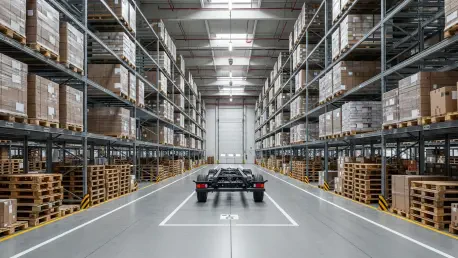
The most daunting phase of the project was characterized by a nine-day sprint to transform an essentially empty shell into a functioning logistics hub. Upon taking over the 180,000-square-foot facility, the team was met with a building that lacked the basic infrastructure necessary for modern operations, including electricity, racking systems, and automated equipment. Despite these physical limitations, the facility had to begin receiving inbound material immediately to prevent a total stoppage of the assembly lines. During the first several days, the workforce relied on manual pallet jacks to unload and stage shipments, working in an environment that was being built around them in real-time.
As power was restored to the building, the transformation progressed at a breakneck pace with the installation of complex racking systems and the integration of forklifts. The team had to simultaneously implement scanning technologies and establish internal traffic patterns while the warehouse was actively receiving parts. This required a high level of coordination to ensure that the installation of physical infrastructure did not interfere with the immediate need to sort and store incoming components. Within just nine days, the empty building was successfully converted into an operational environment that could support the continuous flow of parts necessary for cab production, effectively bridging the gap between a defunct supplier and a modernized logistics center.
In What Ways Were Inventory Discrepancies and Packaging Standards Addressed During the Overhaul?
A significant portion of the turnaround involved the monumental task of reorganizing the warehouse’s internal logic to account for mismatched part-numbering conventions and varied truck models. The original supplier’s inventory systems did not align with Volvo’s global standards, which created a high risk of errors in part picking and sequencing. To resolve this, the logistics team restructured the entire layout based on product lines and movement velocity. Fast-moving parts were relocated to the front of the facility to minimize turn times, while slower-moving components were assigned to deep-storage zones, ensuring that the warehouse functioned with maximum efficiency.
Furthermore, the team had to address significant packaging inconsistencies that plagued the inbound supply chain. Many parts arrived on non-standard or fragile pallets that did not meet Volvo’s safety requirements or fit within the newly installed racking systems. The logistics provider took on the massive responsibility of repacking these materials into Volvo-approved containers, ensuring that every item moving through the system was properly identified and protected. This process of standardizing the packaging was critical for maintaining the integrity of the materials as they moved toward the assembly line, as it allowed for more predictable handling and reduced the risk of damage during transport.
How Did Real-Time Data and Sustainability Initiatives Influence the Long-Term Success of the Operation?
Once the initial physical stabilization was complete, the focus shifted toward elevating the facility to meet Volvo’s rigorous corporate standards for data management and environmental responsibility. The team established robust Key Performance Indicators that tracked everything from repacking activity to inbound and outbound volumes, providing the assembly plant with high-fidelity visibility into its inventory. Multiple reports were generated each day to reconcile physical stock against theoretical requirements, allowing the team to identify and resolve potential bottlenecks before they could impact production. This data-driven approach matured the warehouse into a high-performance environment that could scale with the needs of the manufacturing network.
In addition to operational metrics, the project integrated sustainability into the core of the warehouse’s daily routines. Early in the transition, waste-management streams were implemented to ensure that the vast amounts of cardboard, plastic, and wood packaging generated during the repacking phase were recycled rather than sent to landfills. This commitment to environmental stewardship helped the facility achieve necessary certifications and aligned the North Carolina site with Volvo’s global sustainability goals. By combining high-speed execution with long-term compliance and data integration, the transition team ensured that the Kings Mountain facility would remain a reliable and efficient node in the supply chain for years to come.
Recap
The strategic overhaul of the Kings Mountain facility demonstrates how a critical logistics failure can be corrected through rapid intervention and the right professional partnerships. By acquiring the site and collaborating with a seasoned 3PL provider, Volvo Group North America successfully mitigated a significant threat to its truck production schedule. The project moved through distinct phases, beginning with an emergency nine-day sprint to install basic infrastructure and progressing into a complex reorganization of inventory and packaging standards. This transition not only restored the flow of materials but also improved the facility’s overall efficiency through better layout logic and standardized containers.
The long-term stability of the operation is now anchored by data-driven performance metrics and a commitment to sustainability. The implementation of rigorous KPIs and ISO standards has transformed the site into a model of operational excellence that supports Volvo’s broader manufacturing goals. For organizations looking to deepen their understanding of such transformations, exploring case studies on 3PL integration and warehouse management systems can provide further clarity. The success in North Carolina serves as a reminder that transparency, trust, and the willingness to take direct control are often the most effective tools for resolving systemic supply chain issues.
Final Thoughts
The transformation of the North Carolina logistics hub was a testament to the power of decisive corporate strategy and the value of long-term professional relationships. By moving beyond the limitations of a failing supplier, the teams involved turned a potential disaster into a high-performance asset that stabilized the production of heavy-duty vehicles across the continent. This project highlighted the necessity of flexibility, as the workforce had to adapt to changing conditions and infrastructure in real-time while maintaining the integrity of the supply chain. The blood, sweat, and tears invested during that nine-day period laid the foundation for a more resilient and transparent logistics network.
The experience at Kings Mountain encouraged the industry to consider how trust between OEMs and logistics providers can replace the traditional friction of supplier management. As manufacturing continues to face global uncertainties, the ability to rapidly mobilize resources and standardize operations will remain a competitive advantage. The project proved that even the most daunting infrastructure gaps can be bridged when communication remains open and goals are clearly aligned. Ultimately, the successful stabilization of this facility ensured that the production lines in Virginia and Pennsylvania could continue to operate without interruption, securing the delivery of essential vehicles to customers throughout North America.