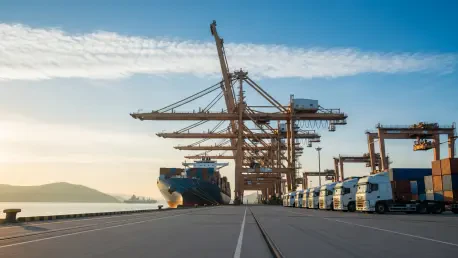

The era of effortless logistics efficiency has vanished, replaced by a landscape where every mile gained is a hard-fought victory against mounting regulatory walls and shrinking physical capacity. This transition marks the end of post-pandemic stabilization and the beginning of a period defined by constrained growth. Supply chain executives must now operate within a framework where traditional shipping routes are under constant threat and industrial infrastructure is struggling to keep pace with demand. Consequently, the focus has shifted from simple cost optimization toward the construction of high-level systemic resilience that can withstand unexpected global shocks.
Adapting to this new reality requires a departure from the reactive strategies that governed the previous decade. The current logistics environment is no longer a neutral background for business operations; it is a dynamic and often restrictive force that dictates the speed of market entry. Organizations that fail to acknowledge the shift toward localized control and increased federal oversight will find their operations stalled by bottlenecks that cannot be solved with capital alone. Navigating this era demands a sophisticated understanding of how geopolitical tensions and domestic policy intersect with the flow of physical goods.
Navigating the Era of Constrained Growth in Global Logistics
The logistics landscape has entered a complex phase where the rapid expansion of the past has been replaced by a more cautious and scrutinized recovery. This phase of constrained growth is characterized by a slow industrial rebound and persistent geopolitical instability that forces cargo into longer, more expensive routes. Executives are finding that the old playbooks for shipping and storage no longer provide the necessary safety nets. Resilience is now the primary metric of success, taking precedence over the lean methodologies that once dominated the sector.
Moreover, the environment is increasingly defined by a shift in how risk is perceived and managed. Rather than assuming that global trade lanes will remain open and affordable, logistics planners are building systems that assume disruption as a baseline. This proactive stance involves a deep integration of predictive analytics and a diversification of transportation modes to ensure that no single point of failure can dismantle the entire supply chain. The ability to pivot toward alternative strategies in real-time has become the ultimate competitive advantage.
Market Dynamics and the Rebound of Industrial Infrastructure
Emergent Trends in Warehouse Expansion and Automation Procurement
Industrial real estate is showing signs of life with new construction starts increasing by 18 percent as of mid-2026, signaling a renewed need for physical capacity. However, this recovery is not a return to the reckless expansion seen in previous cycles but rather a calculated attempt to solve specific storage bottlenecks. Companies are increasingly prioritizing facilities that can house advanced technological suites, even as the market for those very technologies undergoes a massive transition. This shift has forced a total re-evaluation of how facilities are designed, moving away from simple four-wall boxes toward integrated automation hubs.
Furthermore, the procurement of these automation systems is being funneled through a much tighter sieve than in previous years. National security requirements have significantly reduced the number of eligible technology vendors, creating a bottleneck for firms looking to modernize. While the demand for automation is at an all-time high, the actual deployment is slowed by the need to vet every component for compliance with domestic manufacturing standards. This creates a challenging environment where companies must secure physical space and technical hardware simultaneously or risk having one without the other.
Projecting Capacity and Performance Indicators Through 2027
While the recent uptick in construction is a positive indicator, total industrial volume remains significantly lower than the levels seen during the peak booms of earlier years. Projections through 2027 suggest that distribution network capacity will remain extremely tight, keeping rents high in primary logistics hubs such as Southern California and the Northeast corridor. This scarcity means that organizations must act much earlier to secure lease agreements and utilize predictive modeling to manage inventory flows more precisely.
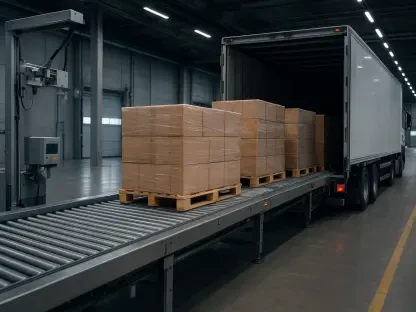
The irregular nature of international shipping schedules has led to a phenomenon known as inventory clumping, where warehouses are suddenly overwhelmed by massive influxes of goods followed by periods of relative inactivity. Managing this volatility requires a shift in performance indicators from simple throughput metrics to more nuanced capacity utilization scores. Companies that can effectively balance their space requirements with these irregular shipping cycles will be better positioned to avoid the punitive costs associated with short-term overflow storage and emergency handling fees.
Overcoming Operational Fragility in Ground and Maritime Freight
Mitigating the Financial Instability of the Trucking Sector
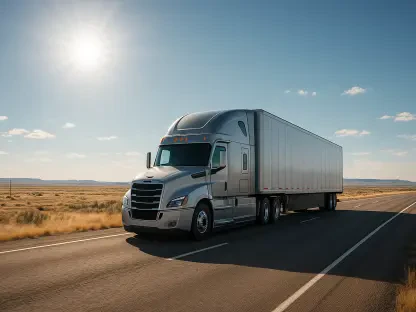
The domestic trucking market is currently navigating a state of precarious equilibrium where the cost of doing business is rising faster than revenue for many carriers. Operational expenses have climbed by 3.4 percent due to the combined pressures of fuel price volatility and the rising cost of skilled labor. This financial strain has left a significant portion of the carrier base, particularly smaller independent operators, in a fragile state. Shippers might be tempted by low spot rates, but these figures mask the underlying risk of a sudden market correction when the current excess capacity inevitably evaporates.
Strategic leaders are responding to this fragility by moving away from the volatility of the spot market in favor of secure, long-term contracts. By locking in rates and guaranteeing volumes with financially stable carriers, shippers can protect themselves from the rapid price spikes that occur when capacity tightens. This approach also fosters more collaborative relationships with drivers and carrier management, which is essential for maintaining service levels in an era where reliability is becoming more valuable than the lowest possible price point.
Managing Global Disruptions and Maritime Rerouting
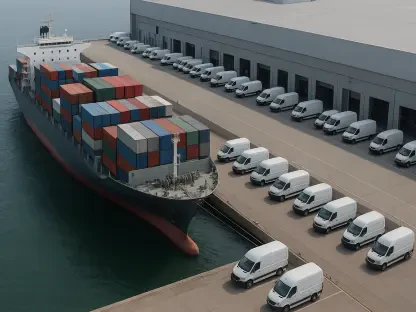
Geopolitical tensions in the Red Sea have created a new normal for ocean freight, with major carriers opting for the long journey around the Cape of Good Hope. This massive shift in maritime routing adds thousands of miles to standard voyages, effectively trapping significant amounts of working capital at sea for longer periods. The unpredictability of these routes has also decimated the reliability of traditional lead times, forcing importers to maintain higher safety stocks at their domestic distribution centers to prevent stockouts.
To overcome these maritime hurdles, firms are increasingly adopting dynamic inventory modeling that adjusts replenishment orders based on real-time vessel tracking. Diversifying port entry points has also become a critical strategy to avoid the land-side congestion that occurs when multiple rerouted vessels arrive at the same gateway simultaneously. By spreading risk across multiple ports and utilizing a mix of trans-Pacific and trans-Atlantic routes, companies can maintain a more consistent flow of goods despite the ongoing instability in major global shipping lanes.
The New Regulatory Frontier and Domestic Manufacturing Mandates
Assessing the Impact of FCC Robotics Restrictions
One of the most disruptive regulatory shifts in recent history is the Federal Communications Commission ruling that mandates domestic manufacturing for all warehouse robotics. This policy was enacted to address growing national security concerns regarding the data integrity of foreign-made automated systems. For many logistics providers, this has created an immediate procurement crisis, as the supply of American-made robotics is currently struggling to keep pace with the sudden surge in domestic demand.
The ruling has forced companies to conduct exhaustive audits of their existing and planned automation projects to ensure total compliance. Projects that were once considered ready for deployment are now being delayed as procurement teams seek out authorized components and domestic assemblers. This regulatory friction is driving up the initial capital expenditure for automation, but it is also paving the way for a more secure and standardized digital infrastructure within the American warehouse network.
Compliance and Security Standards in Modern Logistics
The regulatory landscape now extends far beyond the physical hardware of robots to the very software interfaces that manage the global supply chain. Modern compliance requires rigorous verification of all digital touchpoints, from ancillary sensor equipment to cloud-based inventory management systems. This focus on digital security is no longer an optional IT concern but a core requirement for operational continuity. Firms are now investing heavily in specialized task forces that combine legal expertise with logistics knowledge to navigate these federal mandates.
Maintaining high security standards has also become a prerequisite for participating in federal contracts and high-value commercial partnerships. Organizations that can demonstrate a fully compliant and secure supply chain are finding themselves at a significant advantage when bidding for new business. This trend is leading to a consolidation of the market, where only those with the resources to meet these stringent digital and physical security standards can compete for the most lucrative distribution agreements.
Shaping the Future of Logistics Beyond 2026
Technological Disruptors and the Innovation of Domestic Supply
The scarcity of foreign-made robotics is acting as a powerful catalyst for domestic innovation within the United States. Engineers and tech firms are focusing their efforts on developing specialized, American-made automation solutions that are specifically tailored for high-density storage and micro-fulfillment. These new systems are designed with integrated artificial intelligence that can handle the complexity of modern e-commerce orders more efficiently than the generic solutions of the past. This wave of innovation is expected to significantly lower the long-term operational costs of domestic warehousing.
Artificial intelligence is also being integrated into the core of replenishment formulas to offset the persistent unpredictability of global transit times. By analyzing vast amounts of historical and real-time data, these AI systems can predict potential delays before they occur and suggest alternative shipping routes or inventory adjustments. This level of technological sophistication is becoming the standard for any organization that hopes to maintain a high level of service in an increasingly volatile global market.
Strategic Resilience Amidst Evolving Global Conditions
The future of logistics hinges on the ability to survive and thrive in a world where cheap and easy capacity is a relic of the past. Success is now defined by the concept of network validation, which involves the constant cross-referencing of third-party capacity claims with actual construction and transportation data. This skeptical approach to supply chain planning ensures that companies are not left stranded when a provider fails to deliver on promised space or equipment.
The shift toward a proactive logistics framework also requires a fundamental change in organizational culture, moving away from short-term savings toward long-term stability. The global economic order continues to favor those who prioritize the security of their supply lines over the immediate gratification of low-cost, high-risk alternatives. As the industry moves forward, the most resilient firms will be those that have successfully integrated domestic technology with a highly diversified and flexible shipping strategy.
Building a Resilient Framework for the Coming Decade
Summary of the 2026 Logistics Outlook and Prospects
The logistics environment was characterized by a perfect storm of limited warehouse supply, heightened regulatory hurdles in the automation sector, and a financially strained transportation market. It was observed that while growth continued, it was heavily constrained by factors that rewarded agility and punished an over-reliance on legacy models. The industry recognized that the era of effortless expansion had ended, necessitating a more disciplined and data-driven approach to every aspect of the supply chain.
Analysis of the period showed that the most successful organizations were those that aggressively adapted to the new domestic manufacturing mandates and maritime rerouting challenges. The prospects for long-term growth remained strong, provided that companies were willing to invest in the domestic innovation and contractual stability required to navigate these hurdles. The transition toward a more secure and resilient network proved to be the defining characteristic of the mid-decade logistics landscape.
Strategic Recommendations for Future-Proofing Operations
To maintain a competitive edge, several key strategies were identified as essential for long-term operational health. Organizations moved toward a model of contractual hedging in the trucking sector, which provided the necessary stability to survive sudden market fluctuations. Inventory parameters were universally updated to reflect the reality of longer maritime lead times, ensuring that safety stocks were sufficient to prevent disruptions in customer service. These adjustments were not merely reactive but were part of a broader shift toward a more conservative and secure inventory management philosophy.
Furthermore, conducting comprehensive compliance audits for all future automation projects became a baseline requirement for avoiding costly project cancellations and legal challenges. Strategic thinkers also prioritized the integration of advanced predictive analytics to better manage the clumping of inventory at major ports and warehouses. Ultimately, the transition from a reactive, cost-focused model to a proactive, resilience-centered framework became the hallmark of the most successful supply chains in the modern era. Expanding the scope of network validation helped firms identify vulnerabilities in their third-party partnerships before they could manifest as critical failures.