
The industrial landscape of North America is undergoing a quiet yet profound transformation as infrastructure demands for volatile liquid transport continue to outpace existing logistical capacities. On July 2, TerraVest Industries made a decisive move to address these challenges by finalizing the acquisition of Calgary-based Superior Pressure Vessels, a firm with over four and a half decades of specialized experience. This acquisition is not merely a transaction of physical assets but a strategic absorption of technical intellectual property that focuses on the design and manufacture of equipment for volatile substances like propane and ammonia. By integrating this specialized manufacturer into its existing portfolio, TerraVest is positioning itself to lead the market in heavy manufacturing across both Canada and the United States. The move signals a broader trend toward consolidation in the energy and agriculture sectors, where the ability to manage complex pressurized vessels is becoming a critical competitive advantage in 2026.
Specialized Manufacturing and Engineering Excellence
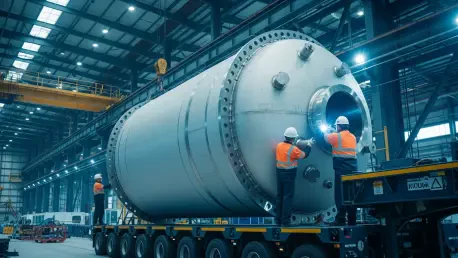
The engineering prowess brought by this acquisition extends far beyond simple container fabrication, representing a deep integration of specialized metallurgy and precision welding techniques. In an era where the transportation of hazardous materials is under constant scrutiny, the ability to produce vessels that can withstand extreme pressure cycles and environmental stress is paramount. This capability is not easily developed, requiring decades of field testing and engineering refinement to perfect. For TerraVest, incorporating these advanced manufacturing techniques into their existing operations provides a significant competitive edge in the current market. This allows for a more streamlined production process where the most effective designs are shared across the company’s various manufacturing facilities. The focus remains on high-quality output that minimizes the risk of structural failure during transport, which is a critical consideration for energy companies operating in sensitive regions.
Product Portfolio Expansion: Energy and Agriculture Solutions
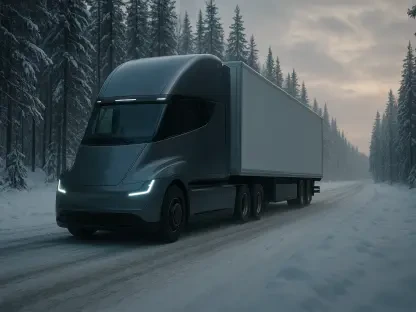
The core of this acquisition revolves around the impressive diversity of the product range that Superior Pressure Vessels has refined over the past 45 years. Their inventory is not limited to standard transport units but extends to highly specialized equipment such as small bobtails for local delivery and massive six-axle trailers designed for high-capacity long-haul logistics. These vehicles are engineered to withstand the most demanding physical environments, which is essential for operations in the energy sector where extreme temperatures and rough terrain are the norms. By acquiring this specific expertise, TerraVest gains the technical ability to execute complex engineering projects that require a deep understanding of fluid dynamics and structural integrity under pressure. This diversity allows the company to cater to a broad spectrum of clients, from small regional distributors to massive multinational energy firms that require custom solutions for their logistical needs.
Developing specialized transport for volatile liquids like ammonia and propane requires a nuanced approach to metallurgy, as these substances can have corrosive effects on standard storage materials over time. Superior Pressure Vessels has pioneered the use of specific alloy compositions that resist stress corrosion cracking, a common issue in the transport of anhydrous ammonia for the agricultural sector. This technical superiority is a key driver for TerraVest’s acquisition, as it allows the parent company to offer high-durability solutions that decrease the total cost of ownership for fleet operators. Furthermore, the ability to customize vessel wall thickness and insulation properties based on the specific cargo ensures that every trailer is optimized for both safety and maximum payload capacity. This level of granular engineering detail is what separates market leaders from generalist manufacturers, providing a level of reliability that is indispensable for high-risk industrial commodities.
Regulatory Compliance: Navigating International Standards
Safety and regulatory compliance represent the most significant hurdles in the pressurized transport industry, and this acquisition directly addresses these operational complexities. Superior Pressure Vessels has established a reputation for manufacturing products that meet the rigorous standards set by both Canadian and United States regulatory bodies, including specialized certifications for compressed-gas cargo tanks. This dual-market compliance is essential for fleet operators who manage trans-border logistics, as it ensures that equipment can transition seamlessly between different jurisdictions without requiring costly modifications or facing legal delays. TerraVest can now leverage this established regulatory track record to simplify the procurement process for its global customers, providing a level of assurance that is difficult for smaller manufacturers to replicate. This focus on adherence to strict safety protocols not only protects the end users but also enhances the corporate brand.
In the current economic climate of 2026, the efficiency of international trade depends heavily on the pre-certified status of industrial equipment, making SPV’s regulatory expertise a high-value asset. By ensuring that every vessel is manufactured to exceed both Transport Canada and the U.S. Department of Transportation requirements, the company removes a significant layer of friction from the purchasing cycle. Fleet managers no longer need to worry about secondary inspections or compliance retrofits when moving equipment between the oil fields of Alberta and the processing plants in the Gulf Coast. This streamlined approach to international standards also facilitates easier insurance procurement and lower premiums, as underwriters recognize the reduced risk profile of pre-certified, high-specification equipment. Consequently, TerraVest is now positioned to serve as a primary partner for large-scale energy firms that require a seamless fleet across their entire North American operational footprint.
Strategic Regional Influence and Industry Consolidation
The strategic rationale for this transaction is deeply rooted in the concept of asset lifecycle management, moving away from a traditional sales-only model toward a comprehensive service-oriented approach. By acquiring established players with deep regional roots, TerraVest is effectively building a decentralized network of specialized hubs that can support equipment from the initial design phase through to its final decommissioning. This strategy is particularly effective in the pressurized gas market, where the high cost of equipment dictates that fleet operators prioritize maintenance and refurbishment over frequent replacement. This approach allows the corporation to capture value at every stage of the product’s life, creating multiple touchpoints with the customer and establishing a feedback loop that informs future engineering developments. This level of vertical integration is increasingly necessary to maintain market leadership in an industry that is both capital-intensive and highly regulated.
Geographic Strategy: Dominating the Western Canadian Basin
The acquisition provides TerraVest with an unrivaled strategic advantage in the Western Canadian Sedimentary Basin, an area known for its unique logistical requirements and heavy-haul demands. In this region, high-capacity configurations like Super-B trains are the standard for efficient transport of volatile liquids, but these dual-trailer setups require a high level of engineering precision to handle extreme payloads. Having a localized manufacturing and service base in Calgary allows TerraVest to respond more quickly to the specific needs of Canadian energy producers and transport firms. This regional proximity reduces shipping costs for new equipment and ensures that service technicians are readily available to support local operations. Furthermore, the specialized knowledge required to design trailers that can withstand the harsh winter conditions of Northern Canada is a niche expertise that SPV has perfected, giving the parent company a significant lead over international competitors.
The presence of a major service hub in Calgary further solidifies this geographic advantage by providing a localized center for the mandatory five-year inspections and structural testing required for pressurized vessels. In the heavy-duty world of the oil sands, equipment is subjected to intense operational stress that necessitates a rigorous maintenance schedule to prevent downtime and ensure environmental safety. TerraVest’s ability to offer integrated repair services, including tank sandblasting, painting, and internal liner replacement, means that customers can manage the entire lifecycle of their assets within a single corporate ecosystem. This one-stop-shop model is particularly attractive to regional logistics firms that lack the internal capacity for complex structural repairs and rely on expert partners to keep their fleets on the road. By centralizing these high-value services in a key industrial corridor, the company effectively creates a barrier to entry for competitors who lack a physical presence in Western Canada.
Future Considerations: Operational Continuity and Market Evolution
Ensuring operational continuity was a priority during the transition period, which is why TerraVest opted to retain the existing workforce and management team at the Calgary facility. By keeping the former owner and seasoned staff on board, the company has successfully preserved the high-touch customer service and specialized technical culture that made SPV a leader in its field. This approach is designed to maintain long-standing client relationships and prevent the loss of institutional knowledge that often occurs during large-scale corporate mergers. The focus remains on maintaining the unique identity of the SPV brand while gradually introducing the efficiencies and resources provided by the parent organization. Industry observers are paying close attention to how this cultural integration progresses, as the ability to combine local expertise with global corporate scale will likely determine the long-term success of the acquisition in an increasingly competitive industrial market.
The integration of these specialized manufacturing capabilities necessitated a forward-thinking approach to supply chain resilience and asset management within the heavy transport sector. Stakeholders who sought to maximize their fleet efficiency recognized that the move toward consolidated service models offered a more reliable path for long-term operational success. For fleet managers, the immediate priority involved auditing existing equipment and identifying opportunities to leverage the newly expanded service network for mandatory safety certifications and refurbishments. Looking toward the future, the industry must prepare for further automation in the manufacturing process and the potential for new materials to enhance the safety of volatile liquid transport. The transaction ultimately demonstrated that technical expertise and regional proximity remained the most valuable assets in the energy logistics market. Decision-makers were encouraged to strengthen their ties with integrated providers to ensure their logistics remained compliant.