
The modern logistics landscape faces a relentless barrage from highly organized criminal syndicates that treat cargo theft not as a crime of opportunity but as a high-stakes, multi-billion-dollar business strategy. These sophisticated enterprises employ advanced surveillance techniques, cyber-infiltration, and insider information to bypass traditional security protocols that were designed for an era of simple physical barriers. Gone are the days of the lone opportunist cutting a padlock; today’s thieves leverage data analytics and real-time tracking to intercept high-value shipments of electronics, pharmaceuticals, and luxury goods at their most vulnerable points. The resulting financial impact extends far beyond the loss of physical inventory, as companies grapple with soaring insurance premiums, brand reputation damage, and severe disruptions to manufacturing schedules. This systemic threat requires a fundamental shift in how the industry views protection, moving from isolated corporate defenses toward a more integrated, intelligence-driven framework.
Collaborative Leadership: Strengthening Supply Chain Defense
Establishing a Unified Regional Response
In late 2025, the logistics industry witnessed a pivotal shift with the official mobilization of the Northeast Cargo Security Council, an organization designed to dismantle the silos that historically hindered effective law enforcement response. Within just six months of its inception, the council successfully recruited over 200 members, ranging from global freight forwarders and regional trucking fleets to state and federal authorities. This rapid growth underscores the desperation for a coordinated defense mechanism that can match the agility of modern criminal networks. By fostering a collaborative ecosystem, the council has transformed cargo security from a nebulous corporate concern into a tangible, operational priority that emphasizes shared resources. This unified front serves as a deterrent by signaling to criminal groups that an attack on one member is an attack on the entire regional network. The primary goal is to close the intelligence gaps that thieves have exploited for years.
Cultivating a Culture of Information Sharing
Leadership within the council advocates for a culture of radical transparency, arguing that the competitive nature of the logistics industry should never compromise the collective safety of the freight itself. Traditionally, companies were hesitant to report near misses or internal security breaches for fear of reputational harm, but the council provides a secure environment for such disclosures. This intelligence-sharing model shifts the industry’s posture from a reactive, post-mortem investigation style to a proactive, predictive stance that identifies threats before they materialize. By analyzing patterns of suspicious activity reported by diverse members, the council can issue real-time alerts that allow shippers to reroute high-risk loads or enhance physical security at specific transit points. This evolution toward pre-incident communication ensures that the entire logistics community benefits from the hard-earned lessons of individual companies and competitors.
Analyzing Risks: Geographic and Structural Vulnerabilities
Addressing Vulnerabilities in the Northeast Corridor
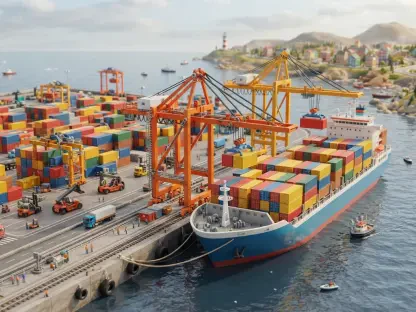
The strategic importance of the Northeast corridor cannot be overstated, as it represents one of the most densely populated and commercially active regions in the world, featuring a complex web of ports and hubs. This concentration of infrastructure creates a target-rich environment for sophisticated theft rings that specialize in high-velocity retail replenishment and critical pharmaceutical distribution. The sheer volume of freight moving through states like New Jersey, New York, and Pennsylvania provides ample cover for criminal elements to blend into the daily flow of commerce. Because the region serves as a gateway for international imports, the stakes are exceptionally high; a single major theft can disrupt consumer availability for weeks across the entire Eastern Seaboard. No single shipping entity or local police department possesses the comprehensive resources needed to monitor every link in this sprawling network effectively. Regional cooperation has become a functional necessity.
Managing Complexity in Global Supply Networks
Beyond geographic density, the increasing structural complexity of modern global supply chains has inadvertently created a multitude of new attack surfaces for professional thieves to exploit. The rise of layered outsourcing and the reliance on third-party logistics providers mean that a single shipment might change hands several times before reaching its final destination. Each hand-off point—whether a temporary storage yard, a transload facility, or a regional distribution center—represents a potential vulnerability that criminal organizations are expertly trained to identify. Furthermore, the relentless pressure for rapid fulfillment and same-day delivery often forces logistics managers to prioritize speed over stringent security protocols, creating windows of opportunity for theft. These structural shifts demand a comprehensive view of the entire logistics ecosystem, where security is integrated into the design of the supply chain rather than added as an afterthought to existing transport processes.
The Digital Shift: Evolving Industry Security
Adapting to Evolving Theft Methodologies
The digitalization of commerce has profoundly altered the landscape of cargo theft, as criminal groups now leverage social media platforms and encrypted messaging apps to liquidate stolen goods with unprecedented speed. This ease of monetization has incentivized a surge in fraud-heavy theft methodologies, where criminals use identity theft and fictitious pickups to steal entire trailers without ever breaking a lock. This evolution has transformed cargo security into an enterprise-wide risk management issue that requires the active participation of departments ranging from IT and procurement to legal and compliance. It is no longer sufficient to focus solely on physical locks and GPS trackers; organizations must now implement robust digital vetting processes and cyber-defenses to protect their freight. The council has responded by integrating technology experts into its working groups, ensuring that members are educated on the latest scams and social engineering tactics used by syndicates.
Implementing a Resilient Continental Defense Strategy
The resurgence of regional cooperation through the council successfully filled a critical void in the industry, proving that localized peer-to-peer networking remained the most effective tool for prevention. By focusing on operationally meaningful programming and real-time data exchanges, the organization provided members with the actionable insights necessary to harden their defenses against an ever-shifting enemy. Stakeholders recognized that the path forward required a commitment to continuous education and the adoption of standardized security protocols across all logistical partners. The lessons learned in the Northeast established a blueprint for other regions to follow, suggesting that a continental strategy was the logical next step in securing the North American supply chain. Future efforts focused on the integration of artificial intelligence for predictive threat modeling and the expansion of cross-border partnerships to track stolen goods globally. The industry moved toward a proactive and unified stance.