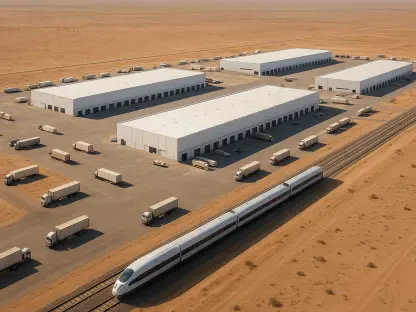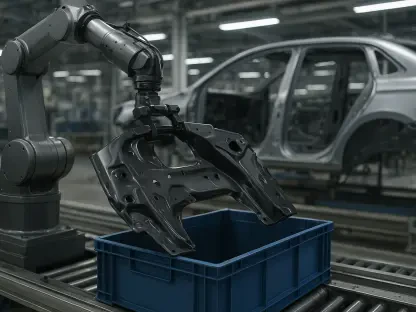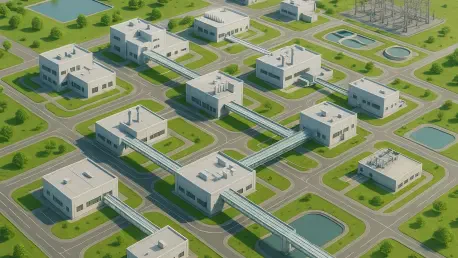

The silent transformation of concrete and steel into intelligent networks has fundamentally redefined Mexico’s position within the global trade hierarchy during this current period of intense regional integration. Rather than functioning as mere landlords providing basic warehouse shells, the country’s industrial park operators transitioned into active architects of the North American supply chain. This shift reflects a broader move away from simple cost-savings toward a sophisticated strategy focused on proximity, technical capability, and operational resilience.
The current landscape is characterized by a high degree of integration where the physical boundaries of a park are less important than the digital and logistics connections they facilitate. As global firms look for stable alternatives to distant manufacturing centers, the role of these parks has expanded to include the curation of entire industrial ecosystems. This evolution is not just about real estate; it is about the creation of specialized hubs that can support the most demanding technical requirements of the modern era.
The Structural Evolution of Mexico’s Manufacturing Landscape
The transition from traditional real estate to sophisticated supply chain platforms represents a fundamental change in the Mexican manufacturing identity. Historically, industrial parks served as simple destination points for assembly, but the current model emphasizes “industrial intelligence” to drive deeper value. The Mexican Association of Private Industrial Parks (AMPIP) has been central to this transformation, pushing for parks to adopt advanced data tools and connectivity standards that match global benchmarks.
With 477 operating parks and over 100 new projects currently under development, the scale of North American industrial integration has reached unprecedented levels. These projects are no longer generic; they are being built with specific sectors in mind, ranging from heavy automotive assembly to delicate electronics. This shift toward regional manufacturing is driven by a collective realization that supply chain resilience is more valuable than the marginal savings of overseas labor, especially as lead times and logistics costs remain volatile.
Digital Intelligence and Data-Driven Market Expansion
Digital tools now dictate how new investments are identified and secured across the country’s industrial corridors. The implementation of the “Radar Industrial” platform allowed park operators to move beyond reactive marketing to a proactive mapping of value chain deficiencies. By analyzing real-time data on import flows and production gaps, developers can pinpoint exactly which tier-2 or tier-3 suppliers are missing from the local ecosystem and target them for recruitment.
The “Diálogos de Futuro Industrial” initiative further solidified this approach by fostering a culture of constant communication between park owners and corporate tenants. This initiative helped move the industry away from the old landlord-tenant dynamic and toward a collaborative model of ecosystem building. By identifying the specific needs of high-value sectors, parks have become magnets for specialized firms that provide the essential components and services required by major original equipment manufacturers.
Emerging Trends in Proactive Supplier Recruitment and Regionalization
Specialized tiers of the manufacturing sector, particularly in high-value sensors and semiconductors, are now the primary focus of recruitment efforts. Industrial parks are designing specific zones with the cleanroom environments and stable power profiles required for semiconductor assembly and electric vehicle battery material processing. This targeting ensures that the entire value chain is contained within a regional cluster, reducing the risk of external disruptions.
Beyond electronics, significant shifts occurred in aerospace metallurgy and biotechnology infrastructure. Parks are increasingly hosting specialized facilities for precision casting and forging, as well as complex cold-chain logistics hubs. These technological advancements allow Mexico to handle the most sensitive and technically demanding parts of the production process, moving the country beyond its traditional role in the final assembly stage of manufacturing.
Market Projections and the $15.7 Billion Purchasing Opportunity
The scale of the current opportunity is reflected in the millions of square meters currently under construction across various industrial corridors. Performance data from the National Auto Parts Industry (INA) indicates a massive $15.7 billion purchasing requirement for components that are currently imported but could be produced locally. This gap represents a clear roadmap for investment, as park developers align their growth strategies with these untapped requirements within the North American trade bloc.
The 2026 USMCA review is acting as a major catalyst for these regional investments, providing the regulatory clarity needed for long-term capital commitments. Economic forecasts for the period from 2026 to 2028 suggest that the integration of tier-2 and tier-3 suppliers will be the primary driver of industrial growth. As companies seek to maximize the benefits of the trade agreement, the demand for sophisticated, well-located industrial space is expected to remain at record levels.
Infrastructure Bottlenecks and Operational Resilience
Despite the rapid expansion, the industry faces significant challenges related to the availability of electricity, water, and specialized logistics connectivity. Corporate tenants no longer view rent prices as the primary factor in their location decisions; instead, they prioritize grid reliability and business continuity. A park that cannot guarantee a consistent supply of clean energy or reliable water access is effectively obsolete in the eyes of a high-tech manufacturer.
Addressing these shortages requires a coordinated strategy for overcoming regulatory uncertainty and logistics bottlenecks in the most congested corridors. Developers are increasingly investing in their own decentralized energy solutions and water treatment plants to ensure operational resilience. Moreover, the focus has shifted toward developing a highly skilled talent pool, as the advanced manufacturing clusters of today require technical expertise that goes far beyond traditional labor requirements.
The Regulatory Landscape and the USMCA Framework
The current 2026 USMCA review process is instrumental in shaping the cross-border industrial standards that parks must follow. Compliance with global sustainability and Environmental, Social, and Governance (ESG) mandates is no longer optional for industrial park operators. International tenants require proof of carbon footprint reduction and ethical labor practices, making ESG compliance a critical competitive differentiator in the race to attract top-tier global corporations.
Security measures and real-time tracking have also become standardized requirements for any modern facility. Meeting the digital and physical safety needs of international tenants involves integrating advanced surveillance and cybersecurity protocols into the park’s infrastructure. Furthermore, there is a constant effort to harmonize local utility regulations with the technical needs of high-tech manufacturing, ensuring that the legal framework supports rather than hinders industrial modernization.
Future Horizons for Integrated Industrial Partnerships
The rise of automated hubs and the digitalization of “just-in-time” supply chains is redefining the physical layout of industrial developments. Future parks are being designed as “smart” environments where autonomous vehicles and robotic sorting systems are integrated into the core infrastructure. This level of digitalization allows for a much more responsive supply chain, making Mexico a highly resilient alternative to the traditional Asian-centric production models of the past.
Emerging growth areas are also appearing in specialized tubing, semiconductor assembly, and maintenance, repair, and overhaul (MRO) services. These sectors represent the next frontier of Mexico’s industrial maturation, requiring even higher levels of technical sophistication and specialized park services. As geopolitical shifts continue to push global value chains toward North America, the long-term investment in these integrated partnerships will likely provide the foundation for sustained economic stability.
Synthesis of Mexico’s Competitive Path Forward
The transition from a manufacturing destination to an integrated industrial partner was finalized by the industry’s commitment to intelligence-led investment. Stakeholders prioritized the development of specialized infrastructure that supported high-tech tiers rather than focusing on volume alone. This shift ensured that the domestic industrial ecosystem matured in a way that addressed the specific needs of the automotive, aerospace, and semiconductor industries. The maturity of these systems demonstrated that physical space was only the beginning of a successful industrial strategy.
Future considerations for the industry must include the diversification of energy sources and a massive expansion of technical education programs to maintain the current momentum. The successful integration of tier-2 and tier-3 suppliers required a stable regulatory environment that rewarded long-term commitments to the region. Moving forward, the focus should remain on upgrading digital connectivity and sustainability practices to ensure that the North American supply chain remains competitive on a global scale. The resilience established during this period proved to be the most critical asset for the country’s industrial future.