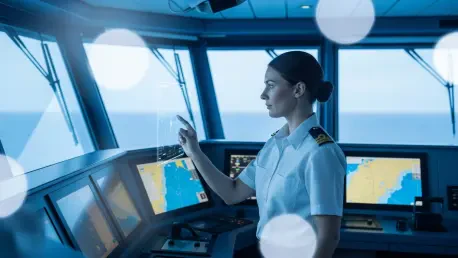

The dramatic expansion of India’s maritime sector has been characterized by a staggering surge in female participation, marking a definitive end to the era where seafaring was viewed exclusively as a male pursuit. This rapid diversification reflects a sophisticated alignment between government policy and the evolving demands of global trade, ensuring that the nation remains at the forefront of the blue economy. As the shipping industry grapples with labor shortages and the need for specialized technical expertise, the influx of skilled women has provided a vital solution. These professionals are navigating complex logistics and operating sophisticated machinery on state of the art vessels, demonstrating high levels of competence and resilience. The transition has been supported by a cultural shift within coastal communities and a growing recognition of the career longevity offered by maritime roles. By integrating more women into the deck and engine departments, India is effectively doubling its potential talent pool and setting a global benchmark for nautical inclusivity.
Structural Changes in Maritime Governance
Policy Frameworks Driving Inclusion
The Directorate General of Shipping has implemented comprehensive guidelines that prioritize the safety and well being of female seafarers, creating a regulatory environment that encourages long term participation. Central to this progress is the Maritime India Vision 2030, which laid the groundwork for increasing female representation through targeted recruitment drives and scholarships. These programs have successfully lowered the financial barriers that previously prevented many aspiring female officers from entering prestigious maritime academies across the country. Furthermore, the introduction of gender sensitization modules for all crew members has fostered a more respectful and professional atmosphere aboard commercial ships. This systemic approach ensures that the increase in numbers is matched by a corresponding improvement in the quality of the workplace experience. By standardizing these practices, the government has sent a clear signal that the maritime industry is open to all qualified individuals regardless of gender.
Safety Standards and Workforce Retention
Beyond policy, the establishment of dedicated help lines and grievance redressal mechanisms has provided a necessary safety net for women working in remote oceanic environments. The maritime administration has also collaborated with international bodies to align domestic standards with global best practices regarding maternity leave and flexible career paths. Such measures are crucial because they address the specific logistical challenges that female seafarers face during different stages of their professional lives. Ship owners and operators are now required to provide adequate facilities that accommodate a diverse crew, ranging from private quarters to appropriate personal protective equipment. These physical and administrative changes have collectively dismantled the structural barriers that once deterred women from pursuing careers at sea. Consequently, the industry is seeing higher retention rates among female officers, who now view seafaring as a viable and sustainable lifelong career choice.
Education and Corporate Synergy
Modernized Training for a Digital Era
The modernization of maritime education has played a pivotal role in preparing a new generation of female professionals for the complexities of automated shipping and green propulsion. Modern training facilities now utilize advanced bridge and engine room simulators to provide cadets with hands on experience in a controlled environment before they ever step onto a vessel. This technological focus has leveled the playing field, as technical proficiency and analytical skills become more important than physical strength in the operation of contemporary ships. Female students have consistently excelled in these digital environments, often outperforming their peers in navigation and systems management courses. Educational institutions have also revised their curriculums to include emerging topics such as cybersecurity and environmental compliance, which are critical for the future of the industry. By focusing on these high demand skills, maritime academies are ensuring that their female graduates are highly competitive in the global job market.
Strategic Directions for Lasting Equity
The surge in the female maritime workforce reflected a fundamental realignment of the industry, where institutional support and individual merit converged to create new economic opportunities. Government bodies and private stakeholders successfully collaborated to remove historical obstacles, ensuring that the maritime sector benefited from a more diverse and skilled labor pool. This transformation was characterized by a significant investment in specialized training and the enforcement of rigorous safety standards that protected all seafarers. To build upon this success, stakeholders must now focus on expanding career development pathways that allow female officers to transition into shore based leadership roles seamlessly. Establishing a formal network of maritime professionals can provide the mentorship and advocacy needed to break the remaining glass ceilings in senior executive positions. It is also imperative to continue investing in research that explores the impact of diversity on operational efficiency to provide data driven support for further inclusion.