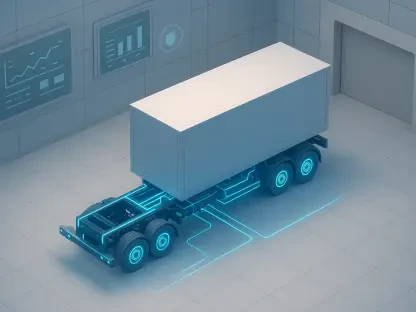

The global logistics industry is undergoing a radical shift as artificial intelligence transitions from an experimental novelty into the core nervous system of modern fleet operations, reshaping how commercial vehicles interact with the environment and human drivers. Gone are the days when fleet management relied solely on reactive data and manual logs; today, the integration of deep learning algorithms allows for a proactive approach that anticipates risks before they materialize on the highway. Companies are now leveraging high-speed processing to analyze thousands of data points per second, ranging from engine performance metrics to real-time traffic patterns and weather conditions. This evolution is driven by the urgent need to reduce operational costs while meeting stringent safety regulations and ambitious carbon neutrality targets. By embedding AI into the fabric of telematics, managers are gaining visibility into assets, ensuring every mile driven is safer and more efficient.
Maximizing Operational Safety Through Advanced Machine Learning
Real-Time Risk Mitigation: Driver Behavioral Analysis
Current implementations of Computer Vision and Edge AI in dashcams have fundamentally changed the nature of driver coaching by providing instantaneous feedback on dangerous behaviors such as distracted driving or sudden braking. These sophisticated systems utilize neural networks to distinguish between a driver checking a side mirror and one glancing at a smartphone, triggering immediate in-cab alerts that prevent collisions in real time. Beyond simple alerts, the data gathered over thousands of miles creates a comprehensive profile of driver performance, allowing fleet managers to tailor training programs to specific needs rather than applying a one-size-fits-all approach. This granular level of insight has led to a significant reduction in accident frequency across major logistics corridors from 2026 to 2028, as predictive models identify high-risk drivers before an incident occurs. Insurance providers are now offering tiered premiums based on the verified use of these AI-driven safety protocols.
Automated Intervention: Collision Avoidance Technology
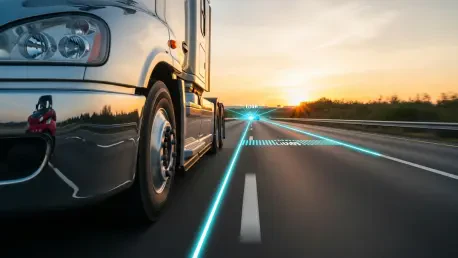
Building on the foundation of behavioral monitoring, AI also plays a critical role in collision avoidance systems that interact directly with vehicle hardware to provide an extra layer of protection for all road users. Modern trucks are now equipped with autonomous emergency braking and lane-keeping assistance that use AI to process lidar and radar data with millisecond precision, effectively acting as a digital co-pilot that never suffers from fatigue. These systems are particularly vital during long-haul night shifts where human reaction times naturally decline due to circadian rhythm shifts, providing a safety net that operates with constant vigilance. Moreover, the integration of Vehicle-to-Everything (V2X) communication allows AI systems to anticipate the movements of other connected vehicles and infrastructure, creating a shared awareness that minimizes the impact of blind spots. This collaborative safety environment ensures the AI can orchestrate safe maneuvers that are impossible for a human operator alone.
Achieving Decarbonization Goals: Intelligent System Integration
Strategic Optimization: Fuel Efficiency and Routing
The pursuit of sustainability in the transport sector is no longer just about switching fuels but involves the sophisticated optimization of every journey through AI-driven route planning software. Unlike traditional GPS systems that suggest the shortest path, these intelligent platforms analyze historical traffic data, terrain gradients, and even wind resistance to calculate the most fuel-efficient trajectory for heavy-duty vehicles. By minimizing unnecessary idling and avoiding congested urban centers during peak hours, AI-powered routing has demonstrated the ability to reduce carbon emissions by up to fifteen percent without requiring any changes to the physical fleet. This approach naturally leads to a more streamlined supply chain where delivery windows are met with higher precision, reducing the overall energy footprint of the logistics network. Furthermore, the ability of AI to dynamically reroute vehicles in response to weather events ensures that fuel is never wasted on inefficient and costly detours.
Future Resilience: Infrastructure and Cultural Shift
The integration of artificial intelligence into fleet management necessitated a shift in organizational culture toward data-centric decision-making and continuous technical training for all personnel. Leaders who embraced these changes recognized that the synergy between human expertise and machine intelligence was the most effective way to achieve long-term resilience in a competitive market. Moving forward, the focus shifted toward establishing standardized data protocols that allowed for better interoperability between different AI platforms and vehicle manufacturers. Companies that invested in robust cyber-security measures alongside their AI implementations successfully mitigated the risks associated with increased connectivity and digital reliance. Ultimately, the industry moved toward a model where safety and sustainability were no longer viewed as separate goals but as integrated outcomes of a digital strategy. This transition provided the framework for a sustainable logistics ecosystem that prioritized environmental health through technology.