
The global landscape of commerce has undergone a radical transformation where the primary objective is no longer just cost reduction but the creation of an impenetrable shield against market instability. This fundamental shift, often referred to as a strategic reset, marks the end of an era defined by reactive, crisis-driven decision-making that previously hampered growth and predictability. Leaders are now prioritizing proactive, data-centric resilience to manage the complexities of modern disruptions, including geopolitical shifts and escalating environmental pressures. By moving away from over-extended global networks, organizations are establishing localized, high-visibility hubs that offer greater control over every stage of the production cycle. This transition emphasizes transparency and structural integrity as the core components of a sustainable business model. The industry is effectively building a more stable foundation that values reliability over the short-term gains of yesterday.
Transitioning to Regional Resilience and Localized Logistics
Strategic Manufacturing: Shifting Hubs and Network Visibility
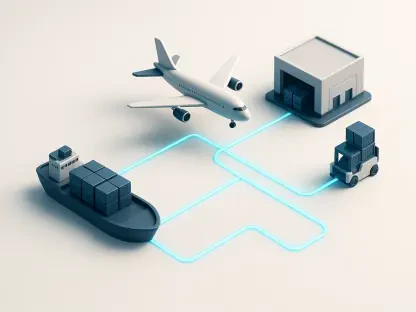
The trend of regionalization has successfully transitioned from a theoretical corporate goal into a realized operational change for the vast majority of global firms currently in operation. To mitigate the significant risks associated with sudden trade barriers and ongoing political instability, companies are actively dismantling traditional linear supply chains in favor of diverse footprints. These manufacturing bases are being relocated to strategic regions such as Mexico and various parts of South Asia to ensure proximity to primary markets and reduce transit times. This massive shift is being heavily supported by multi-billion dollar investments in advanced network mapping technology to achieve total transparency across entire sourcing systems. Such a high level of granular visibility allows organizations to finally move past the era of constant crisis management and enter a much more stable, predictive mode of daily operation that protects against unforeseen market shocks.
Beyond simply moving factories, this regional focus involves a comprehensive rethink of how raw materials are sourced and how sub-assemblies are managed across different geographic borders. Organizations are now utilizing sophisticated digital twins to simulate various disruption scenarios, ensuring that their new regional hubs can remain functional even when certain corridors are blocked. This approach has led to a noticeable decline in the reliance on single-source suppliers, which was a major vulnerability just a few years ago. By fostering local ecosystems of suppliers, businesses are not only reducing their carbon footprints but are also gaining the agility needed to respond to sudden shifts in consumer demand. The move toward decentralization is creating a more fragmented yet robust global network where the failure of one node no longer threatens the integrity of the entire system. This evolution represents a permanent departure from the old model of global efficiency.
Delivery Excellence: Micro-Fulfillment and Logistics Pressures
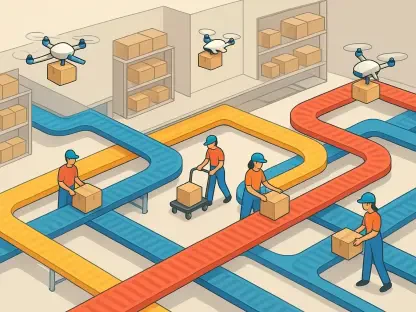
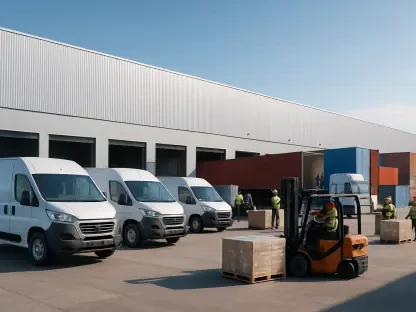
Fulfillment strategies are simultaneously becoming more localized to meet the rapidly increasing demand for delivery speed within the global ecommerce sector. The industry is decisively moving away from the previous model of operating massive, centralized warehouses in favor of a distributed network of smaller hubs located much closer to end consumers. This strategy marks a profound shift in corporate priorities, where the quality and speed of last-mile delivery are now viewed as more essential for maintaining customer loyalty than achieving the lowest possible operational cost. Most businesses are currently expecting to significantly expand these localized networks to maintain a competitive edge in an increasingly crowded marketplace. This micro-fulfillment approach facilitates same-day delivery windows in major metropolitan areas, reflecting a new standard of service that modern consumers have come to expect as a baseline.
Despite these structural improvements to the network, the logistics industry is currently facing record-high levels of operational pressure that threaten to erode profit margins. In the United States, a combination of extreme market volatility and more frequent severe weather events has forced logistics firms to prioritize fleet stability and rigorous preventative maintenance schedules. While keeping vehicles on the road is absolutely essential for avoiding unplanned downtime, it comes at a significant and growing financial cost to the provider. Maintenance expenses and insurance premiums are rising steadily due to the increased complexity of modern heavy-duty vehicles and the higher risks of navigating congested transit corridors. This creates a challenging environment where providers must balance the need for speed with the harsh realities of equipment longevity and the rising price of maintaining a reliable transport fleet across vast distances.
Modern Challenges: Infrastructure and Digital Security
The cold chain sector is also experiencing a period of significant recalibration as it deals with a temporary oversupply of storage space and changing consumer dietary trends. After several years of aggressive growth, vacancy rates for temperature-controlled facilities have reached record highs, leading to a decline in new construction. However, long-term demand remains strong, particularly from the pharmaceutical sector and e-grocery providers. This has triggered a “flight to quality,” where occupiers seek automated facilities that offer better efficiency than older sites. Concurrently, the widespread use of GLP-1 weight-loss medications is altering food consumption patterns, resulting in a decrease in the overall volume of calories moved through the supply chain. Logistics providers must now adapt to handle lower volumes while managing an increased demand for fresh, high-protein items. These shifts require more precise temperature controls and faster turnover rates to ensure quality.
On the digital front, the focus has shifted from the excitement of the artificial intelligence revolution to the urgent need for enhanced cybersecurity across the network. While AI is used for specific tasks like labor management, many operational leaders remain skeptical about its ability to solve broad supply chain issues in the near term. Instead, cybersecurity has become the top priority for business continuity, as cyber incidents are now viewed as a greater threat than geopolitical instability. Companies are investing in systems that allow for immediate response times to protect their increasingly digital and interconnected infrastructures from malicious actors. Larger firms are mandating strict protocols for all partners, creating a tiered system of digital trust that is essential for operational integrity. This evolution ensures that even as the supply chain becomes more complex and data-driven, it remains shielded from the vulnerabilities inherent in a globalized digital ecosystem.
Securing Operational Continuity: A Forward Perspective
The strategic pivot toward regional resilience proved to be the defining characteristic of the logistics industry as it navigated the complexities of the mid-decade market. Decision-makers successfully moved away from the fragile globalism of the past, opting instead for a model that prioritized structural visibility and local agility. This transition allowed organizations to build a more predictable foundation, even as they faced shifting consumer habits driven by weight-loss medications and a new focus on cybersecurity. To maintain this progress, firms must now prioritize the integration of zero-trust digital architectures and the expansion of automated cold storage facilities to handle high-protein food volumes. The industry adopted a more cautious approach to technology, focusing on digital safety and fleet stability rather than unproven hype. By reinforcing the physical and digital infrastructure of the supply chain, leaders established a framework that was better equipped to handle volatility and ensure long-term stability.