
Head of Operations David Idiege emphasizes that the recently launched control room functions as a preventive safety architecture rather than a punitive tool for policing staff. This strategic initiative, centered at the Ibese headquarters, represents a fundamental shift in how large-scale haulage is managed within the Nigerian logistics corridor. By establishing a centralized hub for real-time monitoring, the organization addresses the long-standing challenges associated with long-distance transportation and road safety. The facility operates as the nerve center for thousands of vehicles, ensuring that every movement is accounted for and every driver is supported throughout their journey. This technological adoption comes at a time when the demand for reliable supply chains is high, necessitating a move toward a data-driven model that prioritizes the safety of the workforce and the public while simultaneously protecting the company’s extensive physical assets and long-term reputation.
Advanced Technology and Strategic Fleet Management
Digital Oversight: Integrating Real-Time Surveillance
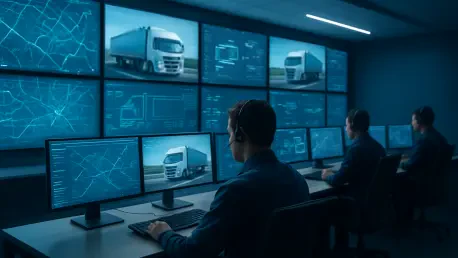
The operational effectiveness of the monitoring center is anchored in a strategic partnership with Nova Tracks, which provides the sophisticated infrastructure needed to oversee a massive fleet. Every heavy-duty truck is now equipped with multi-angle onboard cameras that transmit high-definition video feeds directly to the control room in Ibese. This continuous stream of visual data allows dispatchers to monitor road conditions and driver behavior with unprecedented clarity, effectively placing a virtual supervisor in every cabin. Such transparency is crucial for navigating the diverse and often unpredictable terrain of the national road network, where quick decision-making can prevent major disruptions. Moreover, the integration of global positioning systems with these live video feeds ensures that vehicles remain on authorized routes and adhere to pre-determined schedules. This synchronization of location and visual evidence provides a comprehensive operational picture for management.
Preventive AI: Biometric Analytics and Physical Controls
Beyond simple video surveillance, the system incorporates advanced artificial intelligence to identify and mitigate risks associated with human factors. Facial recognition software specifically designed for the transport industry analyzes driver expressions in real time, searching for indicators of drowsiness, distraction, or fatigue. If the system detects signs such as prolonged eye closure or frequent yawning, it immediately triggers an audible alert in the cabin and notifies the control center for intervention. To supplement these digital eyes, the fleet has been retrofitted with physical control mechanisms, including high-precision speed limiters and remote vehicle immobilizers. These tools allow the organization to enforce safety standards by physically preventing excessive speeds or stopping a vehicle if unauthorized usage is detected. This combination of biometric monitoring and mechanical overrides creates a robust safety ecosystem where technology compensates for human error in the field.
A Holistic Approach to Driver Welfare and Safety
Strategic Intervention: Proactive Risk Mitigation
The primary objective of the monitoring facility is to transition from a culture of correction to one of active prevention. This is achieved through a meticulous journey management protocol that utilizes real-time data to regulate driving hours and ensure adequate rest for all personnel. Fatigue is a major contributor to highway accidents, and the control room manages this risk by tracking the exact duration of each driving stint and mandating stops based on pre-set safety thresholds. Dispatchers are empowered to guide drivers to secure resting locations, providing a level of support that enhances the overall welfare of the staff. This proactive stance ensures that no operator is pressured or allowed to exceed safe limits, thereby maintaining a high level of alertness across the entire fleet. By viewing the driver as a critical asset, the company has fostered an environment where safety and productivity are seen as mutually reinforcing goals.
Workforce Excellence: Training and Professionalism
In addition to technological oversight, the organization maintains a rigorous safety framework that emphasizes the human element of transportation. Driver competency is strictly managed through a series of comprehensive protocols, including mandatory drug and alcohol screenings and regular health evaluations to ensure physical fitness for duty. These measures are paired with continuous professional development programs where drivers are required to undergo periodic recertification and training in advanced defensive driving techniques. The curriculum also includes instruction on how to interact with the new onboard monitoring systems, ensuring that drivers understand the technology as a support tool rather than an intrusion. By investing in the continuous education of its workforce, the company ensures that its personnel remain the most skilled and safety-conscious in the industry. This dual commitment to hardware and human capital creates a sustainable model for excellence across the entire national logistics network.
Setting New Standards for the Logistics Industry
Operational Efficiency: Data and Market Impact
The data harvested by the Driver Monitoring Control Room serves as a powerful catalyst for broader operational efficiency and market competitiveness. By analyzing thousands of hours of driving data, the company can identify patterns that lead to excessive fuel consumption or unnecessary vehicle wear and tear. This intelligence allows for the optimization of route planning, reducing the time vehicles spend idling or navigating inefficient corridors. Consequently, the organization has seen a measurable improvement in the sustainability of its operations, as reduced fuel usage directly translates to a lower environmental impact. Furthermore, the professionalization of the driving staff has improved the reliability of the supply chain, as fewer accidents and breakdowns lead to more consistent delivery schedules. This shift toward a data-driven logistics model has set a benchmark for accountability, encouraging other players to adopt similar technologies in the market.
Future Outlook: Infrastructure and Network Synergy
To solidify these gains, the organization prioritized the integration of its telematics data with national traffic management systems to improve highway safety for all road users. Stakeholders recognized that the next stage of evolution involved the use of predictive analytics to anticipate mechanical failures before they occurred, significantly reducing the downtime of the fleet. The management team also focused on establishing partnerships with local authorities to share anonymized safety data, which informed the development of better road designs and more effective traffic policies. These collaborative efforts proved that the benefits of centralized monitoring extended far beyond internal operations, contributing to a more stable national infrastructure. By adopting modular software platforms, the system remained adaptable to emerging technologies. This forward-thinking strategy ensured that the logistics network was prepared for the complexities of modern commerce while maintaining the highest safety standards.