
The relentless evolution of global supply chains has transformed air freight from a secondary transport mode into the absolute backbone of the modern digital and physical economy, necessitating a level of precision that few global carriers can provide at scale. In the current year, 2026, the industry observes a landscape where the velocity of trade determines the survival of manufacturing giants and retail conglomerates alike. Hong Kong remains the undisputed epicenter of this movement, serving as a premier international logistics nexus that bridges the industrial heartlands of Asia with the consumption-heavy markets of the West. The city’s airport infrastructure has recently reached new heights of capacity, allowing it to handle volumes that would overwhelm less sophisticated hubs.
Mapping the major market players reveals a competitive environment where traditional air transport no longer operates in a vacuum. The most successful entities are those that have successfully mastered multimodal networks, seamlessly connecting air, sea, and land routes to ensure that goods move without friction. This connectivity is particularly vital for manufacturing centers in Southern China and Southeast Asia, where the speed of delivery translates directly into market share. Major carriers are now measured not just by the size of their fleet, but by how effectively they integrate into these complex, high-speed logistical grids that define the modern trade environment.
Technological shifts and the demand for real-time connectivity are redefining the standards for high-capacity air freight carriers in the mid-2020s. Shippers now expect granular visibility into their supply chains, pushing carriers to invest heavily in digital handling systems and automated cargo terminals. For a leader in the space, the ability to provide instantaneous data on location, temperature, and handling conditions has become a non-negotiable requirement. This digital transformation allows carriers to manage the surge in high-value, time-sensitive cargo while maintaining the operational efficiency needed to compete on a global stage.
The Current Landscape of Global Logistics and the Centrality of the Hong Kong Hub
Assessing the vital role of air cargo reveals that it remains the circulatory system of the global economy, particularly as businesses move away from slow-moving maritime options for high-value components. Hong Kong’s status as a world-leading hub is not merely a matter of geography, though its proximity to half of the world’s population is a significant advantage. It is the maturity of its regulatory framework and the efficiency of its customs clearance processes that solidify its position. The hub facilitates a flow of goods that is essential for industries ranging from high-end fashion to life-saving pharmaceuticals, ensuring that the city remains the primary gateway for international trade.
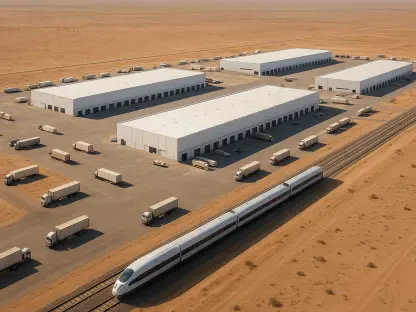
The significance of multimodal networks has become increasingly apparent as global manufacturing centers diversify their production footprints across regional borders. By integrating air freight with robust trucking and barging services, carriers can offer a comprehensive solution that covers the first and last mile of the logistics journey. This approach is essential for maintaining the integrity of supply chains that now stretch from the factory floors of Vietnam to the distribution centers of North America. Consequently, the carriers that can leverage these regional connections effectively are the ones that dictate the pace of global trade.
Furthermore, the shift toward high-capacity carriers is being driven by a need for reliability in an era of unpredictable demand. Large-scale air freight operations provide the stability that smaller, less-equipped competitors cannot match. By utilizing a combination of dedicated freighters and passenger bellyhold space, major carriers can offer the frequency and flexibility required by modern businesses. This dual-capacity model ensures that even as passenger travel fluctuates, the cargo side of the business remains a steady and lucrative revenue stream, reinforcing the financial health of the carrier.
Transforming Logistics Through E-commerce and the Artificial Intelligence Boom
Emerging Drivers: From Structural E-commerce Growth to Specialized AI Infrastructure
The evolution of e-commerce has moved far beyond a temporary surge, establishing itself as a permanent and structural pillar of the air freight industry in 2026. This shift is characterized by a fundamental change in consumer behavior, where the expectation of rapid delivery has made air transport the default choice for online retail. The sheer volume of small parcels originating from Asian fulfillment centers has created a consistent floor for demand, shielding the industry from some of the volatility seen in traditional heavy freight. This structural change requires carriers to optimize their handling of high-frequency, low-weight shipments that demand rapid turnaround times.
In tandem with the retail shift, the artificial intelligence boom has introduced specialized logistics requirements that were virtually non-existent a few years ago. Transporting high-value hardware, such as advanced semiconductors and massive server racks, requires more than just space; it requires climate control, vibration damping, and enhanced security protocols. These components are the building blocks of the global AI infrastructure, and their time-sensitive nature makes air freight the only viable transport method. As tech giants continue to invest billions in data center expansion, the demand for this technical logistics expertise is expected to grow exponentially from 2026 to 2030.
The “China +1” manufacturing shift is also reshaping regional capacity demands, particularly across Southeast Asia and Taiwan. While the Chinese mainland remains a central production hub, many companies are expanding their operations to neighboring regions to mitigate risk and tap into new labor markets. This diversification has led to a surge in demand for regional air links that can feed into major international hubs. Carriers must now be agile enough to redeploy capacity to emerging manufacturing nodes like Hanoi or Bangkok, ensuring they capture the export growth generated by these new production centers.
Measuring Market Performance: Revenue Surges and Strategic Growth Indicators
Reviewing recent financial milestones indicates a period of robust health for the air freight sector, with revenue growth reaching double-digit percentages for top-tier carriers. This financial success is a direct result of high freighter load factors, which have consistently exceeded the 90% threshold on key transpacific and European routes. Such high utilization rates suggest that demand is not just growing, but is also being managed with extreme efficiency. These revenue surges provide the necessary capital for carriers to invest in the next generation of aircraft and digital infrastructure, creating a cycle of reinvestment and growth.
Analyzing volume trends reveals a particularly strong appetite for high-tech exports in Northeast Asia and the Americas. The demand for premium cargo solutions, which include express handling and specialized storage, has outpaced general freight growth. This trend underscores a shift toward higher-margin services that prioritize speed and safety over cost. Carriers that have invested in specialized cargo products are seeing the greatest returns, as tech manufacturers seek out partners who can guarantee the integrity of their most valuable products during transit.
Utilizing this performance data allows for a more accurate forecast of a carrier’s trajectory amidst shifting global manufacturing footprints. As production moves into new territories, the ability to maintain high load factors across a diverse network becomes the ultimate metric of success. The current data suggests that the market is favoring carriers with a strong presence in both established and emerging markets. By balancing these different demand profiles, a carrier can maintain a steady growth path even if one specific region or sector experiences a temporary downturn.
Navigating the Complexities of Regional Shifts and Supply Chain Volatility
Addressing the operational challenges of the “China +1” trend requires a level of flexibility that was once considered impossible in the rigid world of aviation. The need for rapid capacity redeployment to emerging hubs like Bangkok or Ho Chi Minh City has forced carriers to rethink their schedule planning. It is no longer enough to have a fixed seasonal schedule; instead, carriers must be able to pivot their assets in response to real-time manufacturing outputs. This agility is what separates market leaders from those who are merely reacting to changes after they have already occurred.
Strategies for mitigating the impact of rising aviation fuel prices and geopolitical disruptions are now central to long-haul operating costs. Fuel remains the single largest expense for any cargo airline, and the volatility of the global energy market in 2026 requires sophisticated hedging and fuel-efficient fleet management. Geopolitical tensions can also force flight path changes, adding hours to journeys and increasing operational complexity. Carriers are increasingly turning to advanced software to optimize routes in real-time, ensuring that they can navigate these disruptions while keeping costs under control.
Managing the transition toward “capacity optimization” is the final piece of the efficiency puzzle. This involves a meticulous balancing act between dedicated freighter aircraft and the bellyhold capacity of passenger planes. When passenger demand is high, the bellyhold provides a cost-effective way to move cargo without the overhead of an extra flight. Conversely, when cargo demand peaks, dedicated freighters provide the heavy-lift capability needed for large-scale shipments. Achieving maximum efficiency across these two fleets ensures that the carrier remains profitable regardless of which side of the business is leading the growth.
Strengthening Global Trade Through Multimodal Connectivity and Regulatory Compliance
Exploring the impact of international trade regulations reveals a landscape where compliance is as important as speed. Changes to de minimis rules, which govern the tax-free entry of low-value goods, have forced e-commerce shippers to rethink their distribution models. While these changes can introduce friction, they also create opportunities for carriers that can offer compliant, streamlined solutions. By working closely with customs authorities, leading carriers can ensure that their clients’ shipments move through borders with minimal delay, maintaining the fast-delivery promise of the e-commerce era.
The role of the Greater Bay Area integration is paramount in creating a seamless and efficient logistics ecosystem. By treating the entire region as a single catchment area, Hong Kong can draw on the manufacturing power of cities like Shenzhen and Dongguan. This integration is supported by a network of bonded warehouses and specialized processing centers that allow goods to be prepared for air transport long before they reach the airport. This “upstream” approach reduces congestion at the terminal and allows for a higher volume of goods to be processed in a shorter amount of time.
Leveraging the Hong Kong-Zhuhai-Macau Bridge has been a game-changer for the transport of perishable goods, particularly through the “Air-Land Fresh Lane.” This dedicated corridor allows for the rapid movement of temperature-sensitive products from regional centers directly to the airport’s cold chain facilities. Whether it is fresh seafood or high-end pharmaceuticals, the ability to maintain a strictly controlled environment from the warehouse to the aircraft cabin is a major competitive advantage. This multimodal approach ensures that even the most delicate cargo arrives in perfect condition, bolstering the hub’s reputation for quality.
The Road Ahead: Fleet Modernization and the Evolution of Technical Logistics
Outlining the strategic importance of fleet modernization highlights a shift toward more sustainable and efficient operations. The introduction of the Airbus A350F and the Boeing 777-9 is essential for future-proofing long-haul and bellyhold capacity. These next-generation aircraft offer significantly lower fuel burn and reduced carbon emissions compared to older models, making them both environmentally and economically superior. For a carrier looking to lead the market, investing in these platforms is not just about capacity; it is about maintaining a competitive cost structure in a world where fuel prices and environmental regulations are increasingly stringent.
The shift toward specialized, high-stakes technical logistics represents a move away from the commoditization of freight services. As standard cargo becomes more of a price-driven market, the real value lies in handling complex shipments that require expert knowledge. This includes everything from oversized industrial equipment to fragile biological samples. By positioning themselves as technical specialists, carriers can command higher yields and build deeper, more resilient relationships with their clients. This evolution reflects a broader trend in the industry where the quality of the service is becoming as important as the destination.
Forecasting the next decade of competition suggests that innovation in digital handling and cargo terminal efficiency will be the primary differentiators. The goal is to create a “smart” terminal where every piece of cargo is tracked and moved with robotic precision. This reduces the margin for error and speeds up the entire transit process, allowing for later cut-off times and faster deliveries. As these technologies mature, they will become the new baseline for global logistics, and the carriers that lead the way in implementation will be the ones that define the future of the industry.
Final Verdict: Cathay Cargo’s Trajectory Toward Global Air Freight Supremacy
The synthesis of geographic advantages, operational agility, and diverse fleet investments indicated that the carrier was well-positioned to maintain its international relevance. The review of the logistics ecosystem confirmed that the focus on e-commerce and AI-driven hardware transport provided a necessary cushion against traditional market fluctuations. It was observed that the carrier’s ability to integrate regional feed from Southeast Asia into its global long-haul network served as a primary driver of sustained revenue growth. This strategic alignment between regional manufacturing shifts and hub capacity proved to be the most effective way to navigate the volatility of the mid-2020s.
The conclusion of the analysis showed that the airline’s commitment to fleet modernization and digital innovation created a significant barrier to entry for smaller competitors. By prioritizing the transport of high-value, technical cargo, the organization successfully moved away from the risks of price-based competition. The evidence suggested that the carrier’s deep integration with the Greater Bay Area allowed it to capture a larger share of the export market than its regional rivals. This multimodal strategy not only improved efficiency but also enhanced the overall resilience of the supply chain, ensuring that the Hong Kong hub remained the preferred gateway for global trade.
Future growth was expected to depend on the carrier’s ability to continuously adapt to changing trade regulations and environmental standards. The analysis recommended that further investments in temperature-controlled infrastructure and automated handling would be the most effective way to secure long-term leadership. It was determined that the synergy between the passenger and freighter fleets provided the flexibility needed to respond to unpredictable shifts in global demand. Ultimately, the carrier’s trajectory pointed toward a future where technical expertise and digital transparency would be the hallmarks of global air freight supremacy.