
Modernizing the Backbone of American Rail Infrastructure
The United States is currently witnessing a transformative era in passenger rail, spearheaded by Amtrak’s most ambitious fleet renewal project in its history. This initiative is designed to replace an aging long-distance fleet that has served as the critical link in the national network for nearly half a century. By initiating a formal procurement process for over 800 new railcars, Amtrak is signaling a monumental shift toward a more modern, efficient, and standardized rail system. The purpose of this timeline is to chart the evolution of this procurement strategy, highlighting the transition from legacy equipment to a future-proofed fleet. This topic is particularly relevant today as the demand for sustainable, reliable cross-country travel grows, necessitating a complete overhaul of the infrastructure that connects major metropolitan hubs with rural American communities.
The Evolution of the Long-Distance Fleet Renewal Program
1970s to 2020: The Era of the Legacy Fleet
For several decades, Amtrak’s long-distance routes relied on a mix of single-level and bi-level equipment, much of which was manufactured in the late 20th century. These railcars, while iconic, began to reach the end of their operational lifespan, leading to increased maintenance costs and decreased service reliability across the 14 overnight routes that form the national network. The Superliner and Viewliner fleets, though sturdy, lacked the modern amenities and energy-efficient systems required for 21st-century travel, forcing crews to engage in a “patchwork” maintenance cycle to keep the aging metal rolling.
2021: Initial Funding and Strategic Planning
With the passage of significant federal infrastructure legislation, specifically the Infrastructure Investment and Jobs Act, Amtrak secured the necessary financial backing to begin planning for a total fleet replacement. This period involved preliminary coordination with the Federal Railroad Administration (FRA) to define the technical requirements for the next generation of American sleeper cars, diners, and coaches. This stage was critical for setting the stage for a massive capital investment that would eventually redefine the comfort and accessibility standards for cross-country rail travel.
2022 to 2023: Integration of Modern Locomotives
Before the railcars themselves were ordered, Amtrak began upgrading the power behind the trains. The introduction of the Siemens ALC-42 Charger locomotives marked the first phase of modernization. Of the 125 units ordered, 79 were delivered by the end of this period, offering improved fuel efficiency and reduced emissions compared to the aging P42 fleet. These high-speed-capable locomotives provided the necessary technological bridge, ensuring that once the new passenger cars arrived, the entire trainset would operate on a cohesive, modern platform.
Early 2024: The Pivot to Single-Level Standardization
In a significant strategic shift, Amtrak revised its acquisition plan to move away from bi-level (double-decker) carriages. By choosing a universal single-level design, the operator aimed to simplify maintenance protocols and ensure that the new fleet could operate on any route across the country, including those with height restrictions in the Northeast. This decision was largely driven by the need for operational flexibility, allowing the same cars to service the tunnels of New York City and the sprawling plains of the West without logistical conflicts.
Late 2024: Formal Issuance of the Request for Proposals
Amtrak officially issued a formal Request for Proposals (RFP) to global train manufacturers. This milestone initiated the competitive bidding process for more than 800 new railcars, the largest order of its kind in the history of the corporation. Manufacturers began preparing detailed submissions to meet the specific needs of American long-distance travel, focusing on enhanced accessibility, modern digital amenities, and robust materials capable of withstanding the diverse climates of the North American continent.
2026: Anticipated Debut of the Airo Trainsets
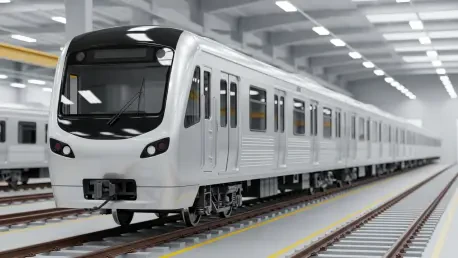
While the long-distance procurement continues, the broader modernization effort will see the rollout of the “Airo” trainsets for regional routes. This event is expected to set a new standard for passenger experience, featuring modern amenities and digital integration that will eventually be mirrored in the long-distance fleet. The success of the Airo deployment will serve as a proof-of-concept for the technologies and interior designs that passengers can expect to see in the overnight fleet later in the decade.
2027: Final Manufacturer Selection and Contract Award
According to the project timeline, Amtrak expects to finalize the selection of the winning manufacturer by the end of 2027. This decision will lock in the design and production schedule for the new long-distance cars, marking the official transition from the planning phase to active domestic manufacturing. This award will represent a multi-billion dollar commitment to the domestic rail industry and the long-term viability of the national network.
Key Turning Points in the Path to Modernization
The most significant turning point in this timeline is the transition to a standardized single-level car design. This shift addressed a historical challenge where different routes required different equipment types, complicating logistics and maintenance. By moving toward a unified fleet, Amtrak adopted an industry standard that fostered greater competition among global suppliers and ensured long-term operational sustainability. The overarching theme of this renewal was the integration of technology and efficiency, moving the U.S. rail system away from the “patchwork” maintenance of the last 50 years. While the strategy was robust, a notable gap remained in the uncertainty of future federal budget allocations, which influenced the speed of the rollout as the project moved toward the 2030s.
Exploring Technical Nuances and Economic Factors
The success of this fleet renewal was deeply tied to the growth of domestic manufacturing capabilities. The opening of new facilities, such as the Siemens Mobility plant in Lexington, North Carolina, illustrated how rail investment acted as a catalyst for industrial growth. However, experts pointed out that the project had to navigate a complex landscape of regional differences; for instance, the equipment had to be durable enough to handle the extreme temperature fluctuations of the Midwest and the mountainous terrain of the West. A common misconception was that this renewal only benefited urban travelers; in reality, these long-distance routes remained vital lifelines for rural areas where air and bus service were often limited. Despite potential headwinds from shifting political priorities, the consensus among transportation planners remained clear: the modernization of the long-distance fleet was not a luxury, but a necessity for the survival of the American passenger rail network. Future considerations should focus on securing multi-year funding cycles to ensure that manufacturing remains consistent and that the full order of 800 cars reaches the tracks without interruption.