
Over the past decade, the African airfreight market has undergone a significant transformation, driven by an increasing demand for high-value, time-sensitive goods such as electronics, pharmaceuticals, flowers, and other perishables. This surge in demand is largely fueled by a rising middle class,
Recent developments in Spain's road transport sector have revealed an unprecedented shift towards shorter payment periods, which could signal a significant improvement in financial stability for transport service providers. According to data from the Permanent Observatory of Payments in Road

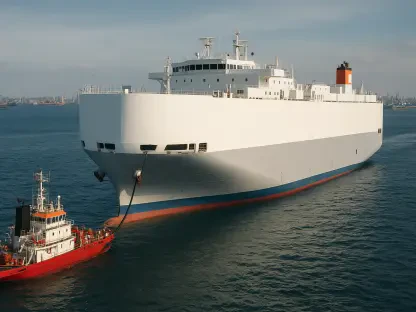
Under the patronage of H.E. Sheikh Mohammed bin Abdulla bin Mohammed Al Thani, Minister of Transport, Qatar is set to host Seatrade Maritime, a groundbreaking two-day event dedicated to the maritime industry. This inaugural event, organized in partnership with Mwani Qatar, promises to unite pivotal

The logistics and transportation industry is a dynamic and complex field, playing a crucial role in the global economy. Cristian Prisacariu, Branch Manager of XPO Logistics Romania, shares his insights and experiences, shedding light on the industry's current state and future trends. With more than

The post-holiday season often brings a noticeable dip in consumer spending as people tighten their belts after the festive splurge. However, this period also presents a unique opportunity for businesses to leverage last-mile delivery services to maintain momentum and even stimulate growth. By

Autonomous delivery robots are poised to transform the landscape of last-mile logistics, particularly in urban environments. Serve Robotics, a company that originated from Postmates and later spun off from Uber, is at the forefront of this revolution. With a vision to significantly reduce delivery