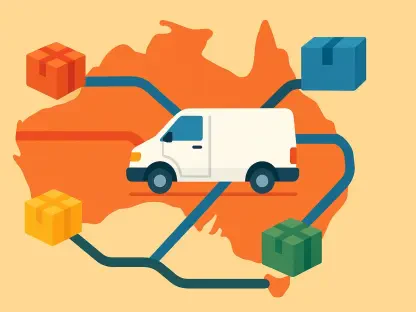

Operating a modern fleet of 2024 model-year vehicles equipped with liftgates allows logistics providers to service urban locations that lack traditional loading docks and infrastructure. In the dense concrete jungle of New York City, where every square foot is at a premium and street-level access is often the only option, this technical capability becomes a strategic necessity for regional dominance. On Time Trucking, a Long Island-based powerhouse specializing in less-than-truckload services, has significantly expanded its footprint following a transformative acquisition by RK Logistics Group. This move specifically targets the final-mile segment, aiming to bridge the gap between regional distribution hubs and the varied doorsteps of Manhattan, Brooklyn, Queens, the Bronx, and Staten Island. By increasing its daily processing capacity by an additional 200 to 300 shipment bills, the firm is providing a much-needed pressure valve for a market frequently paralyzed by congestion and regulatory hurdles. This throughput represents a reliable solution for maintaining precision and speed once freight enters the city.
Advancing Logistics Through Technology and High-Capacity Infrastructure
The integration of advanced infrastructure with next-generation logistical software has redefined the efficiency of freight movement within the New York tri-state area. By focusing on a dual-track strategy of physical expansion and digital enhancement, logistics providers are now able to overcome the traditional bottlenecks that have long plagued the five boroughs. This approach involves creating a seamless link between high-capacity cross-dock facilities and a versatile fleet designed for urban penetration. The emphasis on high-security environments and rapid-response capabilities ensures that the supply chain remains resilient even during peak demand periods or unforeseen disruptions. As the commercial landscape in New York continues to demand faster turnaround times, the necessity for a robust and technologically advanced logistical backbone becomes undeniable. This structural evolution provides the essential support for the specific technological tools and specialized vehicles that define the modern delivery experience for businesses.
Digital Transformation and Real-Time Intelligence
The transition toward a digitally integrated logistics framework represents more than just a software update; it is a fundamental shift in how urban freight is managed. Utilizing proprietary AI tracking systems, the organization now provides clients with a level of visibility that was once reserved for small parcel delivery but is now essential for heavy palletized freight. This digital backbone utilizes predictive analytics to anticipate delays before they happen, allowing dispatchers to adjust schedules dynamically. For national and international shippers, this means freight does not disappear into a “black hole” once it enters the city limits. Instead, every movement is recorded with surgical accuracy, offering a data-rich environment where stakeholders can monitor the health of their supply chain in real time. This level of transparency fosters trust, particularly when dealing with high-stakes commercial deliveries where a delay of even one hour can disrupt business operations and supply chain continuity.
Specialized Fleet and Secure Facilities
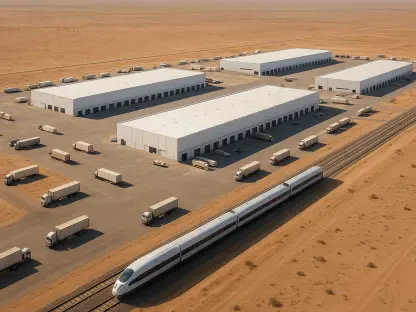
To accommodate the surge in volume and complexity, the company has heavily invested in a specialized fleet consisting of 2024 and newer vehicle models. These trucks are specifically chosen for their maneuverability in tight urban environments and their robust liftgate systems, which are vital for servicing the thousands of New York businesses that lack a dedicated loading dock. This physical equipment is supported by a 60,000-square-foot high-security facility located on Long Island, serving as a gateway to the tri-state area. Featuring 24 cross-dock doors, the facility facilitates the rapid consolidation of freight to maximize throughput. Security is a paramount concern, with advanced surveillance protecting high-value cargo during the sorting process. By centralizing operations in such a high-capacity hub, the firm can streamline the handoff between long-haul carriers and final-mile delivery teams, ensuring that goods move through the city’s arteries with professional consistency and a reduced risk of freight damage.
Specialized Service Offerings and Global Strategic Alignment
Specialized service offerings have become the primary differentiator for carriers looking to move beyond simple haulage and into the realm of high-value logistics partnership. In a market as diverse as New York, the ability to handle a wide array of cargo types—from industrial components to sensitive consumer goods—requires a combination of specialized certifications and white-glove capabilities. This expansion focuses on providing a high-precision alternative to standard carriers by ensuring that every shipment, regardless of its complexity, is handled with the same level of accountability. By offering a localized approach backed by a large-scale corporate structure, the service model addresses the unique needs of the New York business community. This includes everything from managing individual pallet deliveries to supporting massive, multi-trailer industrial projects. The focus remains on delivering reliability in a city where regulations and physical constraints often complicate the movement of essential commercial cargo.
Expert Handling and High-Security Access
Beyond standard freight movement, the organization distinguishes itself through highly specialized service capabilities that cater to sensitive shipping requirements. This includes the transportation of hazardous materials and specialized white-glove, two-person delivery services for bulky or exceptionally valuable items. Handling such freight requires a workforce trained in rigorous safety protocols and precise handling techniques. Furthermore, the employment of TWIC-credentialed drivers allows for authorized entry into vital infrastructure points, including regional ports, airports, and secured industrial sites. This capability is particularly relevant for the firm’s role as a primary logistics resource for the Javits Center, where it manages the complex flow of inbound and outbound freight for major international trade shows. Navigating the logistical labyrinth of global events requires a deep understanding of venue-specific regulations, ensuring that global brands can showcase their products in New York without the friction of logistical bottlenecks.
Global Integration and Future Strategic Growth
The strategic expansion and integration With RK Logistics Group successfully established a comprehensive, end-to-end global supply chain platform. By unifying regional trucking, warehousing, and global freight forwarding under a single umbrella, the organization simplified management for Fortune 500 companies and enhanced accountability across the entire product journey. This transition from a regional specialist to a key node in a global network allowed for better coordination between international arrival times and local delivery schedules in New York. Shippers who leveraged this unified approach benefited from improved delivery speed and reduced administrative overhead. Moving forward, logistics leaders should focus on further integrating sustainable practices with AI-driven route optimization to stay ahead of evolving urban regulations. The success of this model suggested that the path to supply chain resilience lies in the combination of local operational expertise and global resources to meet the needs of an increasingly demanding modern economy.