
Rohit Laila stands at the intersection of traditional logistics and the high-speed digital economy, bringing decades of deep-rooted experience to an industry currently undergoing a seismic shift. As global trade routes evolve to accommodate the relentless hunger for artificial intelligence hardware and high-end e-commerce, Rohit’s insights offer a window into how massive infrastructure investments translate into real-world supply chain resilience. In this discussion, we explore the strategic implications of major capacity expansions across the Pacific and what they signify for the future of global commerce, specifically focusing on the integration of advanced manufacturing hubs and the growing necessity for speed in the AI-driven market.
This conversation delves into the massive 1.25 million-pound capacity expansion within the trans-Pacific network, examining how strategic hubs in Asia and the United States are being linked to facilitate the flow of high-tech components. We explore the critical role of the semiconductor industry, the surge in AI infrastructure demand, and the logistical agility required to navigate what has become the world’s fastest-growing air cargo trade lane.
How do you perceive the immediate impact of injecting 1.25 million pounds of weekly capacity into the trans-Pacific corridor during such a pivotal trading period?
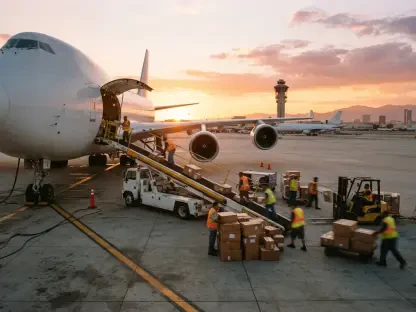
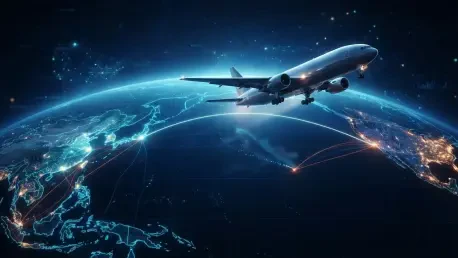
This infusion of 567,000 kilograms of weekly capacity via the Boeing 777F service is more than just a logistical update; it is a vital lifeline for industries gasping for air in an incredibly crowded market. When you hear the thunderous roar of these five-times-weekly flights, you are hearing the movement of critical components for AI infrastructure and semiconductor production that simply cannot afford a single day of delay. This massive increase allows businesses to transition from a frantic, reactive “crisis mode” to a proactive, structured strategy, particularly as we navigate the intense year-end demand spikes of 2026. It provides a sense of tangible relief for logistics managers who can finally breathe easier knowing there is guaranteed space for the high-value, time-sensitive shipments that sustain our modern digital world.
Could you elaborate on the strategic importance of the specific routing through hubs like Clark in the Philippines and the new connection to Dallas–Fort Worth?
The routing architecture is a masterclass in regional connectivity, weaving together diverse manufacturing bases in Vietnam, Thailand, and Malaysia through the gateway in Clark to create a streamlined highway to the FedEx World Hub in Memphis. By introducing a direct five-times-weekly link to Dallas–Fort Worth via Anchorage, the network specifically targets the heartbeat of the United States’ premier technology and data center markets. I can visualize the precision required on the tarmac at Anchorage, where these freighters touch down before pivoting to deliver the essential servers and chips that fuel American innovation. This isn’t merely about moving boxes; it is about connecting the manufacturing powerhouses of Asia, which currently account for roughly 58% of global semiconductor revenue, directly to the businesses building the next generation of artificial intelligence.
With the Asia-North America corridor showing a 9% year-on-year growth, what does this tell us about the current state of global supply chain interconnectedness?
A 9% growth rate as of July 2026 confirms that this corridor is the fastest-growing major air cargo trade lane on the planet, reflecting a world that is more economically intertwined than ever before. This surge tells a story of an incredibly tight-knit global ecosystem where a minor delay in a Shanghai or Osaka hub can cause a ripple effect that stalls a production line in Texas within hours. We are seeing a definitive shift where premium e-commerce and advanced industrial manufacturing are merging into a single, fluid stream of high-priority cargo. The vibration of this growth is felt in every warehouse and processing center across the Pacific, proving that the bond between Asian production and North American consumption is reaching a new level of complexity and necessity.
What is your forecast for the evolution of the trans-Pacific trade lane as we head into the next phase of the digital economy?
I expect the reliance on specialized air cargo to intensify as the AI-driven digital economy moves from being a specialized niche to the primary engine of global trade. We will likely see the emergence of even more dedicated “tech-lanes” that bypass traditional shipping congestion, much like the recent network enhancements we’ve seen connecting Bangkok, Penang, and Sydney to major regional hubs. The competition for reliable capacity will become the defining factor for corporate success, with businesses increasingly willing to pay a premium for the speed and security offered by advanced Boeing 777F services. Ultimately, the trans-Pacific route will evolve into a high-frequency “hardware bridge,” where the physical movement of semiconductors and servers is synchronized perfectly with the near-instantaneous digital demands of a global market that never sleeps.