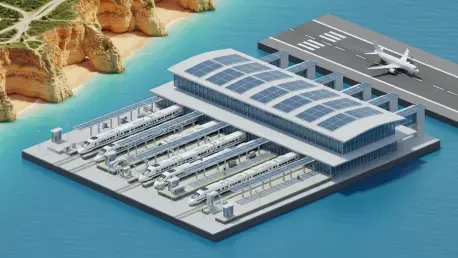

The longstanding vision of a fully integrated Iberian rail network has gained significant momentum as regional leaders in the Algarve intensify their demands for direct connections to Spain and the Faro international gateway. For decades, the southern coastline of Portugal has remained a terminal zone for national rail services, forcing travelers and cargo to switch to road transport to reach Spanish destinations like Seville or Huelva. This logistical bottleneck has restricted the growth of the regional economy and hampered efforts to promote sustainable tourism across the border. Advocacy efforts focus on transforming the Algarve from a dead-end destination into a pivotal transit hub linking the Atlantic Corridor with the Mediterranean. By prioritizing the expansion of the rail system toward the east and integrating the primary airport into the network, officials aim to create a more efficient transport infrastructure. This transition is essential for maintaining a competitive edge in a market that increasingly favors low-carbon high-speed rail solutions over short-haul flights.
Bridging the Cross-Border Mobility Gap
Strategic Development: The Seville to Faro Extension
The proposed high-speed connection between Faro and Seville has become the centerpiece of regional infrastructure debates, as it represents the missing link in the southern Atlantic Corridor. Currently, the absence of a modern rail bridge across the Guadiana River necessitates a significant detour for travelers, who must rely on buses or private vehicles to bridge the gap between the two nations. Engineering assessments conducted earlier this year highlighted the technical feasibility of extending the existing Spanish high-speed line from Huelva to the Portuguese border, which would significantly reduce travel times between major Iberian hubs. This expansion is designed to facilitate a more fluid movement of labor and capital, effectively merging the regional economies of the Algarve and Andalusia. Stakeholders have noted that the success of this project depends on synchronized investment from both the Lisbon and Madrid governments to ensure that track specifications and signaling systems remain fully interoperable across the border.
Beyond the technical challenges of track construction, the push for a trans-Iberian rail link is fueled by the significant economic potential of a unified southern travel market. Integrating these regions through a high-speed corridor would allow the Algarve to tap into the large population centers of Spain, attracting a more diverse demographic of visitors who prefer rail over air travel. Economists have projected that a direct Faro-Seville service would generate substantial increases in cross-border trade and stimulate investment in the hospitality and service sectors on both sides of the frontier. Furthermore, this rail link is expected to provide a reliable alternative for business travelers, fostering professional collaborations that were previously hindered by difficult transit logistics. By positioning the Algarve as an accessible neighbor to the Andalusian capital, the project aims to create a cohesive economic zone that benefits from shared tourism resources and enhanced regional mobility.
Regional Infrastructure: Integrating Faro Airport
Parallel to the international expansion, local authorities are focusing on the internal integration of Faro Airport into the regional rail network to modernize the primary gateway to Southern Portugal. The current lack of a direct rail connection to the airport forces thousands of passengers daily into a congested system of taxis, shuttles, and rental cars, creating unnecessary environmental pressure and logistical delays. A proposed branch line from the main Algarve Line would allow travelers to disembark from their flights and immediately board trains heading toward either the eastern or western ends of the coastline. This multi-modal approach is critical for regional sustainability goals, as it directly addresses the carbon emissions associated with short-distance road transfers. Preliminary designs for the airport station suggest a subterranean facility that minimizes impact on the landscape while maximizing passenger throughput. This upgrade is a vital improvement that will enhance the quality of life for residents by reducing traffic.
Administrative bodies successfully finalized the preliminary environmental impact reports and secured the necessary approvals to proceed with the initial stages of the airport rail extension. These groups effectively coordinated with European transport agencies to align the regional project with broader continental sustainability mandates that prioritized rail over road development. Experts implemented a comprehensive modernization plan for the existing Algarve Line, which included the electrification of several key sections and the upgrading of signaling hardware to support higher frequencies. Local municipalities collaborated on a unified urban development strategy that concentrated growth around the future transit hubs, ensuring that the new rail infrastructure served as a catalyst for sustainable housing and commercial expansion. By the end of the current fiscal period, authorities had already allocated the first phase of funding for the cross-border bridge studies. These strategic actions demonstrated a clear commitment to resolving the region’s logistical isolation and established a robust framework for the total integration of the southern transport network.