
Rohit Laila brings decades of specialized experience to the table, having witnessed the logistics landscape evolve from traditional hub-and-spoke models to the hyper-local, tech-driven ecosystems we see today. His deep understanding of supply chain mechanics is matched only by his enthusiasm for how innovation bridges the gap between digital storefronts and a customer’s front porch. In this discussion, we explore the recent partnership between Ace Hardware and Uber Eats, analyzing how more than 3,700 independent locations are redefining the “last mile.” We dive into the complexities of inventory synchronization, the shift from food to bulky retail goods, and the strategic decisions retailers must make when choosing between existing storefronts and dedicated neighborhood warehouses to meet modern consumer expectations.
Over 3,700 hardware locations are now offering on-demand delivery through third-party platforms. Since many of these stores are independently owned, how do you maintain service consistency across different regions, and what specific steps should a local owner take to sync their inventory with a digital storefront?
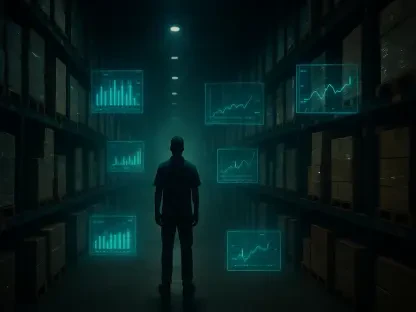
Maintaining a uniform brand experience across 3,700 independent locations is a monumental task that requires a delicate balance of corporate standards and local flexibility. For an independent owner, the first step is implementing a robust API integration that allows their in-store point-of-sale system to communicate with the Uber Eats platform in real time. There is nothing more frustrating for a customer than ordering a specific wrench for an urgent repair only to receive a notification that it’s out of stock ten minutes later. To avoid this, owners must conduct regular cycle counts and ensure their digital catalog reflects the physical reality of their shelves. By treating the digital storefront not as a side project, but as a primary sales channel, these local owners can tap into a massive new customer base while keeping the reliable “neighborhood store” feel intact.
Delivery apps are shifting their focus from food to retail categories like home repair and electronics. What are the biggest logistical hurdles when transitioning from small food orders to bulky hardware supplies, and how do these new categories change the way you manage driver capacity?
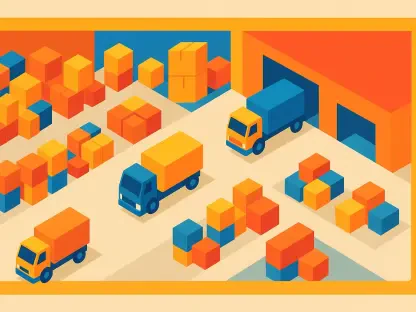
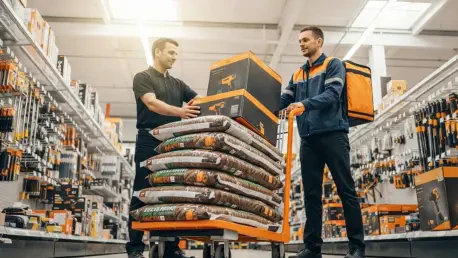
The transition from delivering a lightweight pepperoni pizza to a 40-pound bag of garden soil or a bulky power tool set introduces significant physical and operational friction. Unlike food, which is generally uniform in size, hardware supplies vary wildly in weight and dimensions, requiring platforms to rethink their vehicle matching algorithms. You cannot send a courier on a bicycle to pick up a lawnmower or several gallons of paint, so the system must proactively filter for drivers with larger trunk space or specialized equipment. This shift forces a move toward a more diverse fleet of gig workers, where the platform must track vehicle types more precisely than they ever did for restaurant deliveries. It’s about more than just speed; it’s about ensuring the driver can physically manage the load without damaging the product or their own vehicle.
Some delivery competitors are utilizing neighborhood warehouses to forward-stock goods instead of relying on existing storefronts. What are the financial trade-offs of this warehouse model compared to using retail stores as fulfillment centers, and which specific metrics indicate that a neighborhood is ready for this shift?
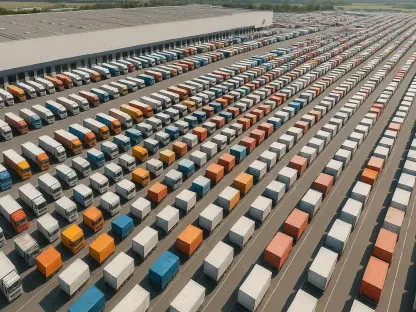
The decision to use a neighborhood warehouse—often called a “dark store”—versus an existing Ace Hardware retail location comes down to a trade-off between control and capital expenditure. Utilizing a retail store as a fulfillment hub is highly cost-effective because the inventory and staff are already in place, essentially turning the physical aisles into a ready-made warehouse. However, dedicated neighborhood warehouses allow for much higher picking efficiency and can be strategically placed in high-density urban areas where a full retail footprint might be too expensive. We look at metrics like order density per square mile and the “pick-to-pack” time at nearby stores; once a traditional store’s walk-in traffic starts to conflict with the volume of delivery orders, it’s a clear signal that the neighborhood needs a dedicated fulfillment center. It is a transition from a consumer-facing service model to a high-velocity industrial operation.
Major retailers are increasingly using gig-economy drivers to turn physical aisles into fulfillment hubs for the “last mile.” How does this high-volume pickup activity change the physical layout of a store, and what strategies prevent delivery operations from disrupting the experience of traditional in-store shoppers?
When a store like Walmart or Target begins to see a surge in gig-worker traffic, the traditional floor plan often feels the strain, leading to “aisle congestion” that can frustrate a family out for a weekend shopping trip. To mitigate this, many retailers are carving out dedicated “staging zones” or separate entrances specifically for couriers to pick up orders without weaving through the main shopping areas. You might see more high-velocity items moved to the front of the store or even “backroom picking” where the most popular online items never even hit the public shelves. The goal is to create a “store-within-a-store” where the frantic energy of a gig driver trying to meet a delivery window doesn’t clash with the slower, more sensory experience of a traditional customer browsing the aisles. It requires a thoughtful redesign of the physical space to ensure that the 3,700+ stores remain welcoming to everyone.
When a customer needs a tool for an urgent home repair, they can now choose between immediate on-demand delivery or a scheduled arrival. How do these different delivery windows affect your backend routing algorithms, and what anecdotes can you share regarding how speed influences customer loyalty in the hardware sector?
Offering both on-demand and scheduled delivery adds layers of complexity to backend routing, as the algorithm must balance “hot” orders that need to leave in minutes with “batched” orders that can be optimized for a later route. On-demand delivery is often a high-stress “rescue mission” for the customer—imagine a homeowner standing over a leaking pipe who realizes they lack the specific plumbing fitting to stop the water. In those moments, the emotional relief of a 30-minute delivery creates a level of brand loyalty that years of traditional advertising cannot match. Scheduled delivery, on the other hand, allows us to lower costs by grouping several orders together for a single driver, which is perfect for someone planning a weekend gardening project. By providing these options, retailers cater to both the frantic emergency and the methodical planner, capturing a wider share of the household’s needs.
What is your forecast for the future of last-mile delivery in the home improvement industry?
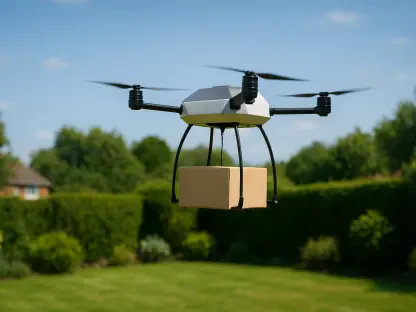
I believe we are moving toward a future where “delivery” is no longer a premium service but the default expectation for even the smallest home improvement tasks. As more retailers leverage their physical stores as fulfillment hubs, we will see a massive push toward predictive logistics, where AI analyzes local weather patterns or historical data to stock specific items—like shovels before a blizzard or mulch in early spring—closer to the consumer. We will also see a deeper integration of professional services, where you don’t just order a ceiling fan for delivery, but the app also dispatches a gig-economy installer to arrive at the same time. The line between “buying a product” and “solving a home problem” will completely disappear, making the neighborhood hardware store a high-tech nerve center for local maintenance. Efficiency will reach a point where the time it takes to get a tool delivered will be less than the time it takes for a customer to find their car keys and drive to the store themselves.