
The rapid transition from viewing discarded cardboard as a costly operational burden to recognizing it as a high-value strategic asset is fundamentally reshaping the global logistics landscape. Modern businesses no longer view waste management as a peripheral utility but as a core component of a sophisticated supply chain strategy. This shift is primarily driven by the sustainability imperative, where the move from linear disposal to circular reuse serves as a vital defense against rising logistical costs and tightening environmental regulations. As companies seek greater resource autonomy, decentralized production systems are emerging as the preferred method for managing surplus materials. This analysis explores the momentum behind on-site repurposing, the technical integration of systems like the Karocycler, and the long-term evolution of self-sufficient packaging ecosystems.
The Momentum of On-Site Waste Repurposing
Market Adoption and the Shift Toward Resource Autonomy
Recent industry observations, particularly those following major events like the Interpack trade fair, indicate a surging demand for operational efficiency through resource circularity. Organizations are increasingly adopting circular models to shield themselves from the volatility of global packaging market prices and the logistical weight of waste disposal. By transforming bulk cardboard into useful material, enterprises effectively eliminate the need for third-party waste collection services while simultaneously securing their own supply of protective materials.
Furthermore, the industry is witnessing a decisive end to the single-use paradigm. The trend is moving rapidly away from plastic-based void fills, such as bubble wrap or expanded polystyrene, in favor of sustainable, paper-based alternatives. By utilizing existing on-site assets, companies can produce high-quality transit protection that meets modern environmental standards without relying on external vendors. This shift not only aligns with consumer expectations but also streamlines internal inventory management.
Real-World Application: The Karocycler System in the UK
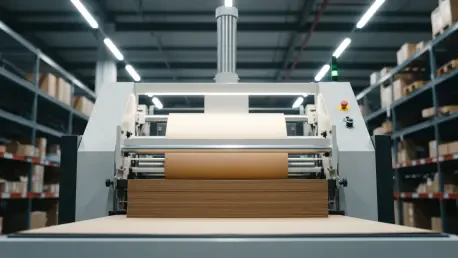
A prominent example of this trend is the strategic partnership between Wessex Packaging and the German manufacturer Karopack, which introduced the Karocycler technology to the British market. This German-engineered system represents a significant leap in how fulfillment centers manage cardboard waste. It automates the conversion of raw on-site scrap into robust Kraft paper pillows, providing a seamless method for creating transit protection. By integrating shredding and sealing into a single operational unit, the system produces a durable cushion that rivals traditional synthetic materials.
The logistical impact of this integration is substantial for manufacturing and distribution centers. By producing void fill on demand, facilities can drastically reduce their carbon footprint by eliminating the inbound transport of bulky protective materials. Moreover, the space previously reserved for storing large quantities of bubble wrap or plastic air pillows can be reclaimed for revenue-generating inventory. This process essentially turns a waste stream into a valuable internal supply chain asset.
Strategic Insights from Industry Leaders
Mark Barter, a leading figure in the packaging sector, emphasizes that the primary value of on-site repurposing lies in the power of simplicity. Gaining autonomy over the supply chain allows businesses to bypass complex procurement cycles and reduces the number of touchpoints required to secure transit materials. Simplified workflows lead to fewer operational bottlenecks, allowing warehouse staff to focus on high-priority fulfillment tasks rather than managing waste overflow.
Economic independence is another critical driver, as noted by Volker Kreiter. By adopting decentralized production, companies gain a significant advantage in navigating volatile raw material markets. When a business can produce its own packaging from its own waste, it becomes less susceptible to the price fluctuations of global paper and plastic commodities. This self-sufficiency provides a predictable cost structure and ensures that protective materials are always available, regardless of external supply chain disruptions.
Navigating this transition effectively requires a focus on professional implementation and staff integration. Robert McEwan highlights that for technology like the Karocycler to become a seamless part of warehouse operations, tailored installation and comprehensive training are essential. When the workforce understands the value of circular processing, the cultural shift toward sustainability happens naturally. This ensures that the technology is not just an added machine, but a central pillar of an efficient, eco-conscious facility.
The Long-Term Evolution of Circular Logistics
The future of decentralized production is expected to scale beyond simple void fill into more complex areas of protective packaging. As on-demand technology advances, the ability to create custom-fit transit solutions from recycled materials will become a standard requirement for high-volume shippers. This evolution will further reduce the reliance on standardized, often wasteful, external packaging formats. The move toward “closing the loop” within the facility will eventually define the competitive edge for logistics providers.
Broader environmental benefits will become even more apparent as transportation needs for waste and new packaging continue to decrease. The reduction in bulky waste storage requirements will allow for more compact and efficient warehouse designs. However, potential challenges remain, such as the initial capital investment required for high-end machinery and the need for a fundamental shift in warehouse management culture. Companies must be prepared to view these costs as long-term investments in resilience rather than short-term expenses.
Closing the Loop: The Future of Resource Efficiency
The strategic shift toward on-site waste conversion showcased how circularity became a logistical necessity rather than a niche environmental goal. The Karocycler system and similar decentralized models offered a clear path for businesses to achieve autonomy while reducing their environmental impact. This evolution in resource management reflected a broader industry trend where efficiency and sustainability merged into a single operational objective. Companies that prioritized these circular solutions positioned themselves as leaders in a market that increasingly valued self-sufficiency.
The integration of these systems ultimately proved that the most effective way to manage waste was to never let it become waste in the first place. This transition required businesses to rethink their entire approach to material lifecycles and warehouse workflows. As global standards for eco-conscious operations reached new heights, the adoption of autonomous packaging production became the benchmark for modern logistics. Leaders who embraced this change early secured their place in a more resilient and responsible global economy.