
The rhythmic clatter of steel on steel across the French countryside represents more than just transit; it is the heartbeat of a continent-wide logistics network that relies on technical perfection to survive the demands of modern trade. France stands at the literal and metaphorical crossroads of European logistics, serving as a vital bridge between the industrial powerhouses of the north and the Mediterranean gateways of the south. However, the efficiency of this vast network has long faced a hidden hurdle: the logistical paradox where high-tech locomotives are only as reliable as the local workshops equipped to maintain them. The recent alliance between Siemens Mobility and Technis seeks to resolve this tension by establishing a dedicated support system tailored specifically for the French rail corridor.
This strategic partnership represents a significant leap forward in ensuring that the Siemens Vectron platform, a staple of European freight, can operate at peak performance within French borders. By grounding technical expertise in local soil, the two companies are moving beyond standard repair contracts to build a specialized maintenance ecosystem. This initiative ensures that the transition to modern, high-performance rail is supported by a domestic framework capable of handling the complexities of next-generation engineering. It is a necessary evolution that transforms interoperability from a technical specification into a functional reality for operators across the region.
Strengthening the Arteries of European Logistics
The technical reliability of cross-border freight often hinges on the immediate availability of specialized maintenance, making the French corridor a critical focus for international logistics. Without localized support, even the most advanced engines face the risk of extended downtime if a specialized component fails far from its home depot. This partnership addresses the issue head-on, creating a maintenance map that mirrors the intensity of the continent’s most active transit routes. By providing a reliable safety net for the Vectron platform, Siemens and Technis are effectively strengthening the arteries of the entire European rail system.
Furthermore, this alliance recognizes that the success of the rail industry depends on more than just the quality of the locomotives themselves; it requires a robust support structure that understands the unique pressures of the local market. The integration of Technis’ industrial reach with Siemens’ engineering standards creates a localized ecosystem that reduces the friction of international transit. This development ensures that the French rail network is no longer a potential gap in the maintenance chain, but rather a reinforced link that supports the flow of goods with unprecedented consistency and technical confidence.
The Strategic Necessity of Localized Technical Support
As the global rail industry accelerates toward fleet modernization, the introduction of the Vectron locomotive in France marks a pivotal shift in hauling capacity and energy efficiency. These machines represent the pinnacle of current rail technology, yet their deployment requires more than just an open track; it demands a sophisticated domestic maintenance framework. Without such localized support, the benefits of advanced engineering would be offset by the logistical bottlenecks caused by sending equipment abroad for specialized service. This partnership bridges the gap between global engineering and local operational necessity, ensuring that “interoperability” remains a practical advantage.
Removing the primary barriers to high-performance rail freight requires a commitment to rooting maintenance capabilities directly within the regions where the locomotives operate. By establishing a French base for Vectron support, Siemens and Technis are providing a vital solution for operators who previously struggled with the complexities of maintaining international fleets. This localized approach allows for a more responsive and agile rail network, where technical issues are resolved within the same geographic context in which they arise. Ultimately, this strategic foresight paves the way for the further expansion of high-capacity rail transport throughout the region.
Integrated Infrastructure and Digital Maintenance Ecosystems
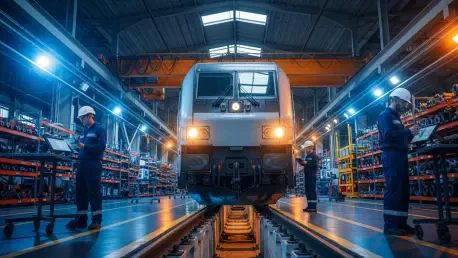
The operational success of this partnership rests on a dual-pronged strategy that merges extensive physical facilities with sophisticated data analytics. Technis provides a ready-made network of eleven maintenance sites, strategically positioned in major industrial hubs such as Lens, Dijon, and Thionville. These locations are not chosen at random; they sit directly on the primary transit corridors used by heavy freight and passenger trains, ensuring that help is always within reach. This physical footprint is supported by a workforce of 500 specialized employees and mobile maintenance units capable of performing rapid interventions directly on the tracks.
Beyond the physical workshops, the collaboration leverages Siemens’ digital MoBase platform to streamline the supply chain for essential components. This digital warehouse provides instant access to more than 8,000 spare part references, effectively eliminating the delays typically caused by international shipping and customs. When a technician at a site in Lens needs a specific sensor or mechanical component, the system ensures that the part is already available or in transit. This level of logistical integration is a key differentiator in a high-stakes industry where every hour of downtime translates into lost revenue for operators.
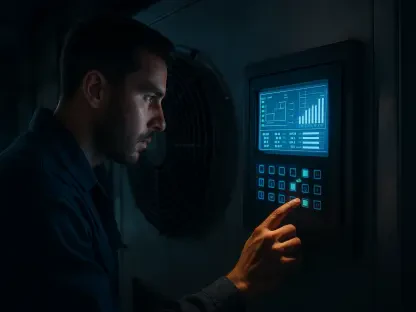
Data-driven diagnostic tools further elevate the standard of service by shifting the industry from a reactive to a proactive model. Rather than waiting for a component to fail, the maintenance ecosystem utilizes real-time monitoring and predictive algorithms to track wear and tear on critical systems. This allows for maintenance to be scheduled during natural downtime, maximizing the locomotive’s availability and ensuring that minor issues are addressed before they become catastrophic failures. This synergy between human expertise and digital intelligence represents the future of industrial maintenance, where uptime is managed with surgical precision.
Strategic Visions for Sustainable Transit and Reliability
The shared ambition of this partnership is to elevate rail as the premier choice for sustainable transport across Europe. Technis President Tristan Rouzès has described the Vectron as a European “success story,” and his organization is committed to providing a maintenance standard that matches the platform’s sterling reputation. This commitment is about more than just mechanical repairs; it is about fostering a culture of reliability that makes rail a credible alternative to carbon-heavy road transport. By enhancing the dependability of the network, Siemens and Technis are directly supporting the “modal shift” required to meet ambitious environmental targets.
Industry experts view this agreement as a significant contribution to the broader European goal of creating a green logistics corridor. When rail freight becomes more trustworthy and efficient, cargo naturally migrates from trucks to trains, resulting in a substantial reduction in the overall carbon footprint of the logistics sector. The partnership demonstrates that industrial excellence and environmental responsibility are not mutually exclusive goals. Instead, by investing in the technical health of the rail network, these companies are building the foundational infrastructure needed for a more sustainable and economically resilient transport future.
A Turnkey Framework for Modern Locomotive Operations
For rail operators entering the French market, this collaboration provides a ready-made blueprint for operational success. One of the most significant advantages is the elimination of capital-intensive overheads, as operators can leverage the existing Technis infrastructure instead of building their own private maintenance depots. This lowers the barrier to entry for smaller freight companies and allows established carriers to scale their operations with greater flexibility. The presence of a localized, high-tier service network provides the financial and operational security necessary to invest in larger, more modern fleets.
The scalability of this model is further enhanced by the mobile versatility of the Technis maintenance teams. By utilizing rapid-response units, operators can reduce the need for “dead-heading”—the costly process of moving an empty locomotive to a central shop for minor repairs. Instead, the workshop comes to the engine, allowing it to return to service in a fraction of the time. This flexible approach, combined with the power of predictive diagnostics, ensures that every asset in the fleet is utilized to its maximum potential. It creates a turnkey environment where technical support is a seamless part of the daily operational flow.
The strategic alliance between Siemens and Technis fundamentally altered the maintenance landscape for French rail. By addressing the logistical paradox of modern fleet deployment, the agreement ensured that high-tech locomotives remained as reliable as the specialized workshops that supported them. Stakeholders recognized that true progress required a departure from isolated maintenance silos toward a unified, data-driven approach. This proactive integration of physical assets and digital intelligence offered a sustainable model for the entire European transit sector, proving that localized excellence was the essential companion to global engineering. The framework established a scalable solution for operators looking to expand their footprint without incurring massive capital costs, signaling a broader industry trend toward comprehensive service-level agreements that guaranteed uptime.