
The Canadian supply chain, once a global benchmark for reliability and safety, is currently undergoing a silent transformation into a landscape where regulatory avoidance has become a standard business strategy for a growing number of operators. This transition is characterized by a move away from established legal frameworks and toward a culture where the pursuit of profit overrides the collective commitment to public safety and environmental protection. Industry analysts suggest that the systemic integrity of the sector is at an all-time low, with many new market entrants prioritizing the subversion of law over the principles of professional excellence. The regulatory structures that served as the backbone of the industry for decades are now struggling to keep pace with decentralized and often deceptive operational tactics. This shift has not only compromised the competitive landscape for legitimate fleets but has also introduced significant risks to the communities and infrastructure that the trucking industry was designed to support.
The Erosion of Traditional Industry Standards
Establishing Success: The Foundations of Legitimate Growth
Historically, the path to building a successful trucking enterprise in North America was paved with incremental growth and heavy investment in physical assets and regulatory compliance. Business owners recognized that the high cost of entry, which included property taxes, municipal fees, and adherence to strict zoning bylaws, was a necessary investment in their professional reputation and long-term viability. By securing authorized industrial land, companies demonstrated a commitment to being part of a regulated community that valued transparency and order. This traditional model ensured that every participant in the marketplace was bound by the same financial and legal constraints, preventing any single entity from gaining an unfair advantage by simply ignoring the rules. The slow, methodical expansion of these fleets allowed for a culture of mentorship and safety to take root, where drivers were trained not just to move freight, but to represent the industry as reliable and disciplined professionals.
Zoned Protection: Environmental and Public Safety Integration
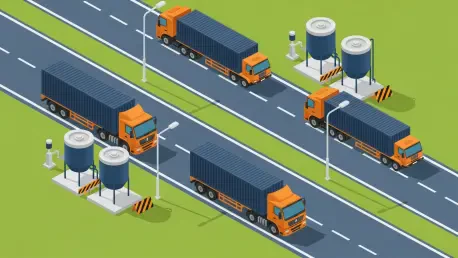
Properly zoned industrial areas were never just administrative requirements; they were engineering solutions designed to mitigate the heavy impact of tractor-trailers on the surrounding environment. Legitimate depots required reinforced pavement and sophisticated drainage systems, including oil and grit interceptors, to prevent hazardous chemicals from leaching into the groundwater. By concentrating heavy machinery within these specifically designated zones, municipalities ensured that industrial traffic remained separated from residential neighborhoods and school zones. This separation was crucial for public safety, as it kept massive vehicles on roads specifically built to handle their weight and turning radii. Following these rules was viewed as a fundamental social contract between the industry and the public. Operators understood that their right to conduct business was contingent upon their ability to manage their footprint responsibly, ensuring that the local ecology and the safety of citizens were never compromised for the sake of operational convenience.
Structural Failures in Modern Operations
Unregulated Expansion: The Rise of Clandestine Logistics Hubs
The proliferation of illegal truck depots, particularly in regions surrounding the Greater Toronto Area like Caledon, marks a significant departure from historical norms and represents a growing threat to regional planning. Opportunistic operators have begun purchasing large swaths of agricultural land and transforming them into makeshift parking lots by simply dumping gravel over topsoil without any permits or environmental assessments. These sites operate completely outside the law, lacking the essential infrastructure required to manage the fluids and pollutants that inevitably leak from heavy machinery. The resulting contamination poses a long-term threat to the agricultural productivity of the soil and the purity of local water tables. Furthermore, these illegal yards force heavy industrial traffic onto rural country lanes that were never engineered for such loads. This leads to rapid infrastructure degradation and increased accident risks for local motorists who must now navigate narrow roads dominated by a constant stream of oversized commercial vehicles.
Systemic Loopholes: Corporate Identity Manipulation and Labor Exploitation
Modern enforcement agencies are increasingly frustrated by the tactical use of “phoenixing,” where trucking companies with poor safety records or mounting legal liabilities simply dissolve and reappear as new entities. This practice allows dangerous fleets to evade history-based safety audits and continue operating under a clean slate, often in a different province to take advantage of data silos between jurisdictions. By exploiting the lack of a unified national tracking system, these bad actors can mask their true identities and bypass the consequences of their previous violations. This culture of evasion also extends to the treatment of the workforce, where certain operators utilize foreign worker programs to access vulnerable labor while simultaneously ignoring wage and hour laws. The disconnect between federal immigration authorities and provincial transport regulators creates a gray zone where companies can maintain high levels of turnover and labor abuse without facing permanent exclusion from the industry or meaningful legal repercussions.
Seeking Solutions for a Lawless Environment
Deterrence Reimagined: Moving Beyond Financial Penalties
The standard administrative tools of governance, such as issuing fines or roadside citations, are increasingly recognized as insufficient deterrents against well-funded and organized non-compliance. In the current economic environment, the financial savings realized by operating on unpermitted land or ignoring safety protocols often far exceed the cost of the occasional ticket. For many unscrupulous operators, these penalties are viewed as a manageable cost of doing business rather than a reason to change their behavior. This mathematical approach to law-breaking suggests that the industry is moving toward a state of functional lawlessness where the state’s authority is effectively neutralized by the high profitability of evasion. To restore a level playing field, there is a growing consensus that enforcement must shift from administrative warnings to severe punitive measures. This includes the seizure of equipment, the permanent revocation of operating licenses across all provinces, and the pursuit of criminal charges for executives who knowingly endanger the public.
Strategic Oversight: A Multi-Jurisdictional Enforcement Framework
The realization that the Canadian trucking industry had reached a tipping point led to several decisive conclusions regarding the path forward for national logistics. It was established that the only way to combat the rise of illegal depots and corporate phoenixing was through the implementation of a real-time, inter-provincial data sharing network that linked safety ratings to corporate officer identities. This strategy successfully prevented bad actors from hiding behind new business names and ensured that environmental violations in one region triggered immediate inspections in others. Furthermore, the integration of labor departments with transport ministries ensured that companies found guilty of wage theft or safety negligence were permanently banned from accessing foreign labor programs. By shifting toward a proactive and punitive enforcement model, authorities recognized that the era of gentle regulation had ended. Moving forward, the focus remained on identifying and removing repeat offenders from the supply chain entirely, thereby protecting the integrity of the market for those who continue to operate with professional transparency.