
The air cargo industry has long struggled with opaque pricing models and biased booking processes that favor larger players while marginalizing smaller freight forwarders who lack direct carrier access. This systemic imbalance often leads to inefficient routing and inflated costs for the end consumer, creating a market that values connections over actual logistics performance. Tricargo enters this space as a digital infrastructure designed to dismantle these silos by providing a neutral ground where data, not relationships, dictates the flow of goods across the globe. By centralizing real-time capacity and pricing into a unified, agnostic platform, the service ensures that every stakeholder has equal visibility into the market’s available resources. This shift toward neutrality is not merely about technological convenience; it represents a fundamental change in how the aviation logistics sector handles competition. As carriers and forwarders integrate into this ecosystem from 2026 to 2028, the industry moves away from legacy gatekeeping toward a meritocracy.
Establishing Transparency Through Data Decentralization
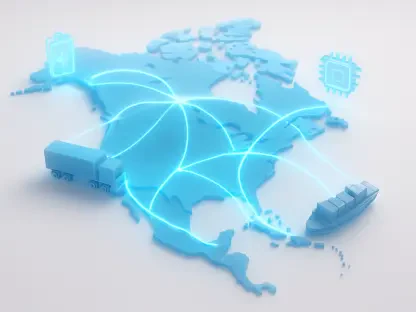
Neutrality in logistics is often undermined by the unequal distribution of information, where those with the most data command the most power. To counter this, Tricargo utilizes a decentralized data architecture that ensures no single entity can manipulate market rates or hide available capacity to create artificial scarcity. When a freight forwarder searches for a route from 2026 to 2027, the platform aggregates data from a diverse array of sources, including commercial airlines, dedicated freighters, and regional belly-space providers. This broad integration prevents the formation of information monopolies that have historically characterized the air freight market. Moreover, the use of standardized API protocols allows for seamless communication between disparate legacy systems, effectively bridging the gap between high-tech logistics hubs and smaller airfields. This technical inclusivity is a cornerstone of neutrality, allowing even the most remote carriers to participate in global trade on an equal footing.
Beyond simple data aggregation, the platform introduces algorithmic fairness to the booking process, ensuring that shipment prioritization is based on objective criteria like transit time and cost rather than historical brand loyalty. This approach is particularly transformative for emerging markets where local carriers often find themselves sidelined by global alliances that dominate the most lucrative trade lanes. By stripping away the subjective elements of cargo allocation, the system provides a clear pathway for smaller operators to demonstrate their value and build trust based on performance metrics. From 2026 to 2028, the adoption of these neutral algorithms is expected to increase the utilization rates of secondary airports, as the platform identifies optimized routes that humans might overlook due to cognitive bias. This optimization not only lowers the overall carbon footprint of the industry but also democratizes access to the global sky, making shipping more viable for many businesses.
The transition toward a neutral air cargo ecosystem required a concerted effort from all industry participants to prioritize systemic health over individual short-term gains. Stakeholders who embraced this change recognized that the future of logistics depended on the ability to move goods with minimal friction and maximum transparency. To maintain this momentum, organizations were encouraged to audit their existing digital integrations and phase out proprietary silos that hindered data sharing across the neutral network. Leaders invested in advanced cybersecurity measures to protect the integrity of the shared data pool, ensuring that neutrality did not come at the cost of security. These steps helped establish a robust framework where competition thrived on service excellence rather than information asymmetry. By the end of the initial implementation phase, the industry witnessed a significant reduction in waste. Future considerations included expanding this neutral philosophy into multimodal transport to benefit the global supply chain.