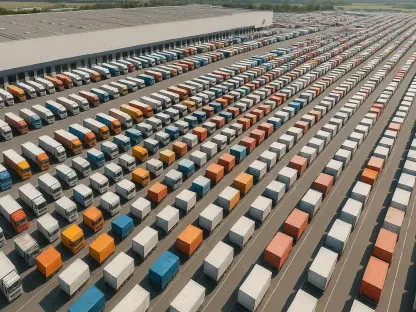

The landscape of commercial transportation has undergone a dramatic transformation as theoretical discussions about artificial intelligence have finally stabilized into tangible and highly functional operational assets for modern fleet managers. At the Motive Vision 26 conference, the focus remained squarely on how artificial intelligence is currently solving the most pressing operational hurdles, marking the end of “future-gazing” and the start of a period where AI serves as a functional, everyday partner for drivers. Instead of focusing on technologies that are years away from the road, the industry is now prioritizing tools that offer immediate, measurable improvements in safety and productivity. By addressing immediate concerns like regulatory compliance and administrative bottlenecks, practical AI is helping fleets move from being reactive to proactive. Digital transformation is no longer a roadmap item but a present-day reality that defines the competitive edge in a crowded market.
Edge Intelligence: Processing Critical Data at the Vehicle Level
A centerpiece of this technological transformation is the transition to “edge AI,” where data is processed directly on the vehicle’s hardware rather than being sent to a remote cloud server. In high-stakes driving environments, the latency involved in cloud processing can often be the difference between a near-miss and a catastrophic collision. When a system must wait for a signal to reach a distant data center and return with a command, precious seconds are lost that the driver simply does not have. Edge computing eliminates this delay by allowing the onboard computer to make immediate decisions based on the information it gathers through sensors and cameras. This localized processing power is essential for modern fleets that operate in areas with inconsistent cellular connectivity or in dense urban environments where reaction times must be instantaneous. By decentralizing the intelligence of the network, fleet operators ensure that safety protocols remain active regardless of the strength of the external internet connection.
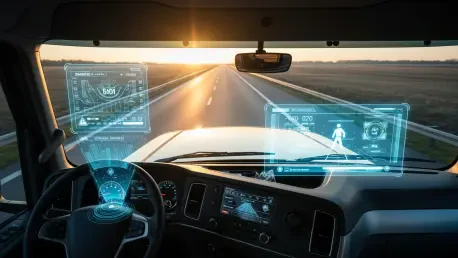
Devices like the AI Dashcam Plus utilize advanced stereo vision to interpret road conditions in real time, providing drivers with the split-second alerts they need to avoid hazards. This hardware is capable of identifying complex risks, such as pedestrian movement in a blind spot or subtle signs of driver fatigue, without requiring manual intervention from a remote dispatcher. By empowering the vehicle to make autonomous interpretations of its surroundings, fleet technology now supports human decision-making at the exact moment it matters most. This shift ensures that the technology acts as a preventative shield rather than just a passive recording device, significantly elevating the standard for on-road safety across the globe. When the system detects a potential collision or a lane departure, it provides an audible alert that prompts the driver to correct their course immediately. This real-time feedback loop transforms the driving experience from one of isolated responsibility to a collaborative effort between human intuition and machine precision.
Safety Standards: Cultivating a Proactive Risk Management Culture
For fleet operators, safety has become the non-negotiable priority, especially as the industry deals with rising insurance costs and a global shortage of qualified drivers. Precision AI tools allow managers to foster a culture where accidents are prevented through constant, automated coaching and risk detection. This proactive stance does more than just protect lives; it directly improves the bottom line by reducing legal liabilities and insurance claims, providing a clear return on investment for the enterprise. This focus on safety is intrinsically linked to broader operational goals, such as saving time and reducing overhead. By automating repetitive clerical tasks and streamlining complex workflows, AI platforms free up managers to focus on high-value strategic growth rather than manual data entry. These tools connect disparate data points to optimize fuel consumption and routing, ensuring that every minute and every gallon of fuel is used as efficiently as possible for the business.
Building a culture of safety also involves utilizing the vast amounts of data generated by modern telematics to provide personalized feedback to the workforce. Rather than applying a one-size-fits-all approach to training, managers can now identify specific areas where an individual driver might need additional support or education. This targeted method of intervention not only improves performance but also demonstrates a commitment to the professional development of each employee. Furthermore, the ability to predict potential maintenance issues before they result in a breakdown further enhances the safety profile of the fleet. By monitoring engine diagnostics and tire pressure through integrated sensors, AI systems can schedule repairs during off-peak hours, preventing dangerous equipment failures on the highway. This comprehensive approach to risk management ensures that every aspect of the operation is aligned with the core objective of maintaining the highest possible standards of road safety and mechanical reliability.
Professional Trust: Shifting the Perception of Driver Monitoring
Successfully integrating these technologies requires addressing the human element, specifically the skepticism many drivers feel toward in-cab monitoring and surveillance. The narrative is shifting from one of constant monitoring to one of professional protection, as AI dashcams frequently provide the evidence needed to exonerate drivers after incidents. When drivers realize the technology is there to support their safety and protect their reputations from false claims, they are far more likely to embrace it as a valuable tool. This change in perspective is critical for retention, as it builds a foundation of trust between the management team and those behind the wheel. Real-world evidence from logistics firms shows that the transition to AI-assisted management creates a more responsive and less stressful work environment. Managers can now receive instant crash notifications and detailed reports before a driver even calls the office, allowing for faster processing and better support for staff.
Beyond exoneration, the implementation of artificial intelligence helps to reduce the cognitive load on drivers by handling mundane navigational and compliance tasks. By providing clear, real-time guidance on the most efficient routes and potential road hazards, the technology allows drivers to focus entirely on the act of driving. This reduction in mental fatigue is a significant factor in preventing accidents caused by distraction or exhaustion. Additionally, the transparency provided by these systems ensures that performance evaluations are based on objective data rather than subjective observations. Drivers who consistently demonstrate safe habits are easily identified and can be rewarded appropriately, which further incentivizes a commitment to excellence. As the industry moves forward, the relationship between technology and the workforce will continue to evolve, moving away from a model of oversight and toward a partnership that prioritizes the health, safety, and professional success of every person in the fleet.
Document Automation: Navigating Global Regulatory Complexity
While the challenges of the logistics industry are global, ranging from strict European regulations to labor shortages, the solutions provided by practical AI are becoming universal. Document automation and intelligent workflow tools help operators navigate increasingly complex legal landscapes without being buried under paperwork. This streamlining is essential for firms looking to maintain compliance while scaling their operations in a volatile and highly regulated market. By using machine learning to categorize and process shipping documents, invoices, and compliance logs, companies can reduce the time spent on administrative tasks by a significant margin. This efficiency allows for faster turnaround times at border crossings and delivery hubs, directly impacting the overall speed of the supply chain. In an environment where every minute counts, the ability to automate the clerical side of logistics provides a major competitive advantage for firms operating on an international scale.
The automation of compliance also extends to hours-of-service monitoring and fuel tax reporting, which have traditionally been labor-intensive processes prone to human error. AI systems can now automatically calculate these metrics with high precision, ensuring that all regulatory filings are accurate and submitted on time. This reduces the risk of costly fines and audits that can disrupt business operations and damage a company’s reputation. Moreover, the integration of these tools into a single platform provides managers with a holistic view of their compliance status across different regions and jurisdictions. This centralized visibility is particularly valuable for large fleets that operate across multiple states or countries with varying legal requirements. By leveraging artificial intelligence to handle the intricacies of global regulation, fleet operators can focus their energy on expanding their market presence and improving the quality of their service to customers, rather than being bogged down by red tape.
Strategic Implementation: Building Resilient Long-Term Infrastructure
Organizations that succeeded in this transition established comprehensive training programs that prioritized clear communication regarding the benefits of AI to the workforce. They addressed driver concerns by demonstrating how the AI Dashcam Plus served as a tool for exoneration in non-fault accidents, rather than a device for punitive surveillance. By involving drivers in the implementation process, these firms ensured that the technological shift was perceived as an investment in staff safety and professional longevity. Furthermore, the most effective implementations utilized a modular approach, allowing for the gradual integration of new software features without overwhelming the existing operational structure. This strategy provided the flexibility needed to adapt to changing market conditions while maintaining a stable environment for the drivers. The focus was consistently placed on using data to empower employees rather than simply monitoring them, which fostered a culture of mutual respect and technological proficiency within the organization.
The integration of advanced analytics into daily operations allowed fleet managers to move beyond simple data collection and toward a more sophisticated model of predictive maintenance. By analyzing patterns in vehicle performance and driver behavior, companies were able to identify potential issues before they resulted in costly downtime or safety hazards on the road. This forward-looking approach was complemented by a commitment to data transparency, which allowed for more accurate reporting to stakeholders and insurance providers alike. The ultimate solution involved creating a unified digital ecosystem where every component of the fleet was connected and contributing to a centralized intelligence pool. Consequently, the commercial transportation industry realized significant gains in both safety and efficiency, setting a new standard for how modern logistics firms operate in a globally connected economy. This evolution proved that practical artificial intelligence was not just a futuristic concept but a vital tool for achieving sustainable growth and excellence.