


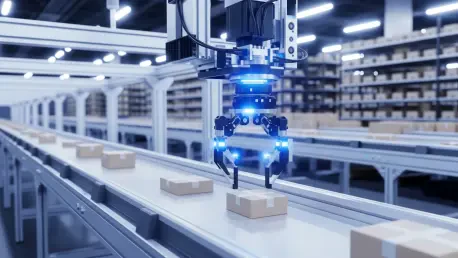

The logistics industry is witnessing a transformative shift as automated systems transition from isolated cages to the bustling, shared floors of modern fulfillment centers across the globe. Amazon has committed to this evolution by injecting over €10 billion into its European operations, signaling a departure from the static automation of previous decades toward a highly dynamic and integrated robotic ecosystem. This massive investment supports the deployment of a new generation of machines, including Proteus, Stark, and Vulcan, which are designed to function as intelligent colleagues rather than just industrial tools. By leveraging advanced artificial intelligence and computer vision, these machines streamline complex package handling while simultaneously addressing long-standing safety concerns. This shift is not merely about increasing throughput; it represents a fundamental reimagining of how technology and human labor intersect to maintain a resilient supply chain in an increasingly demanding market.
Evolution of Collaborative Robotics: From Fixed Cages to Autonomy
The journey toward this integrated environment began more than ten years ago when the acquisition of Kiva Systems introduced the world to mobile shelving units within fenced-off warehouse zones. Those early orange robots were revolutionary for their time, yet they required strict physical separation from human workers to prevent collisions and ensure operational safety. Today, the landscape has changed entirely as the company has deployed over a million units that no longer require such restrictive enclosures. Modern robots utilize sophisticated sensor arrays and deep-learning algorithms to navigate complex pathways while maintaining a constant awareness of their human counterparts. Consequently, the warehouse floor has become a more fluid environment where machines and people coexist and move freely. This transition from fenced environments to open, collaborative spaces marks a significant technological milestone in the history of industrial automation, allowing for greater operational flexibility and scale.
Proteus serves as a prime example of this new era, functioning as a fully autonomous mobile robot that can interpret and respond to natural human language commands. This machine is capable of transporting heavy carts weighing nearly 900 pounds, yet it navigates with a level of grace that belies its significant power and physical footprint. Utilizing a combination of computer vision and advanced LiDAR sensors, Proteus can detect moving objects and stop instantly, ensuring it never compromises the safety of nearby staff members. Its ability to understand verbal instructions represents a breakthrough in human-machine interaction, allowing workers to direct the robot without needing complex computer interfaces. This level of responsiveness makes the robot feel less like a piece of heavy equipment and more like a supportive partner in the logistical process. Such innovations are critical for maintaining high operational standards while managing the sheer volume of modern consumer demand.
Precision Engineering and Workforce Integration: The Role of Stark and Vulcan
To complement these autonomous movers, specialized systems like Stark and Vulcan provide the tactile and mechanical precision needed for high-intensity fulfillment tasks. Stark was developed with direct feedback from warehouse workers in Spain to manage the transition of heavy carts from conveyor belts to trolleys, a task previously known for causing significant physical strain. By automating this hyper-precise handling, the system reduces the risk of musculoskeletal injuries while maintaining the high-speed productivity required in busy shipping hubs. Meanwhile, Vulcan introduces a simulated sense of touch to the warehouse environment through force sensors and AI, allowing it to handle delicate items with appropriate pressure. This capability prevents employees from having to use ladders or bend into awkward positions to reach storage bins, significantly improving ergonomic standards. Together, these machines allow human workers to focus on technical oversight rather than the physically demanding aspects of logistics.
The successful integration of these sophisticated machines reflected a broader industry trend where automation served as an assistant rather than a simple replacement for the human workforce. As these robots took over repetitive and physically demanding tasks, the logistics sector expanded to include thousands of high-tier roles focused on maintenance, programming, and technical oversight. This synthesis of hardware and artificial intelligence created a more resilient supply chain that prioritized both operational speed and the physical well-being of the staff. Future-looking organizations adopted modular robotic frameworks that allowed for rapid adaptation to changing consumer behaviors and inventory types. These strategic investments in tactile intelligence and collaborative autonomy ensured that the fulfillment centers remained efficient under various economic pressures. By prioritizing ergonomic safety and technical education, the industry fostered a sustainable environment where human expertise and mechanical precision worked in tandem to achieve unprecedented goals.


