
In an industry where a single degree of temperature deviation can jeopardize millions of dollars in inventory, the global food supply chain is undergoing a profound transformation driven by robotic precision. This industrial shift moves beyond basic refrigeration toward a comprehensive ecosystem of automated storage and retrieval systems that mitigate human error and labor constraints. Major food distributors now face the task of managing massive annual throughput, often exceeding 200,000 pallets, while ensuring every item reaches its destination in peak condition. The challenge is intensified by the variety of products, with some facilities juggling over a thousand unique stock-keeping units in environments reaching minus twenty-four degrees Celsius. Manual intervention in such extreme conditions is becoming unsustainable, leading to the adoption of high-density automated solutions that bridge the gap between rigorous safety standards and the relentless pace of global consumption.
Strategic Hardware Solutions for Extreme Environments
Modernization of physical infrastructure in the cold chain is no longer viewed as a series of incremental upgrades but as a comprehensive reimagining of industrial capabilities. For major food industry players, the strategic deployment of hardware automation represents a critical pivot toward maintaining operational integrity in the face of rising global demand. Traditional facilities, which relied on manual pallet movement and basic racking, are finding it difficult to keep pace with the velocity of modern commerce from 2026 to 2027. The shift toward automated systems is driven by the need to eliminate physical bottlenecks that occur when human-operated machinery struggles to navigate the dense, high-volume environments required for efficient food storage. By investing in robust hardware designed for the rigors of subzero temperatures, companies are laying the groundwork for a more scalable and resilient distribution network that can withstand economic shifts and environmental challenges.
Maximizing Storage Density and Thermal Efficiency
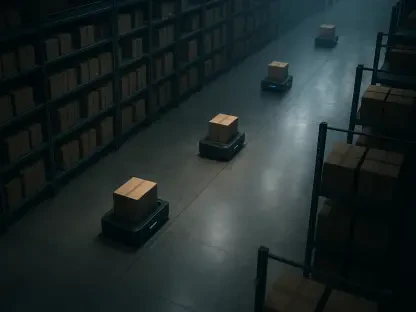
High-density storage technology represents the backbone of this evolution, specifically through the implementation of 3D automated pallet shuttles that navigate complex racking structures with minimal human oversight. These autonomous vehicles operate across multiple levels and aisles, allowing facilities to increase their storage capacity by up to fifty percent without expanding the physical footprint of the building. In the context of subzero logistics, where cooling vast empty spaces is both a financial drain and an environmental burden, the ability to pack inventory more tightly is a revolutionary advantage. By minimizing the volume of air that needs to be refrigerated, companies can link their energy expenditures directly to active inventory rather than wasted cubic footage. This precision-driven approach to space management ensures that every square inch of a temperature-controlled facility serves a specific purpose, lowering the carbon footprint while maximizing the return on investment.
Enhancing Operational Resilience in Subzero Conditions
The transition to automation also serves as a critical solution to the chronic labor shortages that plague the logistics sector, particularly in roles that require working in harsh subzero temperatures. Humans are naturally poorly suited for extended periods of activity in deep-freeze environments, where the physical toll can lead to high turnover rates and increased safety risks. Automated systems, conversely, are engineered to perform with consistent accuracy regardless of the ambient temperature, maintaining a steady flow of goods twenty-four hours a day. By reassigning human workers to supervisory and technical roles in climate-controlled offices, companies improve workplace ergonomics and employee retention while simultaneously boosting operational resilience. This shift ensures that the supply chain remains uninterrupted by external labor market fluctuations or the inherent limitations of human endurance in extreme cold. The resulting stability allows for more predictable scheduling and a reduction in overhead costs.
Driving Efficiency Through Software Synergy
The true potential of automated hardware is only fully realized when it is governed by an intelligent software layer that provides centralized coordination and real-time decision-making. In the modern cold chain, software acts as the connective tissue between disparate physical components, ensuring that every pallet movement is optimized for speed and safety. This digital transformation allows facility managers to transition from reactive troubleshooting to proactive optimization, using data-driven insights to refine workflows and improve overall efficiency. As organizations look to integrate their warehouse operations with broader supply chain networks, the role of flexible, scalable software platforms becomes paramount. These systems allow for the seamless exchange of information between producers, logistics providers, and end-users, creating a transparent ecosystem where inventory is tracked with pinpoint accuracy. By establishing a robust digital foundation, companies can ensure that their physical automation investments deliver maximum value.
Digital Traceability and Intelligent Inventory Management
In the highly regulated world of food logistics, digital traceability is not merely a convenience but a mandatory requirement for maintaining consumer safety and regulatory compliance. The implementation of “first-expired, first-out” protocols is automated through the software, ensuring that no product lingers past its peak quality or safety window. Automated sensors continuously monitor the temperature and humidity of individual pallet zones, providing an immutable digital record that can be audited at a moment’s notice. This proactive approach to food safety significantly reduces the risk of costly recalls and protects the brand reputation of major food distributors. Furthermore, the software can predict potential issues before they escalate, such as identifying a cooling unit that is beginning to underperform. By leveraging artificial intelligence to analyze historical data, these systems provide insights that allow managers to optimize their operations continually. The result is a transparent, accountable supply chain that meets the highest standards.
Accelerating Throughput and Market Agility
The transition toward fully automated cold chain environments represented a decisive response to the mounting pressures of urbanization and heightened food safety standards. Organizations that prioritized the integration of autonomous hardware and intelligent software successfully navigated the complexities of extreme subzero logistics while achieving unprecedented levels of efficiency. To maintain this momentum, industry stakeholders should have focused on the continuous upskilling of their technical workforce and the adoption of predictive maintenance protocols to ensure the longevity of their systems. Investing in standardized data protocols across the supply chain became an essential step for fostering transparency between producers and distributors. Future strategies likely involved the exploration of edge computing to further reduce latency in robotic decision-making processes. By embracing these technological pillars, the cold chain evolved into a highly resilient and agile network capable of meeting global demands, turning logistical challenges into competitive advantages.