
The European logistical landscape is currently undergoing a radical transformation as the era of easy expansion vanishes beneath the weight of persistent inflation and localized economic contraction. Carriers across the continent are finding that the old methods of simply adding more trucks to their fleets no longer yield the desired profit margins when fuel prices and labor costs continue to rise faster than the shipping rates that the market can reasonably sustain. This shift has forced executive leadership to look inward, moving away from aggressive market-share acquisitions and toward a more disciplined, surgical approach to internal operations and financial management. By prioritizing cost containment and digital integration, these organizations are attempting to build a sustainable model that can survive prolonged periods of low demand without sacrificing service quality. The focus has transitioned from how many kilometers a truck covers to how much margin each individual kilometer generates in a complex environment.
Optimizing Human Resources and Fleet Operations
Strategic Compensation and Tax Efficiency
Managing labor costs has evolved into the most significant hurdle for haulage companies attempting to maintain financial equilibrium in a market where driver shortages and wage pressures remain persistent. To combat this without being buried under the weight of high payroll taxes and social security contributions, many forward-thinking firms are implementing sophisticated financial frameworks that utilize legally compliant tools such as safety performance allowances and non-taxable per diems. These strategies are specifically designed to preserve the driver’s net take-home pay, ensuring that the workforce remains satisfied and loyal, while simultaneously lowering the gross labor expenditure for the employer. This delicate balance is achieved by restructuring the total compensation package to include more variable, performance-based components that do not attract the same level of fiscal burden as a high base salary, thus protecting the company’s bottom line during months of stagnant freight volume.
Operational Logistics and Workforce Standards
Beyond the realm of payroll architecture, a substantial shift is occurring in how fleets manage their operational schedules to maximize the utility of every asset while adhering to increasingly strict legal standards. Carriers are increasingly abandoning traditional work rotations that often led to excessive downtime and instead are adopting rigorous scheduling models that prioritize continuous vehicle movement and efficient driver handovers. This operational tightening is accompanied by a significant increase in regulatory scrutiny, as labor inspectors across various European jurisdictions have intensified their audit cycles to eliminate the practice of worker misclassification. Companies that previously relied on gray area employment status for their drivers are now facing devastating fines and legal challenges, which has prompted a widespread return to standard employment protections. By aligning with these stricter labor laws, haulage firms are not only avoiding legal risks but are also fostering a more stable environment.
Strengthening Financial Stability and Technology
Fuel Logistics and Cash Flow Management
Fuel remains the most volatile variable in the operational equation, but the modern challenge extends far beyond the price at the pump to encompass the critical management of liquid capital and credit lines. Many transport companies currently find themselves struggling with restrictive credit limits on their fuel cards, which can lead to a complete operational standstill if the monthly limit is reached before the final delivery is completed. When these credit lines are exhausted, carriers are frequently forced to purchase fuel at retail prices using cash or high-interest short-term credit, which immediately erodes the thin profit margins typical of the sector. To mitigate this risk, savvy operators are diversifying their fuel procurement strategies by utilizing multiple card providers and negotiating more flexible payment terms that better reflect the realities of the current economic cycle. This proactive approach ensures that trucks remain on the road even when cash flow becomes tightened during slow seasons.
Data-Driven Efficiency and Telematics
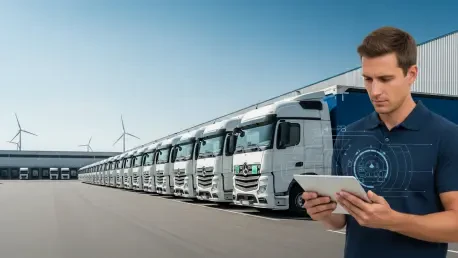
Technology has moved from being a supplementary tool to becoming the backbone of operational efficiency for haulage firms striving to navigate a stagnant economy with a higher degree of precision. The deployment of advanced telematics and AI-driven routing software allows fleet managers to analyze vast amounts of data in real-time, identifying patterns that lead to wasted fuel or unnecessary idle time. By optimizing routes to minimize empty miles and implementing predictive maintenance schedules that prevent costly roadside breakdowns, companies can realize significant savings that directly impact their net profitability. Furthermore, the integration of digital documentation systems is streamlining the administrative side of the business, reducing the time drivers spend on paperwork and allowing them to focus on the primary task of moving cargo safely. This data-centric philosophy enables carriers to make informed decisions based on empirical evidence rather than relying on intuition or historical averages.
Strategic Adaptation for Long-Term Viability
The path forward for the European road haulage industry required a fundamental departure from the volume-based growth models that dominated the previous decade. Successful organizations transitioned toward a focus on high-yield corridors and specialized cargo, where the expertise and reliability of the carrier could command a premium over standard market rates. By investing heavily in driver training and retention, these companies secured their most valuable assets while reducing the costs associated with high turnover and recruitment. Leadership teams also prioritized the establishment of stronger partnerships with shippers, moving away from transactional relationships toward collaborative models that shared the risks and rewards of a volatile energy market. These structural changes provided a robust foundation that allowed the industry to absorb the shocks of economic stagnation without collapsing under the pressure of rising operational costs, regulatory shifts, and various geopolitical uncertainties.