
Integrating the proprietary autonomous system into premium electric trucks marks a shift toward specialized roles where humans manage logistics rather than handling long-distance driving. The collaboration between the Swedish freight technology company Einride and the Dutch manufacturer DAF Trucks represents a major milestone in the commercial vehicle industry. By combining high-performance electric chassis with sophisticated autonomous software, the two entities aim to redefine how goods move across the European continent. This alliance focuses on delivering a turnkey solution that integrates the DAF XD and XF electric models with the Einride Saga operating system. This software-driven approach allows fleet operators to monitor energy consumption, optimize routes, and manage charging cycles with precision. As the demand for zero-emission logistics continues to grow, this partnership provides a scalable blueprint for decarbonizing the heavy-duty transport sector while maintaining the reliability modern supply chains require today.
Technical Integration and Operational Success
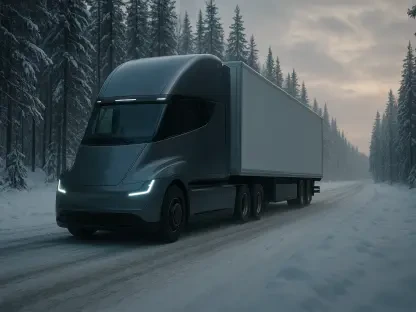
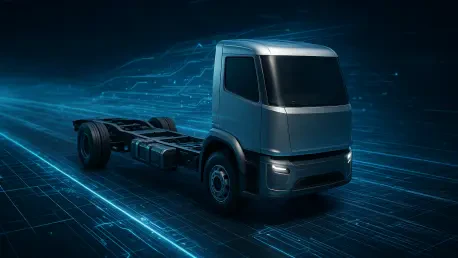
The technical foundation of this initiative rests on the DAF XD and XF Electric trucks, which have been engineered specifically for long-range efficiency and driver comfort. These vehicles are equipped with modular battery packs that offer significant range, making them ideal candidates for autonomous conversion. Einride installs its proprietary autonomous kit directly onto these chassis, incorporating a suite of sensors including LiDAR, radar, and high-definition cameras. This hardware array creates a 360-degree digital map of the surrounding environment, allowing the vehicle to navigate complex highway scenarios without human intervention. Unlike traditional retrofitting, this integration is deeply embedded into the vehicle’s electrical architecture to ensure seamless communication between the autonomous computer and the braking, steering, and powertrain systems. Such a high level of technical cohesion is necessary for achieving the safety benchmarks required for driverless operation. The result is a vehicle that functions as a single, unified organism rather than a collection of disparate parts.
Central to the operation of these autonomous electric trucks is the Saga platform, an intelligent operating system that coordinates the entire freight ecosystem. This software acts as the brain behind the fleet, processing massive streams of data from the vehicle’s sensors and external traffic reports in real time. It calculates the most energy-efficient speed profiles and identifies optimal windows for charging to minimize downtime and maximize vehicle utilization. By leveraging advanced machine learning algorithms, the system can predict potential maintenance issues before they result in road failures, thereby increasing the overall reliability of the freight network. This level of oversight ensures that the DAF electric trucks operate at peak performance throughout their lifecycle. Moreover, the platform provides shippers with transparent insights into environmental impact, offering detailed reports on carbon savings compared to traditional diesel-powered alternatives. The end-to-end visibility offered by this digital infrastructure allows for a more responsive supply chain.
The partnership between Einride and DAF successfully demonstrated that autonomous electric freight was no longer a theoretical concept but a viable commercial reality. By deploying these trucks across diverse European routes, the two companies proved that heavy-duty transport could meet aggressive sustainability targets without sacrificing the speed or reliability of the supply chain. These early successes paved the way for broader adoption across other continents where logistics providers sought to replicate these efficiency gains. Moving forward, the industry was encouraged to invest in digital twins and simulated environments to further refine the interaction between autonomous trucks and traffic patterns. Industry leaders recommended that logistics providers begin prioritizing the electrification of their fleets immediately to build the necessary data foundations for future autonomous integration. This proactive approach ensured that businesses were prepared for the eventual ubiquity of driverless technology in the global market.