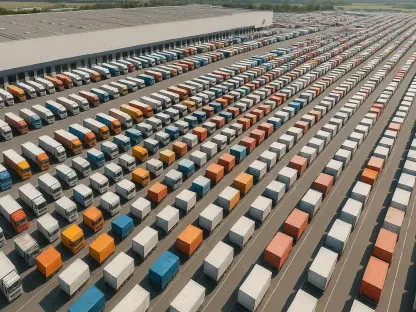

The global supply chain landscape has shifted dramatically as consumer expectations for lightning-fast delivery continue to redefine the competitive boundaries of the international e-commerce market. To remain relevant in this high-velocity environment, Dropship China Pro has recently completed a significant expansion of its domestic warehouse footprint within the United States. This strategic move aims to eliminate the traditional delays associated with transpacific shipping, which often served as a primary hurdle for small and medium-sized businesses trying to scale their operations. By establishing more robust logistical hubs on American soil, the company effectively bridges the gap between manufacturing centers in Asia and the end consumer in North America. This infrastructure development is not merely an addition of floor space but a sophisticated realignment of distribution logic intended to support the surging demand for two-day and three-day shipping windows that have become the industry standard. This transition from 2026 into 2027 represents a pivotal moment for global logistics providers.
Strategic Expansion: Strengthening Localized Logistics Infrastructure
The strategic placement of these new facilities focuses on high-density metropolitan areas and logistical nerve centers that allow for immediate access to major courier networks. By increasing the number of fulfillment centers in states like California, Texas, and New Jersey, the organization ensures that inventory is geographically closer to a larger percentage of the American population. This expansion enables a decentralized inventory model where products are pre-staged based on regional demand forecasts, rather than being stored in a single central location. Such a localized approach minimizes the transit time required for the final leg of the journey, effectively neutralizing the unpredictability of international freight. Merchants using these services now have the ability to synchronize their stock levels across multiple points of presence, which reduces the risk of regional stockouts. This physical growth represents a proactive response to the evolving needs of digital storefronts seeking reliability and speed in a crowded marketplace.
Transitioning from a direct-from-China model to a domestic fulfillment strategy provides an immediate uplift in customer satisfaction scores due to the drastic reduction in lead times. Shipping from within the United States allows for more predictable tracking updates and simplifies the returns process, which is often a significant pain point for dropshipping entrepreneurs. When items are dispatched from local warehouses, the associated shipping costs are frequently lower than express international airmail, providing businesses with a healthier margin to reinvest in marketing or product development. Moreover, this shift addresses the psychological barrier many consumers feel when they see long estimated delivery dates, thereby increasing conversion rates at the point of sale. The ability to offer branded packaging and consistent delivery experiences further strengthens the identity of independent labels. Consequently, the operational burden on individual sellers decreases as the logistical provider takes on the complexity of multi-site management.
Technological Integration: Leveraging Smart Systems for Scale
Beyond the physical expansion of warehouse walls, the integration of advanced warehouse management systems and automated sorting technology has transformed how orders are processed. These facilities utilize real-time data synchronization between the online storefronts and the fulfillment floor, ensuring that every order is picked and packed within minutes of being placed. Predictive analytics tools now analyze historical purchasing patterns to suggest optimal inventory replenishment cycles, preventing the overstocking of slow-moving items. This technological layer allows the company to handle peak season surges, such as those seen during major holiday sales events, without the traditional bottlenecks that plague manual operations. Robotics and automated guided vehicles within the facilities have increased picking accuracy to near-perfect levels, which significantly lowers the incidence of shipping errors and expensive reshipments. This investment in digital infrastructure complements the physical expansion, creating a seamless end-to-end workflow for modern retail.
The successful rollout of these expanded facilities provided a blueprint for how cross-border trade evolved to meet local expectations throughout the mid-2020s. Retailers who migrated their high-volume stock to these American hubs observed a marked improvement in their operational resilience and brand loyalty. It was essential for decision-makers to audit their current delivery timelines to identify where international transit was causing customer churn. The findings suggested that transitioning to domestic fulfillment solutions was the most effective way to maintain a competitive edge. This shift required a fundamental rethink of inventory capital, but the result was a more agile, decentralized logistics framework that prepared businesses for future fluctuations. Merchants discovered that utilizing these localized nodes mitigated global transit risks while establishing a new benchmark for fulfillment efficiency. This progression from 2026 to 2027 defined the industry standard, proving that speed was no longer a luxury but a requirement for sustainable growth.